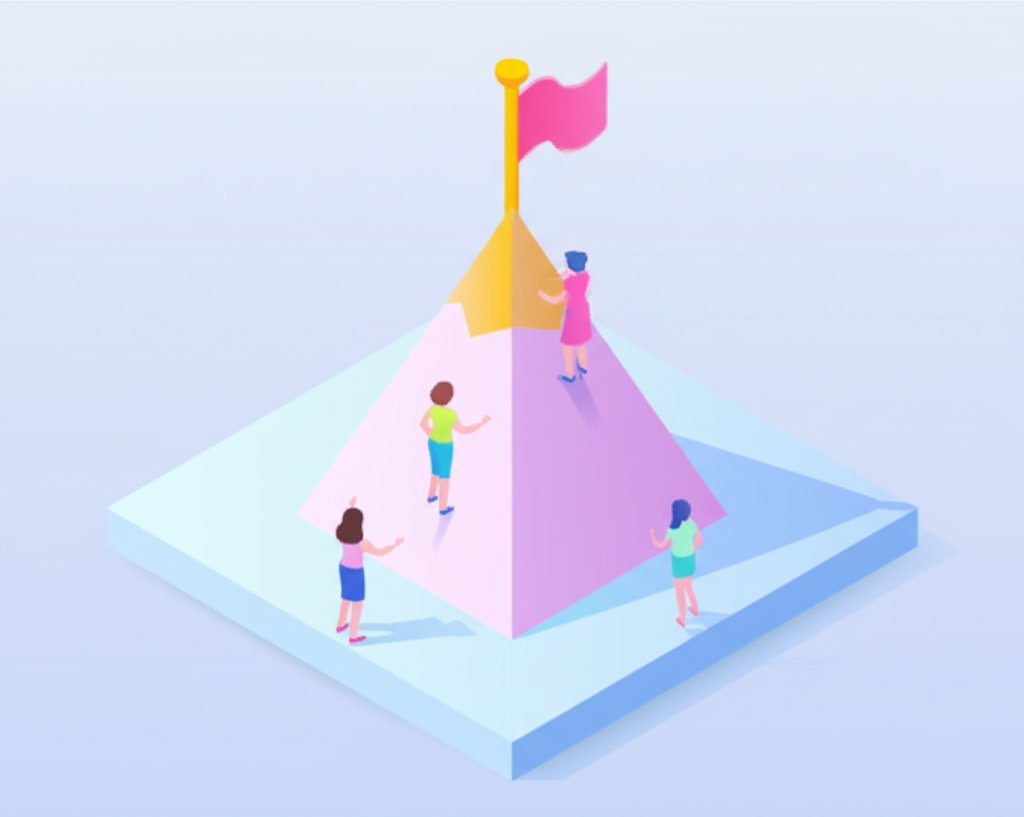
Every girl embarks on a unique and extraordinary adventure – a girls’ journey filled with incredible potential, profound growth, and the relentless pursuit of dreams. From the earliest days of childhood to the cusp of womanhood, girls navigate a complex world, often confronting societal expectations and systemic barriers. Yet, within these narratives of struggle and aspiration, lies an unyielding spirit that powers remarkable triumphs and challenges, propelling them forward. This article delves deep into the multifaceted experiences of girls worldwide, shining a light on their indomitable resilience, celebrating their achievements, and critically examining the ongoing quest for equality for girls in every sphere of life.
We will explore how essential aspects like girls in sports contribute not just to physical well-being, but also to mental fortitude and leadership development. We’ll trace the milestones of girls’ progress in education, health, and societal influence, acknowledging both the strides made and the significant work that remains. Prepare to be inspired by stories of courage, innovation, and unwavering determination as we uncover what it truly means to defy odds and claim triumphs in a world still learning to fully embrace the power of girlhood.
The Evolving Landscape of the Girls' Journey Today
The contemporary girls’ journey is a dynamic tapestry woven with threads of tradition, innovation, and constant transformation. Girls today grow up in an interconnected world, exposed to both unprecedented opportunities and unique pressures. Understanding this landscape is crucial to appreciating the full scope of their experiences.
Navigating Societal Expectations and Stereotypes
From a young age, girls often encounter a myriad of societal expectations and stereotypes that can shape their perceptions of self and limit their potential. These can range from subtle biases in media representation to explicit cultural norms dictating roles and behaviors. Girls may feel pressured to conform to specific appearances, adopt certain personality traits, or pursue particular career paths, all of which can stifle their individuality. The ongoing fight against gender stereotypes is pivotal to allowing every girl to forge an authentic path. This involves challenging the traditional “pink aisle” mentality, promoting diverse role models, and encouraging critical thinking about the messages consumed daily. Breaking free from these molds is a significant part of the personal girls’ journey, allowing them to define success on their own terms.
The Power of Identity and Self-Discovery
Amidst external pressures, a vital part of the girls’ journey is the inherent drive for identity formation and self-discovery. This internal quest allows girls to cultivate their unique voices, passions, and strengths. It’s a process of learning to trust one’s instincts, celebrate one’s individuality, and build unwavering self-confidence. Empowerment stems not just from external opportunities but also from this inner journey of understanding who they are and what they stand for. Supporting this exploration through mentorship, creative outlets, and safe spaces where girls can express themselves freely is paramount. When girls feel empowered to embrace their true selves, they become formidable agents of change, ready to tackle future triumphs and challenges.
Beyond societal pressures, it’s fascinating to consider the emotional landscape of adolescence, and exploring interesting facts can reveal nuances in how girls navigate their relationships and understanding of love.
Unpacking the Triumphs and Challenges That Define Girlhood

Girlhood is an intricate dance between soaring achievements and formidable obstacles. The triumphs and challenges encountered by girls are diverse, colored by geography, socio-economic status, and cultural context, yet universal in their impact on development and personal growth.
Breaking Barriers in Education and STEAM
Historically, girls faced significant barriers to accessing education, particularly in fields like Science, Technology, Engineering, Arts, and Mathematics (STEAM). While remarkable progress has been made, and more girls are being educated today than ever before, disparities persist. The triumph lies in the increasing enrollment and achievement of girls in schools globally, demonstrating their intellectual prowess and ambition. However, challenges like inadequate resources, gender-biased teaching materials, and cultural pressures discouraging certain academic pursuits remain. Empowering girls in STEAM is not just about equal opportunity; it’s about unlocking innovative minds that can solve the world’s most pressing problems. Initiatives that provide access, mentorship, and encouragement in these fields are crucial for fostering a generation of female leaders and innovators.
Mental Health and Well-being: A Modern Challenge
The modern girls’ journey often includes unprecedented mental health challenges. Pressures from social media, academic expectations, peer relationships, and global uncertainties can contribute to increased rates of anxiety, depression, and body image issues. The triumph here is the growing awareness and destigmatization of mental health discussions, enabling more girls to seek support. Yet, access to adequate mental health resources, culturally sensitive care, and supportive environments remains a significant challenge. Fostering resilience, promoting digital literacy, and ensuring accessible mental health services are critical components of safeguarding girls’ well-being as they navigate their formative years.
Financial Literacy and Economic Empowerment
Economic empowerment is a key facet of long-term girls’ progress and equality for girls. A significant triumph is the increasing participation of women in the workforce and their growing economic independence. However, girls still face challenges such as wage gaps, limited access to financial education, and barriers to entrepreneurship. Equipping girls with financial literacy skills from a young age – including budgeting, saving, and understanding investments – provides them with foundational tools for future independence. Economic empowerment offers girls the freedom to make choices about their lives, their education, and their futures, moving beyond societal constraints and contributing to the economic vitality of their communities.
The Transformative Impact of Girls in Sports
For countless girls, participation in sports is not just a pastime; it’s a powerful crucible that forges character, builds confidence, and shatters expectations. The arena of girls in sports offers a unique pathway to personal development and collective triumph.
Building Resilience and Leadership Skills on the Field
Sports are an unparalleled classroom for life skills. When girls in sports experience wins and losses, they learn resilience—the ability to bounce back from setbacks. The need for teamwork teaches collaboration and communication, while the demands of competition foster perseverance and a strong work ethic. These experiences cultivate leadership skills, whether it’s captaining a team, motivating teammates, or making quick decisions under pressure. Studies consistently show that girls who participate in sports report higher levels of confidence, self-esteem, and psychological well-being. They learn to set goals, overcome obstacles, and understand that success often comes after many attempts, embracing failure as a stepping stone rather than a roadblock.
Overcoming Funding Disparities and Media Representation
Despite the immense benefits, girls in sports still grapple with significant challenges, as highlighted by reports like the Women’s Sports Foundation’s “Chasing Equity.” These challenges include a persistent lack of funding and resources for women’s sports programs compared to their male counterparts. This often translates to fewer opportunities, lower quality facilities, and less access to coaching. Furthermore, unequal media coverage and recognition contribute to a perception that women’s sports are less important or exciting. The triumph here is the growing advocacy for equitable investment and the increasing visibility of female athletes. Trailblazers like Megan Rapinoe, Serena Williams, and Simone Biles have amplified calls for fair play, driving a shift in public perception and inspiring a new generation. Social media and dedicated platforms are now also playing a crucial role in bringing women’s sports directly to fans, bypassing traditional media gatekeepers.
Inspiring Future Generations Through Athletic Excellence
The achievements of girls in sports extend far beyond the playing field. Elite female athletes serve as powerful role models, demonstrating strength, determination, and grace. Icons like Caitlin Clark, Sha’Carri Richardson, and others who dominate their respective sports inspire millions of girls to pursue their passions, whether in athletics or other fields. Their victories belong to all of us, reminding girls that boundaries are meant to be pushed and ceilings are meant to be shattered. By seeing women excel at the highest levels, young girls can envision themselves achieving greatness, not just in sports, but in any endeavor they choose. This inspiration is a vital catalyst for the broader girls’ progress movement.
Accelerating Girls' Progress Across Key Global Indicators
The narrative of girls’ progress is one of significant advancement, yet it is also a stark reminder of persistent inequalities. While much has been achieved, the journey towards full equity is ongoing and requires sustained global effort.
Education as a Foundation for Future Success
As emphasized by UNICEF, Plan International, and UN Women, investment in girls’ education yields one of the highest returns. Educated girls are healthier, more likely to participate in the workforce, earn more, and provide better care and education for their own children. This creates a powerful multiplier effect, uplifting entire communities and nations. Despite a 39% decrease in out-of-school girls over the last 20 years, 122 million girls globally still lack access to education. Adolescent girls aged 15-19 in South Asia, for example, are three times more likely than boys to be out of school, employment, or training. Accelerating girls’ progress fundamentally depends on ensuring every girl has access to quality, uninterrupted education from early childhood through higher learning.
Health, Safety, and Protection from Harm
The physical and emotional well-being of girls is paramount to their progress. While advancements in healthcare have improved outcomes, girls worldwide still face dire challenges related to health and safety. These include adolescent pregnancies, lack of access to reproductive health services, malnutrition, and disproportionate exposure to harmful practices such as child marriage, female genital mutilation (FGM), and various forms of violence and abuse. Protecting girls from these threats is essential for their development, allowing them to thrive and contribute meaningfully to society. Ensuring comprehensive health services, strong legal protections, and community-led initiatives against harmful practices are critical for securing the safety and dignity of girls.
Adolescent Girls as Agents of Change
Far from being passive recipients of aid, adolescent girls are powerful agents of change. With the right support, they can be transformative forces in achieving the Sustainable Development Goals and reshaping the future of our world. Their unique perspectives, resilience, and inherent leadership qualities equip them to drive positive change in their families, schools, and broader communities. By investing in their education, skills, and protection, we unlock their potential to innovate, lead, and advocate for a more just and equitable world. Recognizing and valuing their agency is key to accelerating girls’ progress on a global scale.
Championing Equality for Girls: A Collective Endeavor
The ultimate goal of the girls’ journey is to achieve full equality for girls – a world where every girl has the same rights, opportunities, and respect as her male counterparts. This is not merely a matter of fairness but a fundamental prerequisite for a thriving society.
Advocating for Equal Opportunities and Rights
Achieving equality for girls requires vigorous advocacy and the implementation of policies that guarantee equal opportunities in education, employment, leadership, and all aspects of life. This includes addressing systemic biases that limit girls’ access to resources or decision-making roles. Advocacy also extends to challenging legal frameworks and cultural norms that perpetuate discrimination. Whether it’s advocating for equal pay, comprehensive sex education, or representation in political office, the call for equal rights resonates globally. Just as the Women’s Sports Foundation emphasizes treating female athletes with the same professionalism as males, this principle must extend to all professions and aspects of societal engagement, ensuring girls have a fair chance to succeed.
Challenging Systemic Biases and Discrimination
Systemic biases and discrimination often create invisible barriers that hinder girls’ progress. These can manifest as microaggressions, implicit biases in hiring or educational settings, or explicit discrimination based on gender, race, ethnicity, or socio-economic status. The original article’s mention of challenges faced by girls of African descent specifically highlights how intersectional identities can compound discrimination. Championing equality for girls means actively confronting and dismantling these entrenched systems. This requires ongoing education, critical self-reflection, and implementing diversity and inclusion initiatives that address the unique challenges faced by marginalized girls. Creating truly equitable environments demands a proactive approach to identify and rectify biases wherever they exist.
The Role of Mentorship and Support Networks
No girl’s journey is undertaken in isolation. Strong mentorship and robust support networks are indispensable for fostering equality for girls. Mentors (both male and female) can provide guidance, open doors, and serve as role models, helping girls navigate complex challenges and envision ambitious futures. Support networks – including family, friends, educators, and community organizations – offer encouragement, resources, and a sense of belonging. Tips for building strong networks include:
These connections are vital for building confidence and resilience, empowering girls to claim their place in the world.
Conclusion: Empowering Every Girl, Every Step of the Way
The girls’ journey is a testament to unwavering strength, ceaseless ambition, and the profound capacity for change. From navigating the complexities of identity to shattering glass ceilings in sports and academia, girls worldwide are continually defining what it means to defy odds and claim triumphs. We have explored the intricate web of triumphs and challenges that shape their experiences, highlighting the indispensable role of girls in sports in fostering resilience and leadership.
Crucially, the remarkable strides in girls’ progress serve as a powerful reminder of what is possible when we invest in their potential. Yet, the work is far from over. The pursuit of full equality for girls remains a collective global endeavor, demanding continued advocacy, systemic change, and unwavering support for every girl, in every community. By recognizing their unique journeys, celebrating their achievements, and actively dismantling barriers, we empower girls not only to achieve their full potential but to lead us all toward a brighter, more equitable future. Let us stand with them, cheer them on, and champion their rightful place as leaders and innovators of tomorrow.
FAQ
Q: What are the biggest challenges girls face today?
A: Girls today face a range of challenges, including societal expectations and stereotypes, mental health pressures (such as anxiety and body image issues), disparities in educational and career opportunities (especially in STEAM fields), lack of financial literacy, and in many regions, threats to their health, safety, and protection from practices like child marriage and violence.
Q: How do sports empower girls?
A: Girls in sports gain numerous benefits, including enhanced self-confidence, improved physical and mental health,
development of leadership and teamwork skills, greater academic achievement, and resilience. Sports teach girls to overcome obstacles, embrace perseverance, and develop a strong sense of self and capability, effectively challenging traditional gender norms.
Q: What does “girls’ progress” mean in a global context?
A: “Girls’ progress” refers to advancements in various indicators that improve girls’ lives globally. This includes increased access to quality education, better health outcomes, greater protection from violence and harmful practices, improved economic opportunities, and enhanced participation in decision-making processes. Despite significant gains, progress is uneven, and millions of girls still face substantial barriers.
Q: How can we promote equality for girls in our communities?
A: Promoting equality for girls involves several key actions: challenging gender stereotypes, advocating for equitable policies and laws, ensuring equal access to education and resources, supporting girls’ participation in sports and STEAM fields, providing mentorship opportunities, fostering safe and inclusive environments, and addressing systemic biases that limit their potential.
Q: What impact do stereotypes have on a girl’s journey?
A: Stereotypes can significantly impact a girls’ journey by limiting their aspirations, influencing their choices, and undermining their self-esteem. They can discourage girls from pursuing certain academic subjects, career paths, or even sports, reinforcing harmful societal norms. Breaking down these stereotypes is crucial for allowing girls to explore their full potential without predefined constraints.










