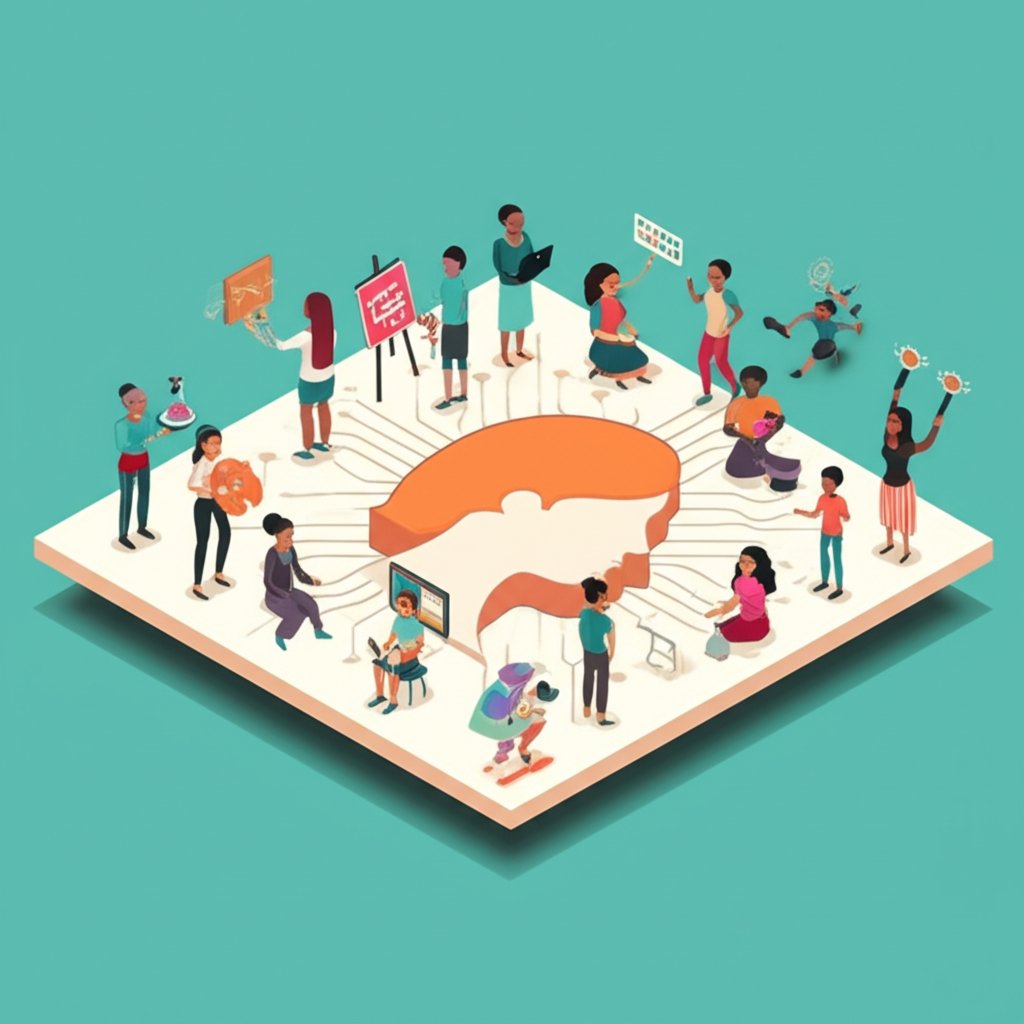
In a world brimming with unique narratives, the intricate and profound tapestry of girlhood often remains underexplored. It’s time to pull back the curtain and truly understand the multifaceted female experience, delving deep into the rich, complex, and vibrant girls experiences that shape lives across the globe. This journey isn’t just about acknowledging differences; it’s about celebrating the diverse experiences of girls, amplifying their distinct girls voices, and recognizing the pervasive influence of the intersectionality of gender. Prepare for an eye-opening odyssey that will not only illuminate individual stories but also inspire collective action to foster a more inclusive and equitable world where every girl can flourish.
Understanding the Tapestry of Girls’ Experiences
The concept of “girlhood” is anything but monolithic. It’s a dynamic, ever-evolving phase of life shaped by myriad internal and external factors. To genuinely appreciate the diverse experiences of girls, we must first broaden our understanding of what defines the female experience in their formative years.
Defining the Modern Female Experience
The modern female experience for girls is a confluence of traditional expectations, evolving societal roles, and rapid global changes. It encompasses everything from the joys of friendship and discovery to the significant pressures of academic success, social media scrutiny, and navigating complex identity development. Unlike previous generations, today’s girls are coming of age in an interconnected world where local realities often intertwine with global trends, creating a unique set of challenges and opportunities. This requires moving beyond simplistic definitions and embracing the full spectrum of their lived realities.
While exploring the multifaceted nature of girlhood, it’s also interesting to consider some unique perspectives on girls and love, especially when understanding their relationships with family and friends.
The Spectrum of Girlhood: Beyond Stereotypes
Stereotypes often paint a narrow picture of what it means to be a girl, often focusing on superficial traits or limiting aspirations. However, real girls experiences defy these reductive images. Girlhood is a rich spectrum that embraces:
- Academic Pursuits: From excelling in traditional subjects to pioneering in STEM fields, girls are achieving unprecedented academic milestones.
- Artistic Expression: Through music, art, dance, and writing, girls are finding powerful avenues to articulate their inner worlds and perspectives.
- Athletic Prowess: Breaking barriers in sports, girls are demonstrating strength, teamwork, and leadership, challenging gender norms in physical arenas.
- Social Activism: Many girls are at the forefront of social justice movements, advocating for climate action, human rights, and gender equality, demonstrating acute awareness and fierce determination.
Recognizing this vast range of pursuits and identities is the first step toward understanding the true depth of diverse experiences of girls.
Global Perspectives on Girls’ Realities
The lives of girls are profoundly shaped by their geographical, cultural, and socio-economic contexts. A girl growing up in a rural village in a developing country will have starkly different girls experiences from one in an urban setting in the developed world.
- Access to Education: For many, education remains a privilege, not a right. Girls in conflict zones or impoverished communities often face significant barriers, including early marriage, lack of resources, and cultural norms that prioritize boys’ education.
- Health and Safety: Issues like female genital mutilation (FGM), child marriage, and gender-based violence are grim realities for millions of girls, severely impacting their health, autonomy, and future prospects. In contrast, girls in other regions may grapple with mental health crises, body image issues, and online harassment.
- Economic Opportunities: From contributing to household income through informal labor to aspiring to leadership roles in global corporations, girls’ economic trajectories are immensely varied and often dictated by systemic factors.
- Cultural Identity: Traditions, religious practices, and family structures play a crucial role in shaping a girl’s sense of self and community, influencing everything from dress codes to career choices and social interactions.
These examples underscore that the female experience is not universal but deeply contextual, demanding an approach that acknowledges and respects these global variances.
The Indispensable Role of Intersectionality in Girlhood
To truly comprehend the diverse experiences of girls, we must adopt an intersectional lens. The intersectionality of gender is not merely an academic concept; it’s a lived reality that profoundly shapes opportunities, challenges, and individual identities.
Demystifying the Intersectionality of Gender
First coined by legal scholar Kimberlé Crenshaw, intersectionality describes how various social and political identities (such as race, class, ethnicity, religion, sexual orientation, disability, and immigration status) combine to create unique modes of discrimination and privilege. For girls, this means that simply being “female” does not tell the whole story. A Black girl’s experience, for example, is not merely the sum of being Black and being a girl; it’s a distinct experience shaped by the intersection of racism and sexism.
This framework is crucial because it highlights how different forms of oppression or advantage can amplify or mitigate each other, leading to vastly different girls experiences even within the same gender. Without understanding the intersectionality of gender, efforts to support girls often fall short, benefiting only a privileged few while leaving others behind.
How Intersecting Identities Shape Girls’ Journeys
The ways in which identities intersect determine a girl’s access to resources, her safety, her sense of belonging, and her very self-perception:
- Race and Ethnicity: Girls of color often navigate racial bias in educational settings, media representation, and everyday interactions, in addition to gender bias. Indigenous girls, for instance, may face challenges related to cultural erasure and systemic discrimination that are unique to their heritage.
- Socioeconomic Status: Girls from low-income households may face barriers to education, healthcare, and digital access, irrespective of their country. These economic constraints can force difficult choices that impact their long-term development.
- Disability: Girls with disabilities frequently encounter ableism, lacking accessible infrastructure or educational support, which can isolate them and limit their participation in society. Their female experience is uniquely shaped by both gender and disability.
- Sexual Orientation and Gender Identity: LGBTQ+ girls and gender-diverse youth often confront discrimination, bullying, and lack of acceptance within their families, schools, and communities. This minority stress can significantly impact their mental health and educational outcomes, highlighting a critical dimension of the intersectionality of gender.
- Geographic Location: Rural girls may face limited access to specialized education or healthcare, while urban girls might contend with unique pressures from dense populations and fast-paced environments. Refugee girls face displacement, trauma, and challenges integrating into new cultures, which adds layers of complexity to their development.
These intersections mean that the diverse experiences of girls are exponentially varied, defying any single solution or blanket approach to empowerment.
Addressing Unique Challenges Through an Intersectional Lens
Effective solutions for girl empowerment must be intersectional. This means:
- Disaggregated Data: Collecting data that categorizes girls not just by gender, but by race, ethnicity, socioeconomic status, and other factors, helps reveal specific disparities.
- Targeted Programs: Designing interventions that specifically address the unique needs of marginalized groups of girls, rather than generic “girls’ programs.” For example, a program for Indigenous girls might focus on cultural preservation and leadership within their community.
- Inclusive Policies: Crafting policies that consider how different groups of girls are affected, ensuring that protections and opportunities reach those most at risk.
- Community-Led Initiatives: Supporting organizations within marginalized communities that are already working to empower girls, as they often have the deepest understanding of local needs and specific intersectional challenges.
Understanding and actively applying the intersectionality of gender is not just an act of empathy, but a strategic necessity for achieving genuine equity for all girls.
Amplifying Girls’ Voices: From Whispers to Roars
At the heart of unveiling the diverse experiences of girls lies the fundamental imperative to listen to and amplify their girls voices. When girls speak, they provide invaluable insights into their worlds, challenges, and aspirations, which are essential for creating truly supportive environments.
Why Girls’ Voices Matter: Impact on Policy and Society
The absence of girls voices in decision-making processes leads to policies and programs that are ill-suited to their needs. When girls are heard:
- Policies Become More Effective: Direct input from girls can illuminate overlooked issues, such as specific safety concerns in schools, barriers to menstrual hygiene, or the impact of digital media on their mental health. This leads to more responsive and effective policies.
- Societal Norms Evolve: Hearing girls’ perspectives can challenge entrenched gender norms and cultural practices that limit their potential. When girls articulate their desires for education, careers, or bodily autonomy, it can shift broader societal conversations.
- Empowerment is Internalized: The act of speaking out, being listened to, and seeing their words lead to change is profoundly empowering for girls. It builds confidence, leadership skills, and a sense of agency that lasts a lifetime.
- Innovation Flourishes: Girls bring fresh perspectives and creative solutions to global challenges, from climate change to social justice. Their unique insights are a powerful engine for innovation.
Amplifying girls voices is not just a moral imperative but a pragmatic necessity for building a more just and progressive society.
Barriers to Vocalizing Experiences
Despite the clear benefits, numerous obstacles prevent girls voices from being heard:
- Restrictive Gender Norms: In many cultures, girls are taught to be silent, obedient, or to prioritize others’ needs over their own expression. This can lead to self-censorship and a belief that their opinions don’t matter.
- Fear of Retaliation: Girls who speak out against injustice, abuse, or traditional expectations may face backlash, punishment, or social ostracization.
- Lack of Platforms: There are often limited safe and accessible spaces for girls to express themselves, especially for those from marginalized or rural communities.
- Adult Skepticism: Adults may dismiss girls’ concerns as “childish” or “dramatic,” inadvertently silencing their legitimate experiences and feelings.
- Digital Divide: While the internet offers new platforms, the gender digital divide can prevent many girls from accessing these tools, further marginalizing their online presence. Online harassment and cyberbullying can also deter girls from sharing their female experience digitally.
These barriers underscore the need for intentional and sustained efforts to create environments where girls feel safe and encouraged to share.
Strategies for Empowering Girls to Speak Out
To overcome these barriers and truly amplify girls voices, we must implement multi-pronged strategies:
- Creating Safe Spaces: Establish clubs, mentorship programs, and community centers where girls can openly discuss their thoughts and feelings without fear of judgment.
- Media Representation: Advocate for diverse and authentic portrayals of girls in media, showing them as strong, intelligent, and vocal, which can inspire others to speak out.
- Educational Curriculum: Incorporate curricula that teach critical thinking, media literacy, and self-advocacy, empowering girls with the skills to articulate their views effectively.
- Digital Literacy and Access: Bridge the digital divide by providing girls with access to technology and training in digital citizenship, enabling them to use online platforms safely and effectively to share their girls experiences.
- Mentorship and Role Models: Connect girls with inspiring female leaders and mentors who can encourage them, share their own experiences, and guide them in finding their voice.
- Policy Advocacy: Support organizations that advocate for girls’ rights at local, national, and international levels, ensuring that girls voices directly inform policy changes.
By actively engaging in these strategies, we can transform mere whispers into powerful roars, ensuring that the diverse experiences of girls are not only heard but also acted upon.
Navigating Key Dimensions of Diverse Female Experiences
The female experience is profoundly shaped across various critical life dimensions. Understanding these specific areas allows for more targeted support and interventions for girls experiences.
Education: A Double-Edged Sword
Education is often heralded as the greatest equalizer, yet for many girls, its path is fraught with unique challenges:
- Persistent Barriers to Access: Globally, millions of girls are still out of school due to poverty, conflict, early marriage, and discriminatory cultural norms.
- Gender Bias in Curriculum and Teaching: Even when in school, girls may face subtle or overt biases that steer them away from certain subjects (like STEM) or limit their leadership opportunities. Textbooks might lack female perspectives or reinforce stereotypes.
- Safety and Harassment: School environments can be unsafe, with girls experiencing harassment, violence, or inadequate facilities (e.g., lack of separate latrines), leading to absenteeism or dropout.
- Empowerment Through Learning: Conversely, for girls who do access quality education, it is transformative. It unlocks critical thinking, fosters independence, and equips them with skills to pursue their aspirations, becoming a cornerstone of their diverse experiences of girls.
Health and Well-being: Beyond the Physical
Girls’ health goes far beyond physical well-being, encompassing mental, emotional, and reproductive health:
- Mental Health Crises: Adolescence is a vulnerable time, and girls disproportionately experience mental health challenges such as anxiety, depression, and eating disorders, often exacerbated by societal pressures, social media, and body image issues.
- Reproductive Health Rights: Access to accurate information and services regarding puberty, menstruation, and sexual health is critical. Lack of this can lead to health complications, early pregnancies, and limited life choices.
- Nutrition and Food Security: Girls in disadvantaged communities are often the first to suffer from malnutrition, impacting their physical and cognitive development.
- Protection from Harmful Practices: Battling against practices like FGM, child marriage, and gender-based violence is a persistent health and safety challenge for millions, directly impacting their physical and psychological integrity.
Addressing these holistic health needs is paramount to fostering positive girls experiences.
Digital Landscapes: Opportunities and Threats
The digital world presents both immense opportunities and significant risks for girls:
- Access to Information and Learning: The internet can be a powerful tool for learning, connecting with peers globally, and accessing information that might otherwise be unavailable. It allows girls voices to reach wider audiences.
- Digital Skills for Future Careers: Proficiency in digital technology is increasingly vital for future employment. Empowering girls with these skills is crucial for bridging the gender digital divide and unlocking economic potential.
- Online Harassment and Exploitation: Unfortunately, girls are often targets of cyberbullying, online harassment, and exploitation, which can severely impact their mental health and sense of safety.
- Misinformation and Body Image: Exposure to curated, often unrealistic, online content can negatively affect girls’ self-esteem and body image, contributing to mental health struggles.
Ensuring safe and equitable digital access and literacy is a pressing component of supporting diverse experiences of girls.
Economic Empowerment and Future Aspirations
The economic pathways available to girls are critical to their long-term independence and societal contribution:
- Breaking Economic Barriers: Girls often face systemic barriers to economic participation, from limited access to financial literacy and entrepreneurship training to discriminatory employment practices.
- STEM and Beyond: While there’s a push for girls in STEM, empowering them to pursue any field they choose – be it arts, humanities, trades, or entrepreneurship – is vital. Their aspirations should not be limited by gendered expectations.
- Financial Literacy: Teaching girls financial literacy from a young age can equip them with the tools to manage money, make informed decisions, and secure their economic future.
- Mentorship in Careers: Connecting girls with mentors in various professions can demystify career paths, provide guidance, and build confidence, shaping their professional female experience.
Environmental Justice: Girls at the Forefront
Climate change is not gender-neutral; it disproportionately affects girls, especially those in vulnerable communities:
- Increased Vulnerability: Girls are often the first to be displaced by climate disasters, face increased burdens in fetching water or fuel, and are more susceptible to climate-related health issues.
- Impact on Education: Climate emergencies disrupt schooling, further marginalizing girls who already face educational barriers.
- Agents of Change: Despite being disproportionately affected, girls are also powerful agents of change. Empowering them with knowledge and platforms allows them to lead climate action and advocate for sustainable futures, adding a critical dimension to the diverse experiences of girls.
Recognizing these interconnected dimensions allows for a holistic approach to understanding and supporting the diverse experiences of girls.
Fostering a World Where Every Girl Thrives
The ultimate goal of unveiling girls voices and understanding their diverse experiences of girls is to build a world where every girl has the opportunity to thrive. This requires collective effort, empathy, and a commitment to systemic change.
The Role of Community and Mentorship
No girl exists in a vacuum. Strong communities and meaningful mentorship are cornerstones of empowerment:
- Support Networks: Families, schools, and community organizations play a vital role in creating nurturing environments where girls feel safe, valued, and understood.
- Mentorship Programs: Connecting girls with positive role models – women who have overcome challenges and achieved success – provides invaluable guidance, inspiration, and practical advice. These mentors can share their own female experience, empowering younger girls.
- Peer Support: Facilitating peer-to-peer relationships helps girls build solidarity, share their girls experiences, and collectively navigate the challenges of adolescence.
Advocating for Systemic Change
Individual efforts must be complemented by broader systemic changes to dismantle barriers and create equitable opportunities:
- Policy Reform: Advocate for legislation that protects girls’ rights, ensures access to education and healthcare, and combats gender-based violence. This includes policies that explicitly address the intersectionality of gender.
- Gender-Responsive Budgeting: Ensure that national and local budgets allocate sufficient resources to programs and initiatives that specifically benefit girls and address their unique needs.
- Challenging Harmful Norms: Actively work to dismantle restrictive gender norms and stereotypes through public awareness campaigns, education, and media representation.
- Investing in Girl-Led Initiatives: Support and fund organizations and movements led by girls themselves, recognizing their capacity for leadership and innovation.
Celebrating Resilience and Potential
Throughout history and across cultures, girls have demonstrated incredible resilience, adaptability, and an unwavering spirit.
- Highlighting Achievements: Actively celebrating the academic, athletic, artistic, and social achievements of girls, big and small, provides positive affirmation and inspires others.
- Recognizing Inner Strength: Acknowledge and commend girls’ ability to navigate adversity, overcome challenges, and emerge stronger, reinforcing their inherent power.
- Believing in Unlimited Potential: Foster an environment where girls believe in their own capabilities and are encouraged to dream without limits, knowing that their diverse experiences of girls are a source of strength.
By embracing these strategies, we can move from merely acknowledging the diverse experiences of girls to actively shaping a future where their female experience is one of opportunity, equity, and boundless potential, with their girls voices echoing powerfully across the globe.
Conclusion
The journey to unveil girls voices and understand the diverse experiences of girls is a continuous, vital endeavor. From the nuances of the female experience to the profound impact of the intersectionality of gender, every girl’s story is a unique thread in the rich tapestry of humanity. By committing to active listening, fostering inclusive environments, and advocating for systemic change, we not only empower individual girls but also enrich our entire society.
Let us stand as allies, mentors, and advocates, ensuring that every girl has the platform, resources, and support to narrate her own story, chart her own course, and contribute her unique brilliance to the world. It’s time to move beyond observation to impactful action, creating a future where all girls experiences are valued, their girls voices are amplified, and their limitless potential is fully realized.
FAQ
Question 1: What does “diverse female experiences” truly encompass?
Answer 1: “Diverse female experiences” encompasses the vast and varied realities of girls and women shaped by a multitude of factors beyond just their gender. This includes their race, ethnicity, socioeconomic status, geographic location, cultural background, sexual orientation, disability, and age. It acknowledges that the female experience is not monolithic but a rich tapestry of unique life journeys, challenges, triumphs, and perspectives, often influenced by the intersectionality of gender with other identities.
Question 2: How does the intersectionality of gender affect girls specifically?
Answer 2: The intersectionality of gender profoundly affects girls by creating unique patterns of privilege or disadvantage based on how their gender intersects with other identities like race, class, disability, or sexual orientation. For example, a girl from a marginalized racial group may face both sexism and racism, leading to distinct challenges in education, healthcare, or social acceptance that neither a white girl nor a boy from her racial group would experience in the same way. This framework helps us understand why girls experiences differ so widely and how to address complex forms of discrimination.
Question 3: Why is it crucial to listen to and amplify girls’ voices?
Answer 3: Amplifying girls voices is crucial because it ensures that their unique perspectives, needs, and concerns are heard and considered in decision-making processes that affect their lives. When girls voices are silenced, policies and programs can fail to address their specific challenges, leading to ineffective solutions. Listening to girls empowers them, builds their confidence, and provides invaluable insights into shaping more equitable societies, innovative solutions, and fostering a sense of belonging and agency from a young age.
Question 4: What are some common challenges girls face globally, and how do they vary with diverse experiences of girls?
Answer 4: Globally, common challenges for girls include gender inequality, limited access to education, child marriage, gender-based violence, mental health issues, and the gender digital divide. However, the intensity and specific manifestation of these challenges vary significantly depending on the diverse experiences of girls. For instance, girls in conflict zones might face higher risks of violence and disrupted education, while girls in affluent regions might struggle more with mental health pressures related to social media and academic expectations. The intersectionality of gender dictates how these global challenges are experienced individually.
Question 5: How can individuals and communities support the empowerment of girls?
Answer 5: Individuals and communities can support the empowerment of girls by:
Question 6: What is the significance of the “female experience” in contemporary society?
Answer 6: The “female experience” in contemporary society is significant because it highlights the ongoing challenges and triumphs associated with gender in a rapidly changing world. It acknowledges that despite progress, women and girls still face unique systemic barriers, biases, and societal expectations. Understanding the female experience means recognizing the historical and current impacts of gender on individual lives, from career opportunities and health outcomes to personal safety and representation. It underscores the continued need for gender equality, advocacy, and celebrating the strength and resilience inherent in the diverse experiences of girls and women worldwide.










