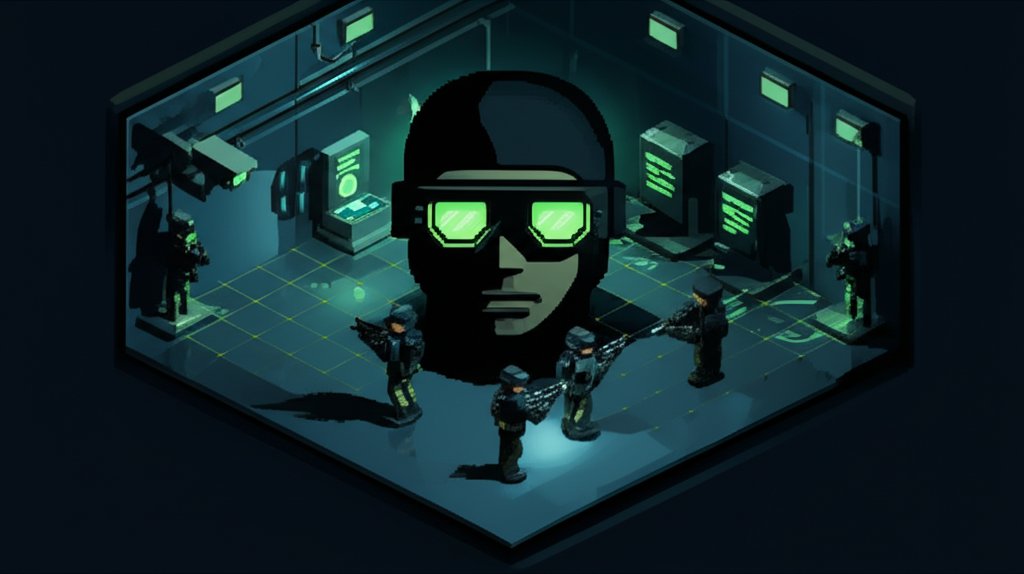
Beyond the headlines and the official reports, a clandestine world operates with silent precision: the realm of commando raid missions. These are not mere skirmishes; they are surgical strikes, executed with breathtaking audacity and meticulous planning, often by unsung heroes whose names remain shrouded in secrecy. From daring wartime sabotage to modern anti-terrorism efforts, covert operations undertaken by elite commandos represent the pinnacle of specialized military operations. This article will pull back the curtain on the intricate commando strategies that define these high-stakes missions, celebrating the extraordinary individuals who execute them and examining their enduring impact on global security.
The Anatomy of a Commando Raid: Precision, Surprise, and High Stakes
To truly appreciate the strategic brilliance behind these operations, it’s worth exploring the leadership of the key military commanders behind daring special operations, who meticulously planned and executed these high-stakes missions.
A commando raid stands apart from conventional warfare. It is a carefully orchestrated act designed to achieve a specific objective, often deep within enemy territory, relying on stealth, speed, and overwhelming force at the point of attack. These missions are characterized by their limited scope, specific targets, and the imperative for rapid infiltration and exfiltration.
Defining the Modern Commando Raid: More Than Just a Military Operation
At its core, a commando raid is a direct action mission—a short, sharp shock designed to neutralize a threat, gather intelligence, or rescue personnel. Unlike broader military operations involving large troop movements and sustained engagements, raids are typically brief, focused, and executed by small, highly trained teams. Their success hinges on surprise, precision, and the ability to adapt to rapidly changing circumstances. The objectives can range from destroying critical infrastructure (like the Raid on St. Nazaire) to eliminating high-value targets (like Operation Neptune Spear) or rescuing hostages (like Operation Entebbe). What unites these diverse missions is the commitment to achieving an asymmetric advantage through specialized tactics.
Historical Roots: Early Covert Operations and the Dawn of Commando Strategies
While the term “commando” gained prominence in the Boer Wars and later with the British forces in World War II, the concept of targeted, small-unit covert operations dates back centuries. Ancient civilizations understood the power of surprise attacks and specialized warrior units. However, it was World War II that truly formalized the doctrine of the commando raid. Operation Collar in 1940 is often cited as one of the earliest known British commando raids, a reconnaissance mission that marked the beginning of bolder incursions. The effectiveness of these early commando strategies quickly became apparent, compelling nations to invest in elite units trained for unconventional warfare. These forces were explicitly designed to operate outside the traditional battlefield, pushing the boundaries of what was considered possible in military operations.
The Unsung Heroes: Forging Elite Commandos for Covert Operations

Behind every successful commando raid are individuals of extraordinary caliber—the unsung heroes who dedicate their lives to mastering the art of clandestine warfare. Their journey begins not just with physical prowess, but with a profound psychological transformation, preparing them for the unparalleled demands of covert operations.
Beyond Grit: The Rigorous Selection and Training of Commando Personnel
Becoming a commando is an arduous journey, designed to weed out all but the most exceptional. Selection processes for units like the British SAS, the US Navy SEALs, or the French Foreign Legion are legendary for their intensity. They encompass far more than physical endurance; candidates are pushed to their mental and emotional breaking points through sleep deprivation, extreme stress, and morally ambiguous scenarios.
- Physical Endurance: Grueling marches, obstacle courses using live explosives (as seen in Royal Marine Commando training), and prolonged periods in harsh environments test the limits of human stamina.
- Mental Fortitude: Candidates undergo extensive psychological evaluations and stress inoculations. They must demonstrate resilience, self-control, and the ability to make rapid, sound decisions under immense pressure.
- Skill Mastery: Beyond basic combat, training covers specialized skills like advanced navigation, demolitions, close-quarters battle (CQB), tactical medicine, precise marksmanship, and a myriad of infiltration techniques (e.g., HALO/HAHO parachuting, underwater operations).
The objective is to cultivate individuals who are not just soldiers, but independent thinkers capable of operating in small teams with minimal supervision, a cornerstone of effective commando strategies.
Cultivating Independent Thought in Commando Strategies
One of the defining traits of an elite commando, highlighted in the study of commando strategies, is the capacity for independent thought. Unlike conventional forces that often emphasize strict adherence to orders, commandos are trained to analyze, adapt, and make critical decisions autonomously on the ground. This is crucial for small units operating deep behind enemy lines, where communication might be compromised, and immediate action is required. This mental agility allows them to exploit fleeting opportunities, overcome unforeseen obstacles, and improvise effectively, often in situations where failure is not an option. Their ability to think on their feet transforms them from mere operators into true architects of their mission’s success, embodying the spirit of unsung heroes who solve complex problems in the deadliest of environments.
Masterminding Success: Advanced Commando Strategies in Action

The execution of a commando raid is a symphony of coordinated elements, each meticulously planned and rehearsed. From the initial intelligence gathering to the final exfiltration, every step reflects sophisticated commando strategies designed to maximize success and minimize risk in critical military operations.
Intelligence Supremacy: The Critical First Phase of Any Commando Raid
The foundation of any successful commando raid is an unparalleled understanding of the target environment. This begins with relentless intelligence gathering and meticulous analysis. Orchestrators identify potential targets, conduct extensive reconnaissance (often using advanced aerial and satellite imagery, human intelligence, and electronic eavesdropping), and build detailed profiles of enemy forces and terrain.
- Target Selection: Identifying high-value objectives that, if neutralized, will have a significant strategic impact.
- Reconnaissance: Deploying specialized sensors, drones, and sometimes human assets to gather real-time data on enemy positions, patrols, security protocols, and environmental factors.
- Threat Assessment: Analyzing potential counter-actions, escape routes, and contingency plans.
This exhaustive preparation allows for the development of precise commando strategies, ensuring every variable is accounted for, and every potential weakness in enemy defenses is identified and exploited. This intelligence-driven approach is paramount for all covert operations.
Flawless Execution: Infiltration, Engagement, and Exfiltration Tactics
The execution phase is where the years of training and meticulous planning converge. It’s a high-wire act where precision and speed are paramount.
- Infiltration: Commandos utilize a myriad of stealth techniques—from advanced covert insertion methods (submarine, silent boat, low-altitude parachute drops, clandestine helicopter approaches) to expert camouflage and movement—to penetrate enemy territory undetected. The goal is to achieve surprise, ensuring the enemy has no time to react.
- Engagement: Once the objective is reached, commandos employ advanced combat tactics and specialized weaponry. This often involves rapid, overwhelming force, designed to neutralize threats quickly and efficiently while minimizing collateral damage. State-of-the-art firearms, night vision technology, and specialized breaching tools are critical.
- Exfiltration: Just as critical as infiltration, a secure and swift extraction is planned to remove the team from enemy territory. This may involve pre-positioned extraction assets, pre-planned rendezvous points, and diversionary tactics. The ability to disappear as quickly as they appeared is a hallmark of successful commando strategies.
The entire operation, from insertion to extraction, demands seamless coordination between the ground team and various support elements, making it a complex dance of military operations.
The Technological Edge: Enhancing Modern Military Operations
Technological advancements have profoundly transformed commando raids, enhancing their effectiveness and expanding their reach. These innovations are integrated into every phase of commando strategies:
- Surveillance & Reconnaissance: Miniaturized drones, high-resolution satellite imagery, and advanced sensor technology provide unprecedented real-time intelligence, refining target selection and allowing for dynamic mission adjustments.
- Communication: Secure, encrypted communication systems ensure command and control, even in hostile environments.
- Weaponry & Equipment: Lighter, more lethal firearms, advanced optics, silent breaching tools, and specialized combat gear provide commandos with a significant tactical advantage.
- Navigation & Precision: GPS, inertial navigation systems, and advanced mapping software enable pinpoint accuracy in infiltration and movement, even in the most challenging terrains.
These technologies fundamentally alter the landscape of military operations, allowing for bolder and more complex covert operations with a higher probability of success, while simultaneously demanding even greater mastery from the unsung heroes who wield them.
Legendary Commando Raids: Case Studies of Valor and Ingenuity
Throughout history, a select few commando raid missions have etched themselves into military lore, serving as powerful examples of courage, strategic brilliance, and the effectiveness of elite units. These military operations showcase the intricate commando strategies employed and the profound impact they can have.
Operation Chariot (St. Nazaire Raid): A Daring Feat of Commando Raids
During World War II, the British Raid on St. Nazaire in March 1942, famously known as Operation Chariot, exemplifies the audacity possible in commando raids. The objective was to deny the German battleship Tirpitz access to the only dry dock on the Atlantic coast large enough to accommodate it. A converted destroyer, HMS Campbeltown, packed with explosives, was ram-jammed into the dry dock gates. British Commandos then landed under heavy fire to destroy critical machinery. Despite incurring heavy casualties (around a quarter of the attacking force killed), the mission was a resounding success. The dry dock was rendered unusable for the remainder of the war, significantly impacting German naval capabilities. This raid is often cited as “the greatest raid of all” for its sheer daring and strategic significance, a testament to the effectiveness of bold commando strategies. The sacrifice of these unsung heroes changed the course of naval warfare.
Operation Entebbe and Operation Neptune Spear: Modern Icons of Covert Operations
Modern covert operations continue to push the boundaries, demonstrating evolving commando strategies:
- Operation Entebbe (1976): This Israeli counter-terrorism commando raid involved flying over 4,000 km to Uganda to rescue hostages held by Palestinian and German terrorists. The mission was executed with astonishing speed and deception, showcasing a masterclass in long-range insertion, tactical surprise, and rapid extraction. The success of Entebbe became a template for future hostage rescue military operations.
- Operation Neptune Spear (2011): The raid that killed Osama bin Laden was a meticulously planned covert operation by US Navy SEALs deep within Pakistan. It epitomized intelligence integration, precision insertion (using stealth helicopters), surgical execution against a high-value target, and rapid exfiltration. The high stakes and global impact cemented its status as one of the most significant commando raids in contemporary history.
These missions highlight the adaptability of commando strategies and the relentless pursuit of objectives, regardless of risk, by the unsung heroes involved.
The Shadow of the Commando Order: Acknowledging the Lethality of Commando Raids
The effectiveness of commando raids was so profound during World War II that it prompted a chilling response from Adolf Hitler. In October 1942, he issued the infamous “Commando Order,” dictating that all captured Allied commandos, regardless of whether they were in uniform or not, were to be executed. This decree, a blatant violation of international law, underscored the serious threat commandos posed to the Axis powers. It also served as a dark acknowledgment of the psychological and strategic impact of covert operations conducted by these elite units. The order came after several successful raids on the Atlantic Wall, highlighting how effectively these military operations disrupted enemy morale and resources. Operations like Aquatint and Musketoon, which resulted in the capture or death of all commandos, sadly fell victim to this brutal policy, further cementing the status of these fallen as true unsung heroes.
The Profound Aftermath: Legacies and Sacrifices of Unsung Heroes
The reverberations of a commando raid extend far beyond the mission’s immediate objective. They leave indelible marks on geopolitics, military doctrine, and most profoundly, on the unsung heroes who undertake them.
Beyond the Mission: Evaluating Impact on Future Military Operations and Strategies
Every commando raid serves as a vital learning experience. Post-mission evaluations are exhaustive, dissecting every aspect from planning to execution. This analysis identifies areas for improvement, refining tactics, equipment, and training protocols. Successes are codified into new commando strategies, while failures, such as those in Operations Aquatint or Musketoon, are studied to prevent future losses. These lessons learned influence the design of future military operations, shaping how nations approach covert operations and special warfare. They drive innovation and ensure that elite forces remain at the cutting edge of military capability.
The Silent Toll: Honoring the Unsung Heroes of Commando Raids
Perhaps the most profound aftermath of a commando raid is the personal toll it exacts on the participants. These individuals endure immense psychological and physical stress, both during and after their missions. The constant exposure to extreme danger, the moral complexities of warfare, and the often-anonymity required for their roles can lead to lasting challenges. Post-traumatic stress, physical injuries, and the struggle to reintegrate into civilian life are sacrifices often borne in silence. Their identities are often protected, their contributions rarely publicly lauded, making them the truest unsung heroes. Their unwavering commitment to national security and the protection of innocent lives comes at a significant, often invisible, cost. Acknowledging their silent service is a crucial part of understanding the true weight of commando raids.
Conclusion
The world of commando raids is one defined by paradox: highly visible impact achieved through nearly invisible means. We have journeyed into the clandestine realm of covert operations, unraveling the intricate commando strategies that empower these elite units to execute surgical strikes with unparalleled precision. From the meticulous planning fueled by intelligence supremacy to the audacious execution and the silent sacrifices, every facet underscores the extraordinary nature of these specialized military operations. Above all, this exploration serves as a tribute to the unsung heroes—the men and women who, operating in the shadows, uphold national security, rescue the imperiled, and protect the vulnerable, their courage and expertise shaping history without seeking recognition.
FAQ: Deep Dive into Commando Raids and Covert Operations
Q1: What defines a successful commando raid, beyond achieving its objective?
A successful commando raid is defined not only by achieving its primary objective but also by minimizing casualties to friendly forces, maintaining secrecy (especially in covert operations), and achieving a strategic impact disproportionate to the resources expended. Efficient exfiltration and the ability to gather valuable intelligence during the mission are also key indicators of success.
Q2: How has technology transformed commando strategies over time?
Technology has revolutionized commando strategies by enhancing intelligence gathering (drones, satellite imagery), improving communication and navigation, providing superior weaponry and specialized gear, and facilitating more precise and stealthy infiltration/exfiltration. These advancements allow for more complex and audacious commando raids with increased effectiveness and reduced risk.
Q3: Why are participants in commando raids often referred to as “unsung heroes”?
Commandos are often called unsung heroes because their missions are typically classified, and their identities, tactics, and personal contributions remain secret to protect operational security and their privacy. They face extreme danger and often suffer significant personal tolls, yet receive little public recognition for their critical service in high-stakes covert operations and military operations.
Q4: What are the primary risks involved in executing these military operations?
The primary risks in commando raids include detection during infiltration or exfiltration, fierce enemy resistance, unforeseen intelligence gaps, adverse environmental conditions, equipment failure, and high casualty rates. The “Commando Order” of WWII also highlighted the risk of execution for captured commandos, emphasizing the extreme danger faced in these military operations.
Q5: How do commando raids influence international relations and geopolitics?
Commando raids can significantly influence international relations by altering geopolitical balances, deterring adversaries, projecting national power, or serving as instruments of diplomacy. Successful covert operations can achieve strategic objectives without escalating to full-scale warfare, while perceived failures or controversial missions can lead to political fallout and diplomatic tensions.
Q6: What is the significance of the “Commando Order” in the history of commando raids?
The German “Commando Order” of 1942 is significant because it starkly highlighted the effectiveness and psychological impact of Allied commando raids during World War II. Hitler’s decree to execute captured commandos, though a war crime, underscored the severe threat these elite units posed to the Axis powers and acknowledged the disruptive power of their commando strategies.










