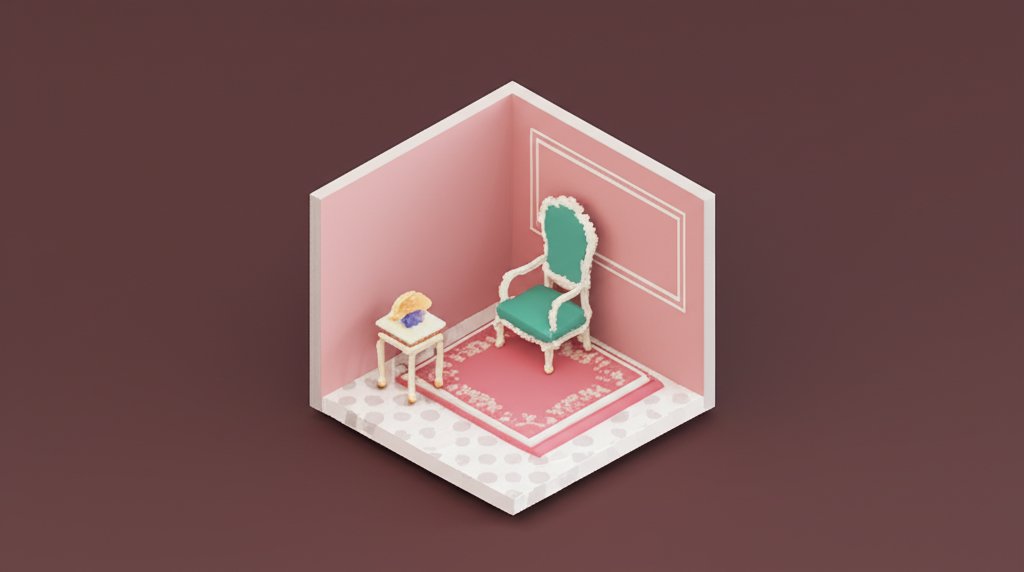
Step back in time to the glittering salons of 18th-century Paris, where wit, intrigue, and societal observation were as finely crafted as the furniture itself. Among the exquisite pieces that adorned these opulent spaces, one design stands out for its unique purpose and elegant form: the voyeuse chair. More than just a seat, this specialized French chair offers an unparalleled glimpse into the sophisticated rituals and hidden social dynamics of the Enlightenment era. As a distinctive piece of 18th century furniture, the voyeuse chair was meticulously designed for the art of spectating – allowing its occupant to observe card games, conversations, and the intricate social ballet of high society without fully participating. Today, it remains a highly coveted antique chair, a testament to an era when even seating had a story to tell, and a functional, albeit specialized, salon chair that continues to fascinate collectors and designers alike.
Join us as we unveil the history, design, and enduring allure of the voyeuse chair, and uncover why it’s poised to dominate discussions around historical furniture and sophisticated interior design.
Just as the voyeuse chair offered a unique perspective on 18th-century social life, exploring the facts about Designjoy can reveal innovative approaches to modern design and business strategies.
The Voyeuse Chair: A Unique Design for Enlightenment-Era Social Rituals
The mid-18th century in France was a crucible of intellectual and artistic ferment, where the salon reigned supreme as the epicenter of social life. It was within this vibrant context that the voyeuse chair emerged, a testament to the era’s meticulous attention to social etiquette and the subtle power of observation.
Origins and Etymology: “The Gazer’s Seat”
The term “voyeuse” itself, derived from the French verb “voir” (to see), literally translates to “female viewer” or “gazer.” This name immediately hints at the chair’s primary function: to provide a perch from which one could discreetly observe the goings-on in a bustling social gathering. While the name suggests a female occupant, historical records indicate the chair was used by both men and women, albeit sometimes in different contexts or variations. Its development marks a fascinating period in the evolution of French chair design, moving beyond mere comfort to facilitate active social engagement through detached observation.
The Quintessential 18th-Century French Salon Experience
Imagine a grand Parisian salon, illuminated by candlelight, filled with the rustle of silk gowns, the clinking of porcelain, and the animated discussions of philosophers, artists, and aristocrats. These were spaces designed not just for entertainment, but for intellectual exchange, political maneuvering, and the subtle display of wealth and status. The voyeuse chair was an integral component of this elaborate stage. Positioned strategically around card tables, in conversation circles, or near performance spaces, it allowed individuals to be present and engaged without being the focal point. It speaks volumes about the value placed on observation and the nuanced understanding of social cues during this opulent period of 18th century furniture.
Beyond a Mere Seat: The Art of Observation
The true genius of the voyeuse chair lies in its ability to facilitate a specific form of social interaction: controlled spectatorship. Unlike a conventional salon chair designed for comfortable lounging or direct conversation, the voyeuse offered a unique vantage point. It allowed the sitter to lean forward comfortably, resting their arms on the padded top rail, their gaze sweeping across the room. This posture of attentive observation was crucial in a society where information, gossip, and the unspoken language of body language held significant sway. It was about seeing without being overtly seen as a participant, mastering the art of the “poker face” even outside the card game itself.
Decoding the Distinctive Design of the Voyeuse Chair
The unique function of the voyeuse chair is inextricably linked to its distinctive form, a hallmark of exquisite 18th century furniture design. Every curve and cushion served a purpose, making it instantly recognizable among other French chair styles.
Key Anatomical Features: Seat, Back, and Top Rail
The most prominent feature of a classical voyeuse chair is its elevated, often saddle-shaped or slightly dished seat. This raised height allowed the observer to look over the shoulders of seated card players or to gain a better view of a conversation circle. Crucially, it was not designed for a relaxed recline but for an alert and engaged forward lean. The back of the chair, while providing support, was typically lower than a full armchair, often reaching only the sitter’s mid-back. Its most defining characteristic, however, is the padded top rail, frequently upholstered and sometimes featuring armrests that extend upwards. This padded rail served as a comfortable resting place for the arms and elbows, allowing the sitter to lean forward with ease and stability, maintaining a casual yet attentive posture. Some designs even incorporated a rotating base, further enhancing the “voyeur’s” ability to shift their gaze effortlessly across the room.
Materials, Craftsmanship, and Regional Styles of 18th Century Furniture
Like much of the 18th century furniture from France, voyeuse chairs were crafted with exceptional skill and luxurious materials, reflecting the wealth and taste of their patrons.
The emphasis on tailoring and precise construction evident in the voyeuse chair mirrors the broader focus on craftsmanship that also propelled advancements in fields like dressmaking, as explored in our article on the history of dressmaking.
- Wood: Carved beechwood was a common choice, often left in its natural pale state, stained to resemble more exotic timbers, or elaborately gilded for aristocratic settings. Mahogany, introduced later in the century, also made appearances.
- Carving: Frames often featured intricate Rococo or Neoclassical carvings, characteristic of the Louis XV and Louis XVI periods respectively. Floral motifs, acanthus leaves, fluting, and cabriole legs were common.
- Upholstery: Sumptuous fabrics were essential. Velvets, silks, tapestries, and embroidered brocades in rich colors adorned these chairs, often with decorative trimmings, tassels, and intricate tufting.
- Regional Variations: While primarily a French innovation, the concept of a specialized observation chair influenced antique chair makers across Europe. English Georgian examples, for instance, known as “conversation chairs” or “pounce chairs,” often shared similar features but with a distinctly British aesthetic – perhaps sturdier proportions or different carving styles.
Variations on the Theme: Voyeuse Types (à Genoux, Ponteuse, Bergère Voyeuse)
The core voyeuse design evolved into several fascinating variations, each subtly adapting to specific social needs:
- Voyeuse à Genoux (Kneeling Voyeuse): As its name suggests, this lower variant was designed for kneeling. The padded top rail would be at a height suitable for resting the forearms while one kneeled on a padded base. This offered an even more discreet and possibly more humble posture for observation, perhaps used by ladies of the court or specific staff.
- Bergère Voyeuse (or Bergère Ponteuse): This variation combines the deep, comfortable qualities of a bergère armchair with the observational features of a voyeuse. It typically featured a low, deeply upholstered seat and back, but with the signature padded top rail extending above the backrest, allowing a relaxed lean-over. The term “ponteuse” often refers specifically to a player at a card table, reinforcing its link to gaming observation.
- Ponteuse Chair: Sometimes used interchangeably with “voyeuse,” the ponteuse specifically refers to a chair designed for a “ponteur” – a player in a game of chance, or someone watching a game, particularly Faro. The distinction can be subtle, but generally, a ponteuse has a similar high, narrow back with a padded top rail for leaning.
These variations underscore the versatility and social importance of this particular type of salon chair in its time.
The Voyeuse Chair in 18th-Century French Society: More Than Furniture
The true significance of the voyeuse chair transcends mere aesthetics; it is deeply embedded in the social fabric of its era. This 18th century furniture piece offers a unique lens through which to understand the complex dynamics of elite French society.
Social Dynamics: Status, Discretion, and Entertainment
In the highly stratified world of 18th-century France, every object, gesture, and placement carried social meaning. The voyeuse chair was no exception. Its presence in a salon signaled an environment where observation was not just tolerated, but part of the entertainment. Occupants could monitor rising and falling fortunes at card games, gauge alliances during political discussions, or simply enjoy the spectacle of a vibrant social gathering. It offered a middle ground between active participation and complete detachment, a seat of discreet power and informed engagement. Often placed in pairs or small groups, these chairs encouraged whispered commentaries and shared observations, fostering an exclusive social circle within the larger salon.
Gender Roles and the Voyeuse: A Woman’s Perch?
While used by both aristocratic men and women, some historians suggest the voyeuse chair held particular significance for women. In a society where women exerted considerable influence in the private sphere of the salon, but were often excluded from direct participation in formal political or business discussions, the voyeuse provided a subtle means of engagement. From this elevated French chair, a woman could observe, listen, and gather information, playing a crucial, albeit indirect, role in the social and political currents of the day. It allowed them to be perceived as cultivated and intelligent without overtly challenging established gender norms. Anecdotal evidence suggests their popularity among women who enjoyed intellectual salons and elegant card parties.
The Poker Face: Card Games and Wager Observation
Perhaps the most iconic use of the voyeuse chair was around card tables. Games of chance, such as Faro, Quadrille, and Basset, were wildly popular and often involved significant sums of money. The voyeuse chair provided the perfect vantage point for spectators to watch the game unfold, observe players’ tells, assess the state of play, and perhaps even offer whispered advice or place side bets. The padded top rail was ideal for leaning forward, elbows resting, chin in hand, intently focused on the cards. This specialized function cemented its role not just as a piece of 18th century furniture, but as a functional tool for a specific social pastime, solidifying its identity as a salon chair of particular importance.
The Enduring Appeal of the Antique Voyeuse Chair Today
Centuries after its conception, the voyeuse chair continues to capture the imagination of collectors, historians, and interior designers. As a genuine antique chair, it carries with it the whispers of a bygone era, offering a tangible link to 18th-century French sophistication.
Identifying and Valuing an Authentic Antique Chair
For those seeking to acquire an authentic voyeuse chair, careful consideration is key. Identifying a genuine 18th-century piece requires an eye for detail:
- Period Styles: Look for characteristics of Louis XV (Rococo: asymmetrical curves, naturalistic motifs, cabriole legs) or Louis XVI (Neoclassical: straight lines, classical motifs, fluted legs, symmetrical design).
- Craftsmanship: Hand-carved details, traditional joinery (dovetails, mortise and tenon), and period-appropriate upholstery techniques (horsehair stuffing, hand-tied springs if later 18th century).
- Patina: The natural wear and aging of the wood, finish, and metal elements that develop over centuries. Be wary of pieces that look “too new.”
- Materials: Authentic 18th century furniture will use materials common to the period: beech, walnut, mahogany, and rare woods for veneers, opulent fabrics for upholstery.
- Provenance: If available, a documented history of ownership can significantly increase an antique chair’s value and authenticity.
Factors influencing a chair’s value include its condition, the rarity of its specific design, the quality of its original craftsmanship, and any historical significance or provenance.
Restoration and Preservation of 18th Century Furniture
Preserving an antique chair like the voyeuse requires a delicate balance between restoration and maintaining its historical integrity. Expert restoration focuses on stabilizing the piece, repairing structural damage, and sympathetically re-upholstering it with period-appropriate fabrics and techniques. Over-restoration or the use of modern materials can detract from its value and authenticity. A well-restored voyeuse chair should honor its original form and function, allowing its historical character to shine through while ensuring its longevity. This careful approach is crucial for all 18th century furniture to retain its aesthetic and monetary value.
Integrating a Voyeuse Chair into Modern Interiors and Collections
Beyond its historical significance, the voyeuse chair holds a powerful aesthetic appeal in contemporary design. Its unique form makes it a striking accent piece, adding a touch of sophisticated drama to any room.
- As a Focal Point: Place a single voyeuse chair in an entryway or library to invite curiosity and contemplation.
- In a Reading Nook: Its design encourages an alert, engaged posture, perfect for reading or quiet contemplation.
- Around a Game Table: Reclaim its original purpose by positioning it around a smaller game table, blending historical function with modern entertainment.
- Artful Display: Treat it as a sculptural object, showcasing its intricate carvings and luxurious upholstery.
The voyeuse chair serves as a conversation starter, a piece of art, and a connection to a bygone era of elegance and social nuance.
From Salon Chair to Statement Piece: Modern Interpretations
While strictly authentic 18th century furniture pieces are highly prized, the distinctive form of the voyeuse chair has also inspired contemporary designers. Its unique blend of form and specific function continues to resonate, leading to stylish modern interpretations that honor its legacy.
Contemporary Revivals and Design Influences
Modern iterations of the voyeuse chair often retain its signature high, padded-top back and elevated seat but may experiment with new materials, finishes, and proportions. Designers might incorporate:
- Streamlined Silhouettes: Simplifying the ornate carvings of historical pieces for a more minimalist aesthetic.
- New Materials: Substituting traditional beechwood for sleek metals, acrylics, or exotic hardwoods, and replacing silk brocades with modern velvets, leathers, or even sustainable fabrics. For instance, a “tufted leather voyeuse” offers a luxurious, contemporary take, providing both tactile richness and lasting comfort.
- Functional Adaptations: While still hinting at its observational past, modern voyeuse chairs are primarily designed for comfort and style as accent seating, often found in living rooms, studies, or even sophisticated bedrooms. They serve as a unique French chair that makes a statement.
These modern renditions demonstrate the enduring power of historical design to influence current trends, proving that the elegance and conceptual brilliance of the original salon chair are timeless.
The “Voyeuse” as a Functional French Chair in Today’s Homes
Today’s voyeuse chairs may not be used to discreetly observe card games among aristocrats, but their unique design still offers practical appeal:
- Accent Seating: Its distinctive profile makes it an excellent accent chair, drawing the eye and adding character to any living space.
- Intimate Conversations: While not for lounging, its upright posture can encourage focused, intimate conversation in a pair.
- Workspace Companion: Placed near a desk or console, it can serve as an elegant yet functional short-term seating option.
- Architectural Interest: Even when unoccupied, a voyeuse chair adds a layer of historical depth and design sophistication, serving as a beautiful piece of sculptural 18th century furniture in a contemporary setting.
The transformation of the voyeuse from a specialized social tool to a versatile stylistic element highlights its adaptability and enduring charm, cementing its place as an iconic French chair.
Conclusion

The voyeuse chair is far more than just a piece of 18th century furniture; it is a tangible artifact of social history, a masterwork of French chair design, and a mirror reflecting the intricate societal customs of a bygone era. From its initial role as a sophisticated salon chair for discreet observation to its current status as a coveted antique chair and a source of contemporary design inspiration, its journey through time is as captivating as its elegant form.
By understanding its origins, appreciating its unique design elements, and recognizing its profound social significance, we gain a deeper appreciation for the artistry and ingenuity of the past. Whether you are a collector passionate about historical furniture, an interior designer seeking a statement piece, or simply someone fascinated by the stories objects tell, the voyeuse chair invites you to look closer, to observe, and to immerse yourself in the rich tapestry of 18th-century French society. Its story continues to whisper across centuries, proving that true style and purpose are indeed timeless.
FAQs About the Voyeuse Chair
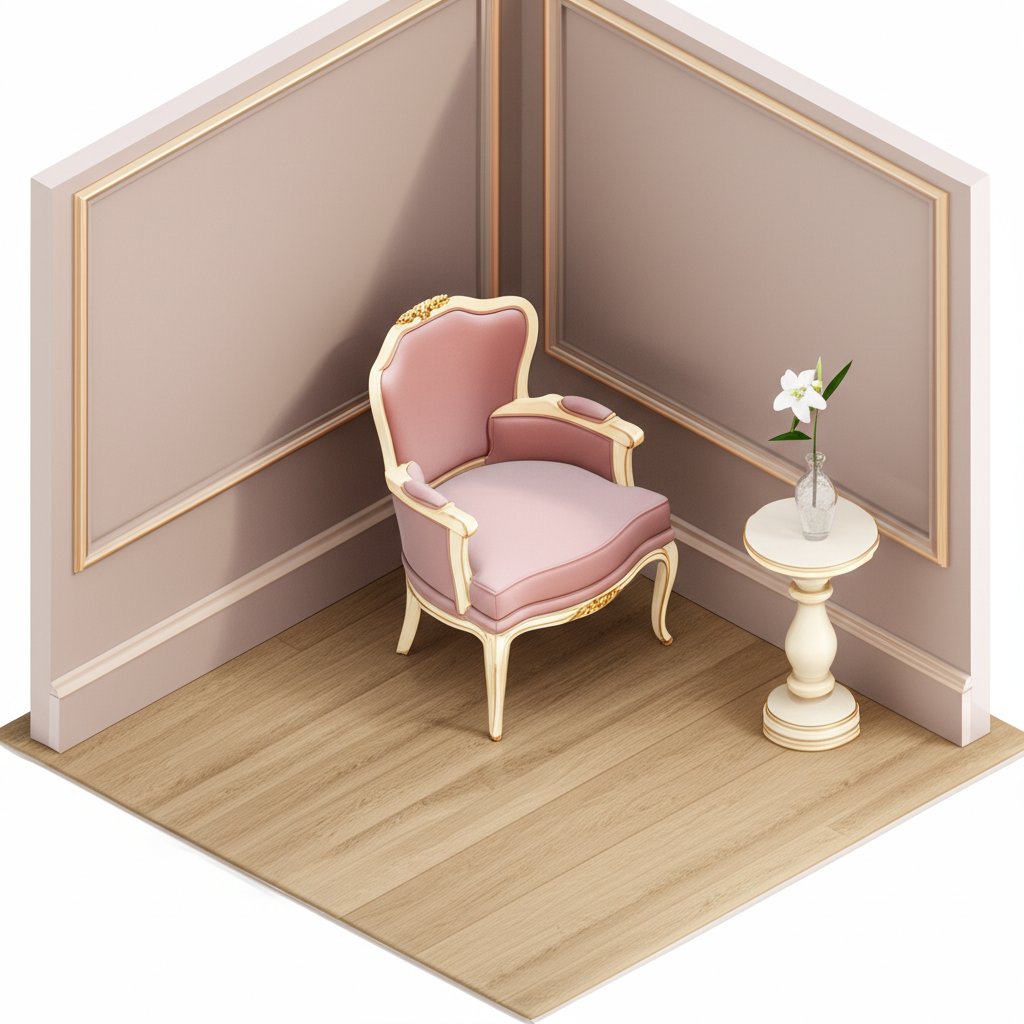
Q1: What is a voyeuse chair used for?
A1: Historically, a voyeuse chair was used for discreet observation in 18th-century French salons. Occupants would sit on the elevated seat and lean their arms on the padded top rail to comfortably watch card games, theatrical performances, or social conversations without fully participating. Today, it primarily serves as a decorative accent chair or a unique seating option.
Q2: What does “voyeuse” mean?
A2: “Voyeuse” is a French word that literally translates to “female viewer” or “gazer.” The name aptly describes the chair’s original purpose: to facilitate observation.
Q3: What period is a voyeuse chair from?
A3: The voyeuse chair originated in 18th-century France, most notably during the Louis XV and Louis XVI periods (roughly 1730s to 1790s). It is a classic example of 18th century furniture.
Q4: How do you identify an antique voyeuse chair?
A4: To identify an antique chair as a voyeuse, look for its distinctive features: an elevated, often saddle-shaped seat; a relatively low back; and crucially, a padded top rail designed for resting the arms. Authentic 18th-century pieces will also exhibit period-appropriate carving styles (Rococo for Louis XV, Neoclassical for Louis XVI), traditional joinery, rich wood types (like beech or mahogany), and luxurious upholstery materials.
Q5: Are voyeuse chairs comfortable?
A5: The comfort of a voyeuse chair depends on its specific design and upholstery, but generally, they are designed for an attentive, upright posture rather than relaxed lounging. The padded top rail provides comfort for leaning forward, but the elevated, sometimes more rigid seat is not intended for extended, casual sitting like a large armchair.
Q6: What is the difference between a voyeuse and a bergère voyeuse?
A6: A standard voyeuse chair typically has a more open and slender frame, with a simple low back and a padded top rail. A bergère voyeuse (or bergère ponteuse) is a variation that combines the voyeuse’s observational features with the deeper, more enclosed, and more heavily upholstered construction of a bergère armchair, offering a slightly more relaxed but still attentive seating experience.
Q7: Why is it called a salon chair?
A7: The voyeuse chair is often referred to as a salon chair because it was specifically designed for and predominantly used in the grand salons of 18th-century French aristocracy. These salons were the primary social spaces for entertainment, intellectual discussions, and card games, making the voyeuse an ideal piece of furniture for that specific setting.










