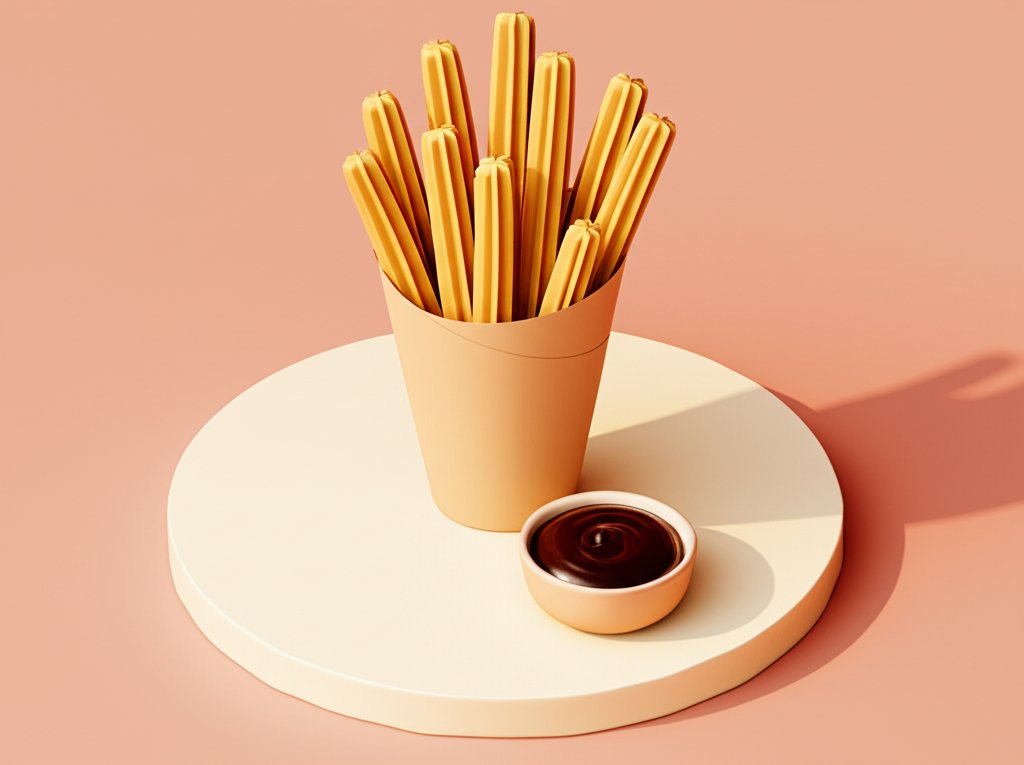
Imagine the world stopping for a moment as you bite into a perfect Spanish churro: a golden, ridged masterpiece, shatteringly crisp on the outside, wonderfully tender and airy on the inside, often dusted with a sweet whisper of sugar. This isn’t just a dessert; it’s a culinary hug, a street food hero, and an iconic symbol of Spanish indulgence. While its popularity has soared globally, the true magic lies in mastering the authentic churros experience, right from your own kitchen.
Many attempts at homemade churros fall short, resulting in soggy, heavy, or even dangerously explosive dough. But fear not! This isn’t just another churros recipe; it’s your definitive, expert-guided journey to creating Spanish churros that rival those found in the bustling churrerías of Madrid. We’ll demystify every step, uncover the time-honored secrets of the precise churros cooking method, and teach you how to make churros that are perfect every single time. Prepare to transform humble ingredients into an extraordinary treat, turning your home into a haven of authentic Spanish flavors.
While the creation of perfect churros might not require a centrifuge or a sous vide, understanding the science behind the ingredients, much like in the fascinating field of molecular gastronomy, can elevate your technique.
The Enduring Legacy of Spanish Churros: More Than Just a Treat
Before we whisk away into the kitchen, let’s savor the rich tapestry of history and culture woven into every golden strand of Spanish churros. These delightful fried dough pastries hold a cherished place in Spanish daily life, often enjoyed as a comforting breakfast alongside a steaming cup of thick hot chocolate, or as a late-night snack after a lively evening out. Their profound cultural significance transcends mere sweetness, embodying community, comfort, and celebration across generations.
Delving into the captivating story behind these treats, it’s fascinating to explore the churro recipe history and unravel the different theories surrounding their creation.
A Culinary Chronicle: Tracing the Origins of Authentic Churros
The precise genesis of the authentic churros remains a delightful mystery, sparking various theories that add to their mystique. One popular tale credits Spanish shepherds, who, high in the remote mountains and far from bakeries, devised an ingenious, easy-to-cook dough that could be fried over an open fire. The distinctive star shape, they say, was formed by extruding the dough through a simple device, providing increased surface area for maximum crispiness and more even cooking.
Another compelling theory suggests churros journeyed to Europe from China, brought back by Portuguese explorers who encountered a similar fried dough pastry called youtiao. Regardless of their exact inception, churros rapidly became a staple treat across the Iberian Peninsula, evolving into the beloved, simple pleasure we cherish today. This rich history underscores why understanding the churros cooking method is not just about technique, but about preserving a culinary heritage.
The Defining Characteristics of True Spanish Churros
The term “Spanish churros” often evokes images of long, ridged, deep-fried dough. However, true authenticity delves deeper than just appearance. It lies fundamentally in the elegant simplicity of the ingredients and the precision of the preparation, making the churros cooking method uniquely Spanish:
- No Eggs, No Yeast: A hallmark of traditional Spanish churros is the absence of eggs and yeast. Unlike many Latin American or modern churro variations, the Spanish version relies on a basic choux-like pastry cooked on the stovetop. This results in a dough that is slightly denser yet wonderfully light and airy when fried correctly, yielding that signature crisp exterior and a satisfyingly chewy, tender interior. This is a critical distinction for authentic churros.
- Minimalist Ingredients: The magic is in the simplicity: flour, water, salt, and optionally a touch of sugar in the dough. This minimalist approach allows the pure texture and nuanced flavor of the fried dough to truly shine through.
- Distinctive Star Shape: The star-shaped nozzle isn’t merely for aesthetics. It dramatically increases the dough’s surface area, promoting superior crispiness, and, critically, it provides controlled pathways for steam to escape during frying. This prevents the dough from building up internal pressure, which can cause dangerous “explosions” in hot oil.
- Serving Tradition: In Spain, churros are most commonly served plain, perhaps with a dusting of fine sugar. While cinnamon sugar is a popular international addition, it’s less traditional in Spain itself, where the primary accompaniment is a very thick, rich, bittersweet hot chocolate, perfect for generous dipping. Fillings are virtually unheard of in classic Spanish churrerías.
Understanding these foundational elements is the first step to truly mastering your churros recipe and ensures you’re creating genuinely authentic churros. It’s a testament to how humble components can yield extraordinary flavor when the churros cooking method is respected and executed with care.
Mastering the Art: Your Ultimate Churros Recipe Blueprint
Achieving culinary excellence in any dish begins with meticulous preparation. For an authentic churros experience, you don’t need exotic ingredients, but rather quality and precision in both your components and tools. Knowing how to make churros well, consistently, and safely starts right here.
The Essential Ingredients for Flawless Spanish Churros
The understated beauty of traditional Spanish churros is rooted in their humble, straightforward ingredient list. Do not underestimate their collective importance; each plays a vital and specific role in the final texture, flavor, and success of the churros cooking method.
- All-Purpose Flour (2 cups / 250g): This forms the fundamental structure of your churros. Using a good quality all-purpose flour is paramount. Sifting it before adding helps prevent lumps, ensuring a smoother, more uniform dough, critical for that delicate, light texture after frying.
- Water (1 ¼ cups / 300ml): The primary liquid in your dough. It must be at a vigorous, rolling boil when the flour is added. This high heat effectively cooks the flour, creating the foundational choux pastry base. This process is crucial for achieving the correct dough consistency and preventing the churros from absorbing too much oil during frying.
- Salt (½ teaspoon): A non-negotiable flavor enhancer. It brilliantly balances any sweetness and vividly brings out the full, savory-sweet flavor of the fried dough. Skipping it will result in notably bland churros.
- Granulated Sugar (2-3 tablespoons for the dough, plus ½ cup for coating): A small inclusion in the dough (optional but recommended) adds a subtle hint of sweetness and aids in achieving a beautiful golden-brown color during frying. The generous amount for the coating, when combined with cinnamon (if desired), creates that iconic, irresistible sweet and spiced exterior.
- Ground Cinnamon (1-2 tablespoons for coating): The quintessential aromatic partner to sugar. While not strictly traditional in Spain, it’s a globally loved addition. Adjust the quantity to your personal preference for that classic, warming churro finish.
- Neutral Vegetable Oil (4-6 cups for frying): Select an oil with a high smoke point and a neutral, unassertive flavor. Excellent choices include sunflower, canola, vegetable, or light olive oil. The quantity must be sufficient for proper deep-frying, allowing the churros to float freely without touching the bottom of the pot. Never use extra virgin olive oil for frying churros, as its smoke point is too low, and its strong flavor will overpower the delicate churro taste.
Indispensable Equipment for the Authentic Churros Cooking Method
Having the correct tools is just as crucial as having the right ingredients when learning how to make churros. These pieces of equipment ensure safety, consistency, and professional-quality results, making the churros cooking method manageable and enjoyable.
- Heavy-Bottomed Pot or Dutch Oven (3-5 quart): Absolutely essential for deep-frying. Its robust, heavy construction is key to maintaining a consistent oil temperature, which is the single most vital factor in the churros cooking method. A stable temperature prevents greasy, undercooked, or unevenly burnt churros.
- Deep-Fry Thermometer (Candy/Oil Thermometer): Non-negotiable! Maintaining the correct oil temperature (350-375°F / 175-190°C) is the most critical factor for perfect churros. Too cold, and they’ll be heavy, greasy, and absorb excessive oil; too hot, and they’ll burn on the outside while remaining raw and doughy inside. Do not attempt to guess; use a reliable thermometer.
- Sturdy Pastry Bag and Large Star Nozzle: A durable pastry bag (preferably reusable silicone or heavy-duty disposable) fitted with a large open star tip (such as Wilton 1M, Ateco 826, or similar, with a ½-inch to ¾-inch opening) is indispensable for creating the characteristic ridged shape of Spanish churros. These ridges are not just aesthetic; they significantly increase the surface area for crispiness and, crucially, help steam escape safely during frying, preventing dangerous explosions. A dedicated churrera (churro maker) is an excellent, more consistent alternative if you plan to make churros often.
- Slotted Spoon or Spider Skimmer: Essential tools for safely placing churros into and removing them from hot oil, allowing excess oil to drain efficiently.
- Paper Towels or Wire Rack: For draining excess oil after frying. Placing a wire rack over a baking sheet provides superior air circulation and drainage, ensuring maximum crispness. Alternatively, line a plate thickly with several layers of paper towels.
- Whisk and Sturdy Wooden Spoon or Rubber Spatula: For mixing the dough. A robust wooden spoon or heavy-duty rubber spatula is best for vigorously incorporating the flour into the boiling water, ensuring a smooth, cohesive dough.
- Measuring Cups and Spoons: For accurate ingredient quantities. Precision matters significantly in this churros recipe to achieve the correct dough consistency.
- Kitchen Shears or Small Knife: For cleanly cutting the piped dough strips into the hot oil.
Step-by-Step: How to Make Churros Like a “Churrero”
Now, let’s embark on the core process of how to make churros, immersing ourselves in the authentic churros cooking method. This stage demands precision, unwavering attention to detail, and good timing—your best allies for success.
Recipe: Classic Spanish Churros
Yields: Approximately 16-20 churros (5-7 inches long)
Prep time: 15-20 minutes
Cook time: 15-20 minutes
For the Churros Dough:
For the Cinnamon Sugar Coating:
Stage 1: Crafting the Perfect Churro Dough – The Foundation of Your Churros Recipe
The dough for traditional Spanish churros is a simple, egg-free choux pastry, cooked first on the stovetop. This initial cooking step is crucial for developing the correct texture and consistency, and it’s what sets authentic churros apart.
- Bring Water to a Rolling Boil: In a medium saucepan (a good quality non-stick is recommended for ease), combine the water, 2-3 tablespoons of granulated sugar (if choosing to use it in the dough), and salt. Place the saucepan over medium-high heat and bring the mixture to a vigorous, rolling boil. Ensure the sugar and salt have fully dissolved before proceeding.
- Add Flour (All at Once!): The moment the water is boiling fiercely, immediately remove the pan from the heat. Without delay, add all the sifted all-purpose flour into the hot water mixture. This sudden, singular addition is absolutely key to initiating the proper choux base.
- Stir Vigorously to Form Dough: Using a sturdy wooden spoon or a heavy-duty rubber spatula, stir the mixture quickly and continuously. Initially, the mixture will appear lumpy and wet. Persevere and keep stirring vigorously until all the flour is fully incorporated and forms a cohesive, smooth ball of dough that pulls away cleanly from the sides and bottom of the pan. This vigorous stirring process effectively “cooks” the flour, forming a pliable, thick, slightly stiff dough. This should take approximately 1-2 minutes of intense stirring.
- Cook on Stovetop (Crucial for Consistency and Safety): Return the pan with the dough to medium-low heat. Continue stirring and pressing the dough against the bottom and sides of the pan for another 1-2 minutes. This vital step helps to dry out any excess moisture that might be trapped within the dough, leading to a firmer, safer dough and ultimately crispier, non-exploding churros. You should observe a thin film forming on the bottom of the pan – this is a good sign.
- Rest and Cool Briefly: Remove the pan from the heat. Allow the dough to rest in the pan for 5-10 minutes. This resting period allows the dough to cool slightly, making it much easier and safer to handle during the piping stage and significantly reducing the risk of steam-related issues (like explosions) during frying. Do not let it cool completely; it should still be warm and pliable, just manageable to touch.
Stage 2: Precision Piping – Shaping Your Spanish Churros
The distinctive ridged shape is what makes Spanish churros instantly recognizable and contributes profoundly to their signature crispy texture. Executing this step correctly is a critical part of the churros cooking method.
- Prepare Your Piping Bag: Fit a strong, robust pastry bag with your large open star nozzle. Ensure the nozzle is securely in place and twist the end to create a seal. If you are using a dedicated churrera, prepare it according to its specific instructions.
- Heat Frying Oil: While the dough cools slightly, pour the neutral vegetable oil into your heavy-bottomed pot or Dutch oven. Fill it to a depth of approximately 2-3 inches (never more than halfway up the pot to prevent dangerous boil-overs). Attach your deep-fry thermometer to the side of the pot and begin heating the oil over medium-high heat to reach a precise temperature of 350-375°F (175-190°C). This preheating will take some time, so start this step early.
- Fill the Piping Bag: Carefully transfer the slightly cooled churro dough into the prepared pastry bag. Avoid overfilling the bag; it’s better to work in smaller batches if necessary, as this makes the bag easier and safer to handle. Twist the top of the bag securely to seal the dough and apply gentle but firm pressure. Crucially, ensure no large air pockets are trapped within the dough in the bag, as these can cause significant safety issues during frying.
- Safety First: Piping into Hot Oil: Always ensure your frying oil is precisely at the desired temperature before attempting to pipe any dough. Never pipe dough into cold or insufficiently hot oil. Hold the pastry bag firmly with both hands, applying strong, even pressure from the top. Pipe 5-7 inch long strips of dough directly into the hot oil. Use kitchen shears or a small knife to cleanly and quickly cut the dough from the nozzle, allowing the churro to drop into the oil.
- Work in Small Batches: Do not overcrowd the pot. Fry only 3-4 churros at a time, depending on the size of your pot. Overcrowding will cause a significant and undesirable drop in oil temperature, leading to greasy, unevenly cooked churros. Maintaining oil temperature is paramount.
Stage 3: Deep Frying with Finesse – The Churros Cooking Method Unveiled
Frying is the transformative stage where raw dough evolves into golden, gloriously crispy traditional churros. This is, without a doubt, the most crucial and demanding step in the entire churros cooking method.
- Monitor Oil Temperature Continuously: This advice cannot be sufficiently stressed. Keep a vigilant eye on your deep-fry thermometer throughout the entire frying process. Significant fluctuations in temperature can lead to disaster: either soggy, oil-saturated exteriors or burnt outsides with raw, doughy interiors. Adjust the heat as needed (lowering or raising the burner flame) to consistently maintain the ideal 350-375°F (175-190°C) range.
- Fry Until Golden Brown and Crisp: Fry the churros for approximately 2-4 minutes per side, or until they achieve a beautiful, deep, uniform golden-brown color and appear thoroughly cooked through, feeling firm to the touch. Gently turn them with your slotted spoon or spider skimmer to ensure even browning on all sides.
- Drain Excess Oil Immediately: Once the churros are perfectly golden and thoroughly cooked, remove them from the oil using your slotted spoon or spider skimmer. Immediately transfer them to a plate generously lined with paper towels or, for best results, a wire rack set over a baking sheet to drain any and all excess oil. This immediate drainage step is absolutely essential for achieving and maintaining maximum crispiness.
Stage 4: The Sweet Finish – Coating Your Masterpiece
Your Spanish churros are now perfectly cooked and almost ready for their grand debut! These final touches make all the difference, transforming them into an irresistible treat.
- Mix the Cinnamon Sugar Coating: In a shallow dish or a wide pie plate, combine the remaining ½ cup of granulated sugar with 1-2 tablespoons of ground cinnamon (if using). Whisk these two ingredients thoroughly to ensure the cinnamon is evenly distributed throughout the sugar mixture.
- Coat While Warm: This step is time-sensitive. Immediately after draining the fried churros, while they are still piping hot and possess a slight residual oiliness, roll them generously in the cinnamon-sugar mixture. The warmth and the trace amounts of oil help the sugar adhere perfectly, creating that irresistible, glistening, sweet, and spiced crust that defines a classic churro.
- Serve Immediately: Traditional Spanish churros are unequivocally best enjoyed fresh and hot, directly out of the fryer. At this stage, their crispy exterior and tender, airy interior are at their absolute peak, offering an unparalleled sensory experience.
Troubleshooting & Advanced Tips for Authentic Churros Mastery
The journey to creating exquisite traditional churros can sometimes present challenges. Here’s how to adeptly navigate common pitfalls and ensure consistently perfect, authentic churros every time you learn how to make churros.
The Science of Oil Temperature: Your Key to Non-Greasy Churros
As heavily emphasized, the oil temperature is the paramount factor in the churros cooking method. Understanding its impact is crucial:
- Too Cool (Below 350°F / 175°C): If the oil is not hot enough, the churros will act like sponges, absorbing an excessive amount of oil. This inevitably results in a heavy, greasy, and disappointingly soggy texture that utterly lacks the desired crispness. Furthermore, the dough may not cook thoroughly in the center.
- Too Hot (Above 375°F / 190°C): Conversely, if the oil is too hot, the exterior of the churros will brown and crisp prematurely, often burning, while the interior remains raw, doughy, and entirely undercooked. This creates an unappetizing contrast.
- The Sweet Spot (350-375°F / 175-190°C): This precise temperature range is ideal. It allows the churros to cook through evenly from the inside out, developing a beautiful, consistent golden-brown color and a perfectly crisp, non-greasy exterior. Invest in and rely absolutely on a dependable deep-fry thermometer.
Common Pitfalls and Expert Fixes When You How to Make Churros
Knowing how to make churros involves understanding how to diagnose and correct issues promptly.
- Soggy, Greasy Churros:
- Cause: The oil was not hot enough, or the pot was overcrowded. The churros absorbed too much oil before cooking through.
- Solution: Ensure your oil is consistently at the correct temperature (350-375°F / 175-190°C) by continuously monitoring with a thermometer. Fry in very small batches to prevent the oil temperature from dropping significantly. Always drain thoroughly and immediately on paper towels or a wire rack after frying.
- Burnt Outside, Raw Inside:
- Cause: The oil was too hot.
- Solution: Reduce the oil temperature to the correct range. If the oil is excessively hot, carefully remove the pot from the heat for a minute or two to allow it to cool slightly before resuming frying.
- Churros Exploding While Frying: This is a serious safety concern and indicates a problem with the dough or piping technique.
- Cause: Excessive moisture trapped inside the dough, inconsistencies in the dough’s composition, or trapped air pockets. This often occurs if eggs are mistakenly added to a traditional water-based choux pastry (as the steam builds up without an adequate escape route), if the dough is too wet from insufficient cooking on the stovetop, or if large air pockets are trapped during piping.
- Solution:
- Stick to the Traditional Recipe: Authentic churros recipe does not use eggs. Eggs introduce extra moisture and elasticity, which can significantly contribute to dangerous steam buildup.
- Ensure Dough Consistency: The dough must be thick and stiff after cooking it on the stovetop. Ensure all flour is fully incorporated and visibly cooked. Cook it for the extra 1-2 minutes on the stovetop to dry out any excess moisture effectively.
- Always Use a Star Nozzle: The ridged shape created by a star tip is absolutely crucial! It provides essential pathways for steam to escape evenly and safely, dramatically reducing the risk of explosions. Never pipe smooth churros for deep-frying, as they are far more prone to bursting.
- Even Piping & No Air Pockets: Strive to pipe the dough consistently and gently. Before filling your pastry bag, press down on the dough slightly to eliminate any trapped air bubbles. Avoid creating large air pockets when loading the dough into the bag. Twist the top of the bag tightly to create even, consistent pressure during piping.
- Churros Losing Shape / Becoming Flat:
- Cause: Dough is too wet, insufficient cooking on the stovetop, or the oil was not hot enough.
- Solution: Ensure the dough is firm and cooked thoroughly on the stovetop. Verify the oil is at the correct temperature for immediate setting of the dough when it enters the oil.
Pro Secrets for Consistently Superior Results
Elevate your Spanish churros from delicious to absolutely phenomenal with these expert insights honed by experienced churreros.
- Fresh Oil is Best: While it’s possible to reuse frying oil a few times (filtered after each use), for the absolute best-tasting and purest-flavored churros, always use fresh oil. Overused oil can impart undesirable off-flavors.
- Don’t Rush the Dough Cooling: Allow the dough to rest for the recommended 5-10 minutes. This slight cooling makes it safer and significantly easier to handle and pipe with precision.
- Keep Your Thermometer Clean: Regularly wipe off any batter residue from your deep-fry thermometer to ensure it provides continuously accurate temperature readings.
- Prepare Your Station in Advance: Before you even begin heating the oil, have your cooling rack/paper towels ready and your cinnamon-sugar mixture (or plain sugar) prepared in a shallow dish. Speed is critical for coating churros while they are perfectly hot and receptive.
- Practice Makes Perfect: Do not be discouraged if your very first batch isn’t absolutely flawless. The technique of piping into hot oil requires a little practice to master. Your confidence and skill will rapidly improve with each subsequent batch!
Beyond the Fryer: Serving Traditions and Creative Twists with Spanish Churros
Your traditional churros are now a culinary masterpiece! The final presentation and choice of accompaniments are key to a truly unforgettable and authentic experience.
The Iconic Pairing: Rich Spanish Hot Chocolate
While simply coated in sugar (or cinnamon sugar), Spanish churros are undeniably delightful, their quintessential partner is a thick, incredibly rich, and often bittersweet hot chocolate. In Spain, this is not merely your average drinking chocolate; it is often so intensely dense and velvety that it resembles a liquid pudding, specifically engineered for the glorious act of dipping.
- How to Make It Authentic: Melt high-quality dark chocolate (aim for 70% cacao minimum for authentic bitterness) with whole milk or cream over very low heat, whisking constantly until smooth and glossy. For that characteristic Spanish thickness, you can whisk in a very small amount of cornstarch dissolved in a cold splash of milk and heat gently until it thickens to a spoon-coating consistency. A pinch of cinnamon or a touch of vanilla extract can further elevate its flavor profile.
- The Unforgettable Experience: Dunking a warm, freshly fried, crispy churro into this molten chocolate is a truly divine indulgence, offering a perfect harmony of sweet, bitter, and profoundly deep cocoa notes against the satisfying crunch and tender chew of the fried dough.
Exploring Other Dipping Delights and Flavor Innovations
While the classic chocolate pairing is untouchable, feel free to explore other delicious and creative options for your homemade churros recipe with friends and family:
- Dulce de Leche: A creamy, intensely caramelized milk sauce, wildly popular in Latin American churro traditions. Its sweet, buttery richness offers a wonderful counterpoint to the crispy churro.
- Caramel Sauce: A timeless sweet and sticky option that beautifully complements the golden fried dough.
- Fruit Compotes: A vibrant, fresh berry compote (raspberry, strawberry, blueberry) or a tangy mango or apricot purée can introduce a lovely tart contrast and bright, fruity dimension.
- Whipped Cream: Simple, light, and airy, a dollop of freshly whipped cream can provide a delicate texture and a nice counterpoint to the richness of the churro.
- Nutella/Hazelnut Spread: For a truly decadent treat, warm up some hazelnut chocolate spread for an easy and utterly delicious dip.
Spanish Churro Variations: Porras, Rellenos, and Savory Surprises
While this guide has focused on the traditional churros recipe, the broader world of fried dough offers a few delightful variations you might encounter or wish to experiment with:
- Porras: A larger, thicker, and often smoother Spanish fried dough, typically without the distinctive star shape of churros. Porras are generally lighter and fluffier than churros due to a slightly different dough consistency (sometimes incorporating a subtle leavening agent like baking soda). They are frequently sold alongside churros in traditional Spanish churrerías.
- Churros Rellenos (Filled Churros): While less common in mainland Spain, many Latin American cultures absolutely adore filled churros. After frying, these churros are injected with sweet fillings such as dulce de leche, rich chocolate, various fruit jellies, or even pastry cream, using a special churro filler tool. This adds an indulgent extra layer of sweetness and texture.
- Savory Churros: For the truly adventurous palate, omit the sugar from the churro dough and, crucially, from the coating. Instead, consider adding a pinch of garlic powder, smoked paprika, dried herbs, or even grated Parmesan cheese to the dough. Serve these intriguing savory churros with dips like a vibrant spicy cheese sauce, a classic garlic aioli, a fresh tomato salsa, or even a creamy guacamole. They make an incredibly unique and engaging appetizer or snack!
Conclusion: Your Journey to Churros Mastery
Congratulations! By meticulously following this comprehensive churros recipe and diligently mastering the intricate nuances of the churros cooking method, you have successfully unlocked the secret to creating truly authentic Spanish churros right in the comfort of your own kitchen. This endeavor is far more than just making a delicious dessert; it’s about embracing a cherished culinary tradition, sharing warmth and unparalleled flavor with your loved ones, and experiencing the pure, unadulterated joy of a perfectly crafted treat.
From the elegant simplicity of the choux-like dough to the critical importance of maintaining precise oil temperature and achieving that perfect, glistening sugar (or cinnamon-sugar) finish, you now possess the profound knowledge and refined skills for how to make churros that are truly exceptional and boast world-class quality. The next time you crave an irresistible, crispy snack that transports you directly to the bustling streets of Spain, remember the steps to Spanish churros mastery. Gather your humble ingredients, prepare your essential equipment, and let the simple magic of flour and water transform into golden, crispy perfection. Get frying, and savor every single, glorious, delicious bite!
FAQ: Your Top Questions on How to Make Churros Answered
Q1: What makes a churro “traditional” as opposed to other versions?
A1: Traditional churros, particularly those found in Spain, are distinguished by a very simple, egg-free, and yeast-free dough. This dough is typically made solely from flour, water, and salt (with sugar being an optional addition to the dough itself). This minimalist composition yields a slightly denser, chewier interior with an exceptionally crispy exterior. They are always piped with a star nozzle to create ridges, deep-fried until golden, and most commonly served plain with a dusting of sugar or, more famously, with a very thick, hot chocolate for dipping. In contrast, many Latin American or modern churro variations often include eggs, milk, or butter in the dough, and are frequently filled with dulce de leche, chocolate, or other sweet fillings after frying.
Q2: Is the oil temperature truly that important for the churros cooking method?
A2: Absolutely, without question! The oil temperature is arguably the single most critical factor for a successful and safe churros cooking method. If the oil is too cool (below 350°F / 175°C), the churros’ dough will absorb too much oil, resulting in










