
Throughout history, the human spirit has yearned for a better world, often confronting entrenched injustices and oppressive systems. This fundamental desire is the bedrock upon which social revolutionaries stand, individuals and groups whose unwavering commitment to change ignites reform movements that fundamentally reshape societies. Far from mere agitators, these visionaries are the catalysts behind the relentless pursuit of social justice, challenging the status quo and, in doing so, are instrumental in transforming societies for the benefit of all.
This article delves into the profound impact of these change-makers, exploring their motivations, diverse strategies, and enduring legacies. We will uncover how social reformers across continents and centuries have not only exposed societal flaws but have also laid the groundwork for more equitable and compassionate futures.
What Defines a Social Revolutionary? Agents of Change in History

A social revolutionary is an individual or an organized group dedicated to bringing about fundamental, often radical, changes within a society’s structure, values, and institutions. Unlike political revolutionaries who might solely aim to overthrow a government, social revolutionaries target the deeper societal norms, traditions, and power imbalances that perpetuate injustice. Their work is typically rooted in a profound dissatisfaction with existing conditions and an urgent desire to usher in a more equitable order.
Beyond the Barricades: Diverse Faces of Social Revolutionaries
The image of a revolutionary often conjures up scenes of armed rebellion, but the reality is far more nuanced. Social revolutionaries manifest in countless forms:
Their methods might diverge, but their shared objective remains: an overhaul of societal norms to achieve a higher degree of common welfare and justice.
Examining figures like Mahatma Gandhi alongside other historical changemakers, as we do in our broader discussion of social pioneers, reveals diverse approaches to challenging injustice.
The Spark: Motivations Driving Radical Action
The impetus for becoming a social revolutionary is multifaceted, often stemming from a personal experience with injustice or a deep-seated empathy for the suffering of others. Common motivations include:
These motivations converge to create a powerful drive to challenge even the most deeply entrenched power structures.
The Engine of Progress: Understanding Reform Movements
Reform movements are organized efforts to bring about gradual or radical change within a particular system or institution, often targeting specific social, economic, or political issues. They represent the collective will of social revolutionaries and their supporters, aiming to correct perceived injustices and improve the human condition. Unlike full-scale revolutions aiming to completely dismantle and rebuild society, reform movements often seek to amend existing frameworks, though their ultimate impact can be equally transformative.
From Agitation to Legislation: Strategies for Social Change
The strategies employed by reform movements are as diverse as the issues they address:
The choice of strategy often depends on the political climate, the nature of the injustice, and the resources available to the reformers.
Landmark Reform Movements Shaping Modern Societies
History is replete with examples of powerful reform movements that have irrevocably shaped our world:
These movements, driven by dedicated social reformers, demonstrate the power of collective action to overcome seemingly insurmountable obstacles.
The Quest for Social Justice: Core Principles and Persistent Struggles
The ultimate goal of most social revolutionaries and reform movements is the attainment of social justice. This concept, while universally desired, is complex and has evolved significantly over time. At its heart, social justice refers to the fair and equitable distribution of resources, opportunities, and privileges within a society, ensuring that all individuals have equal chances for well-being and a dignified life, regardless of their background.
Defining Social Justice Across Eras and Cultures
Historically, the understanding of social justice has broadened:
Achieving social justice is not merely about equality of opportunity but also about addressing systemic barriers and historical disadvantages that prevent certain groups from thriving.
Key Areas of Social Injustice Targeted by Activists
Social revolutionaries consistently identify and challenge specific areas where injustice manifests:
These persistent struggles underscore the continuous need for social reformers to champion the cause of justice.
Iconic Social Reformers: Catalysts for Profound Change
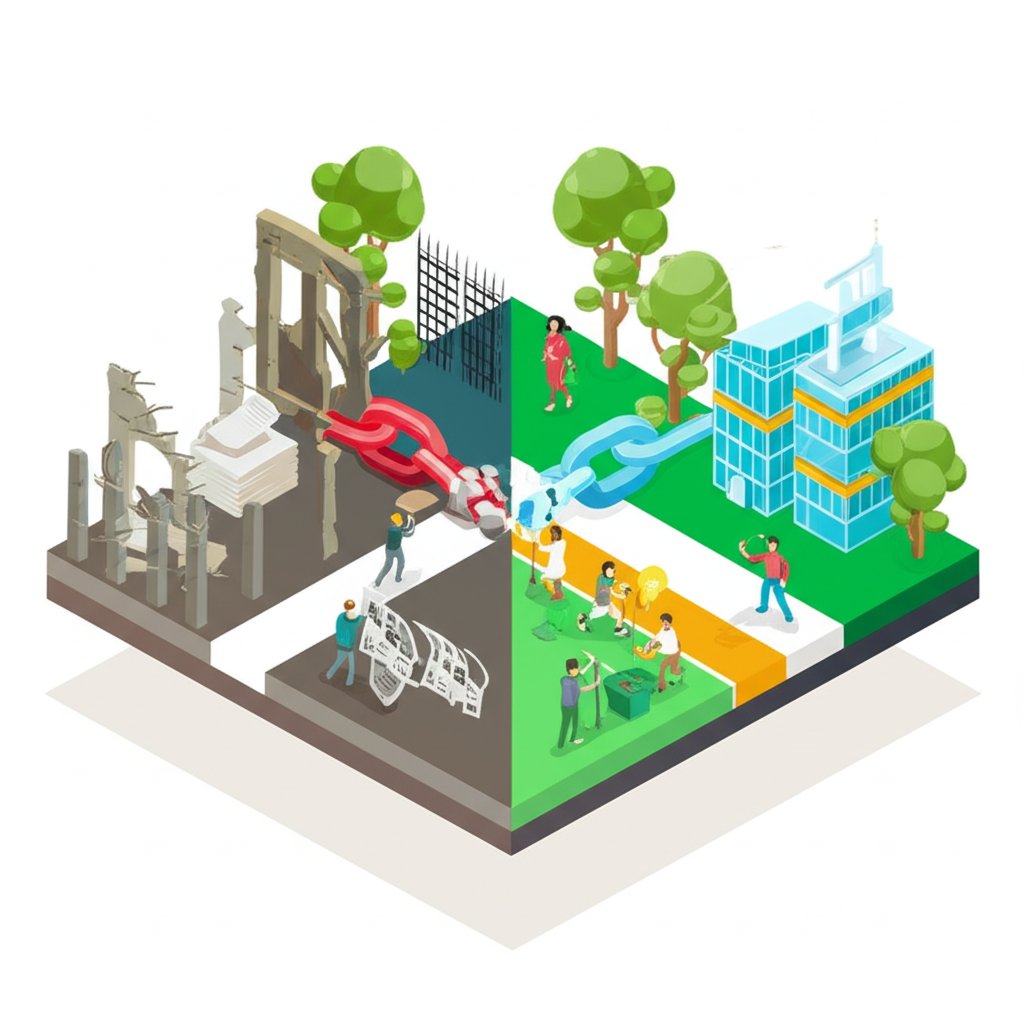
Throughout time, certain individuals have risen to become beacons of hope and drivers of change. These social reformers, through their courage, intellect, and unwavering dedication, have profoundly impacted the trajectory of human progress. Their stories serve as powerful testaments to the capacity of individuals to ignite collective action and challenge the most formidable of adversaries.
Pioneers of the 19th Century and Early 20th Century
The 19th and early 20th centuries were periods of immense social upheaval, giving rise to numerous influential social reformers:
These figures laid foundational stones for many of the social justice gains we recognize today.
Modern Era Trailblazers: Global Impact
The torch of social justice continues to be carried by social reformers in the modern era, addressing new challenges and continuing the fight for equality:
These contemporary social reformers demonstrate that the struggle for justice is ongoing, adapting to new contexts and leveraging new platforms to effect change.
Transforming Societies: The Lasting Legacy of Revolutionary Action
The cumulative impact of social revolutionaries and their reform movements is nothing short of transforming societies. Their efforts ripple through generations, altering not just laws and policies, but also cultural norms, perceptions, and the very fabric of human interaction. This transformation is often slow and arduous, but its long-term effects are profound and irreversible.
Shifting Paradigms: Cultural and Legal Transformations
The legacies of social revolutionaries are evident in widespread societal shifts:
These transformations are not always complete or linear, but they represent significant progress from previous eras.
The Unfinished Revolution: Challenges and Future Outlook
Despite significant progress, the work of social revolutionaries is never truly finished. New forms of injustice emerge, and old prejudices often resurface. Contemporary challenges include:
The ongoing need for social reformers to champion social justice and instigate reform movements remains critical. The lessons learned from past social revolutionaries—courage, persistence, strategic action, and an unwavering commitment to human dignity—continue to inspire new generations to strive for a more just and equitable world, ensuring the continuous process of transforming societies.
FAQ
Q1: What is the difference between a social revolutionary and a political revolutionary?
A political revolutionary primarily aims to overthrow an existing government or political system to establish a new one. Their focus is on state power. A social revolutionary, on the other hand, seeks more fundamental changes within the social fabric, culture, and values of a society, often targeting deep-seated injustices like discrimination, inequality, or oppressive traditions, regardless of the political system. While their actions can have profound political implications, their core target is societal transformation rather than just governmental change.
Q2: Can social reform movements ever be truly “complete”?
Generally, no. Social reform movements address ongoing challenges and evolving understandings of justice. As societies develop, new issues emerge, and what was once considered acceptable becomes unjust. For example, while slavery was abolished, new forms of exploitation persist. The struggle for social justice is a continuous process, requiring constant vigilance and renewed efforts from social reformers to ensure societies remain equitable and adaptive.
Q3: What are some common tactics employed by social reformers?
Social reformers use a variety of tactics depending on their context and goals. Common strategies include public awareness campaigns, nonviolent resistance (e.g., boycotts, sit-ins, marches, civil disobedience), lobbying and legislative advocacy, community organizing, educational initiatives, and cultural expression (e.g., protest art, music, literature). The most effective reform movements often combine several of these tactics to build broad support and exert pressure for change.
Q4: How do social revolutionaries impact legal systems?
By galvanizing public opinion and demonstrating the urgency of their cause, social revolutionaries exert pressure on governments to enact new laws or amend existing ones. Their reform movements highlight the inadequacy or injustice of current legal frameworks, leading to legislative changes such as anti-discrimination laws, voting rights acts, labor laws, and environmental protections. Sometimes, their actions directly challenge laws, leading to landmark court cases that redefine legal precedents and rights.
Q5: Are there examples of failed social reform movements?
Yes, many reform movements face significant setbacks, are suppressed by authorities, or fail to achieve their immediate goals. Factors leading to failure can include overwhelming state power, lack of public support, internal divisions, or the movement being ahead of its time. However, even “failed” movements can sow seeds for future change, keeping the idea of social justice alive and inspiring later generations of social reformers. Their efforts are rarely without some form of impact, even if not immediately successful.
Q6: How can individuals contribute to social justice today?
Individuals can contribute to social justice in numerous ways. This includes staying informed and educating others, advocating for specific causes, volunteering for organizations dedicated to reform movements, participating in peaceful protests, supporting ethical consumption, holding elected officials accountable, and challenging injustice in their daily lives. Even small actions, when aggregated, contribute to the ongoing process of transforming societies towards greater equity.










