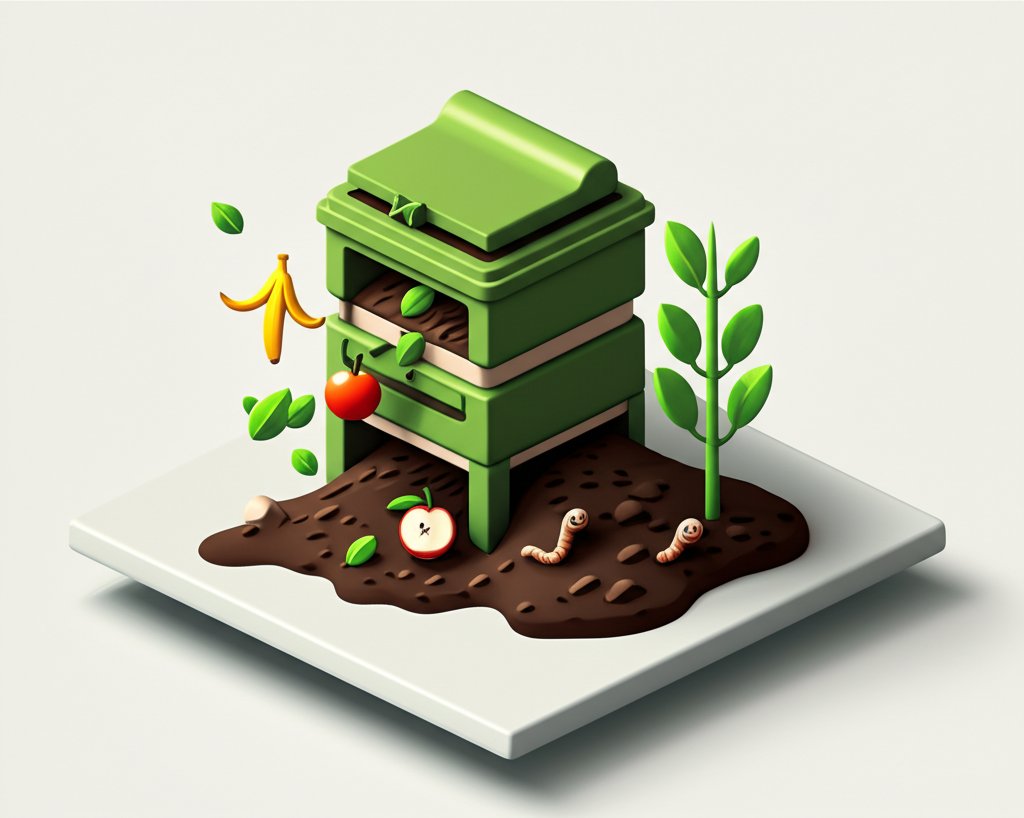
In an age increasingly defined by urgent ecological challenges, a simple, ancient practice offers a profound solution: composting. More than just a way to dispose of food scraps, composting is a cornerstone of sustainable living, a powerful tool for modern waste management, a secret weapon for unparalleled soil enrichment, and a vital contributor to global environmental preservation. As our landfills overflow and climate concerns mount, transforming organic waste into a valuable resource is not merely an option, but an essential step towards a healthier planet. This comprehensive guide will equip you with the knowledge to master composting, revealing how this natural process can revolutionize your relationship with waste and cultivate a more vibrant, resilient world for future generations.
To fully appreciate the impact of this practice, exploring further composting food facts can illuminate its crucial role in reducing landfill waste and enriching our gardens.
Composting Demystified: Nature’s Ultimate Recycler
At its heart, composting is nature’s ingenious recycling system, converting organic matter into a nutrient-rich soil amendment. It’s a dynamic, biological process that fundamentally underpins sustainable living by closing the loop on our consumption cycles, turning “waste” into a celebrated resource.
What Exactly Is Composting? Unpacking Nature’s Alchemy
Composting is the controlled decomposition of organic materials—like kitchen scraps and yard waste—by a complex community of microorganisms (bacteria, fungi), invertebrates (worms, mites), and other beneficial organisms. Through an aerobic (oxygen-present) biological process, these tiny workers break down complex organic compounds into simpler, stable substances, ultimately creating “humus.” This dark, earthy, crumbly material, often referred to as “black gold,” is teeming with beneficial microbes and essential plant nutrients, making it an invaluable asset for gardening, agriculture, and land regeneration. It’s a testament to how even our discarded items can be transformed into life-giving resources.
The Science Behind the “Black Gold”
Understanding the basic science of composting helps ensure success. It relies on four key ingredients:
A balanced ratio of carbon to nitrogen (ideally 25-30 parts carbon to 1 part nitrogen) is vital for efficient decomposition, often achieved by roughly two to three parts browns for every one part greens by volume.
Revolutionizing Waste Management with Composting
Globally, organic waste constitutes a staggering portion of what fills landfills. It’s not just a space issue; it’s a major environmental hazard. Composting offers a highly effective, nature-based solution to modern waste management challenges, transforming a problem into a powerful resource.
Diverting Organic Waste: A Critical Step for Landfill Reduction
Consider the sheer volume: roughly 30-50% of the average household’s waste stream is organic material that could be composted. When food scraps, yard trimmings, and other biodegradables are buried in oxygen-deprived landfills, they decompose anaerobically (without oxygen). This process is highly inefficient and leads to the generation of potent greenhouse gases. By embracing composting, we dramatically reduce this landfill burden, conserve valuable land, and shift towards a more responsible approach to what we discard. It’s an active step in reclaiming resources from the trash heap, directly supporting smarter waste management.
The Methane Problem: Composting’s Climate Solution
One of the most insidious byproducts of anaerobic decomposition in landfills is methane (CH₄). Methane is a greenhouse gas far more potent than carbon dioxide (CO₂) in its short-term warming potential. Landfills are among the largest human-caused sources of methane emissions. Composting, by contrast, is an aerobic process, meaning it occurs in the presence of ample oxygen. Aerobic decomposition produces carbon dioxide (CO₂) instead of methane, significantly reducing the climate impact of organic waste. Therefore, composting directly contributes to environmental preservation by mitigating harmful greenhouse gas emissions, a critical component of effective waste management.
Composting’s Role in a Circular Economy
Composting is a quintessential example of a circular economy in action. Instead of a linear “take-make-dispose” model, it transforms “waste” into a valuable input for new growth. Food scraps nourish the soil, which in turn grows more food, creating a closed-loop system where resources are continually valued and regenerated. This paradigm shift from waste generation to resource regeneration is fundamental for true sustainable living and responsible waste management, emphasizing valuing every resource and minimizing negative externalities.
The Alchemy of Soil: Unlocking Unparalleled Soil Enrichment
Perhaps no benefit of composting is more tangible than its transformative effect on soil. The “black gold” it produces is a miracle worker for any garden, farm, or green space, offering unparalleled soil enrichment that vastly improves plant health and ecosystem resilience.
Transforming Waste into Nutrient-Dense “Black Gold”
Compost is far more than just a fertilizer; it’s a living ecosystem in itself. It’s packed with macro- and micronutrients essential for plant health, along with a thriving community of beneficial microorganisms. Unlike synthetic fertilizers, which offer a quick burst of specific nutrients but can degrade soil over time, compost provides a slow-release, holistic feeding for plants. It improves the very structure of the soil, making it more robust, aerated, and fertile. This natural provisioning of nutrients is key to genuine soil enrichment.
Nutrient Cycling and Microbial Magic: The Lifeblood of Healthy Soil
The true magic of compost lies in its living components. Billions of bacteria, fungi, protozoa, nematodes, and other invertebrates break down organic matter, making nutrients available to plants in a natural, balanced way. This microbial activity boosts the soil food web, which is critical for healthy plant growth and efficient nutrient cycling. A handful of healthy compost can contain more beneficial organisms than there are people on Earth, working tirelessly to unlock the soil’s potential. This active biological environment is the foundation for lasting soil enrichment and resilient ecosystems.
Enhanced Plant Growth, Disease Resistance, and Water Conservation
Plants grown in compost-amended soil are demonstrably healthier and more vigorous. They develop stronger root systems, are better able to absorb water and nutrients, and exhibit increased resilience against pests and diseases. The diverse microbial community in compost can even suppress plant pathogens, acting as a natural defense mechanism. This means less need for synthetic pesticides and fungicides, further contributing to environmental preservation.
Furthermore, compost significantly enhances soil structure. It creates stable aggregates, improving aeration in compacted clay soils and increasing water retention in sandy soils. Soils rich in organic matter can hold substantially more moisture, reducing the need for frequent irrigation. This water-saving capability is crucial in an era of increasing water scarcity, making composting a vital tool for sustainable landscaping and agriculture. Good soil structure also prevents erosion and runoff, keeping valuable topsoil and nutrients in place, which is a direct benefit of superior soil enrichment.
Beyond Your Backyard: Composting’s Global Impact on Environmental Preservation
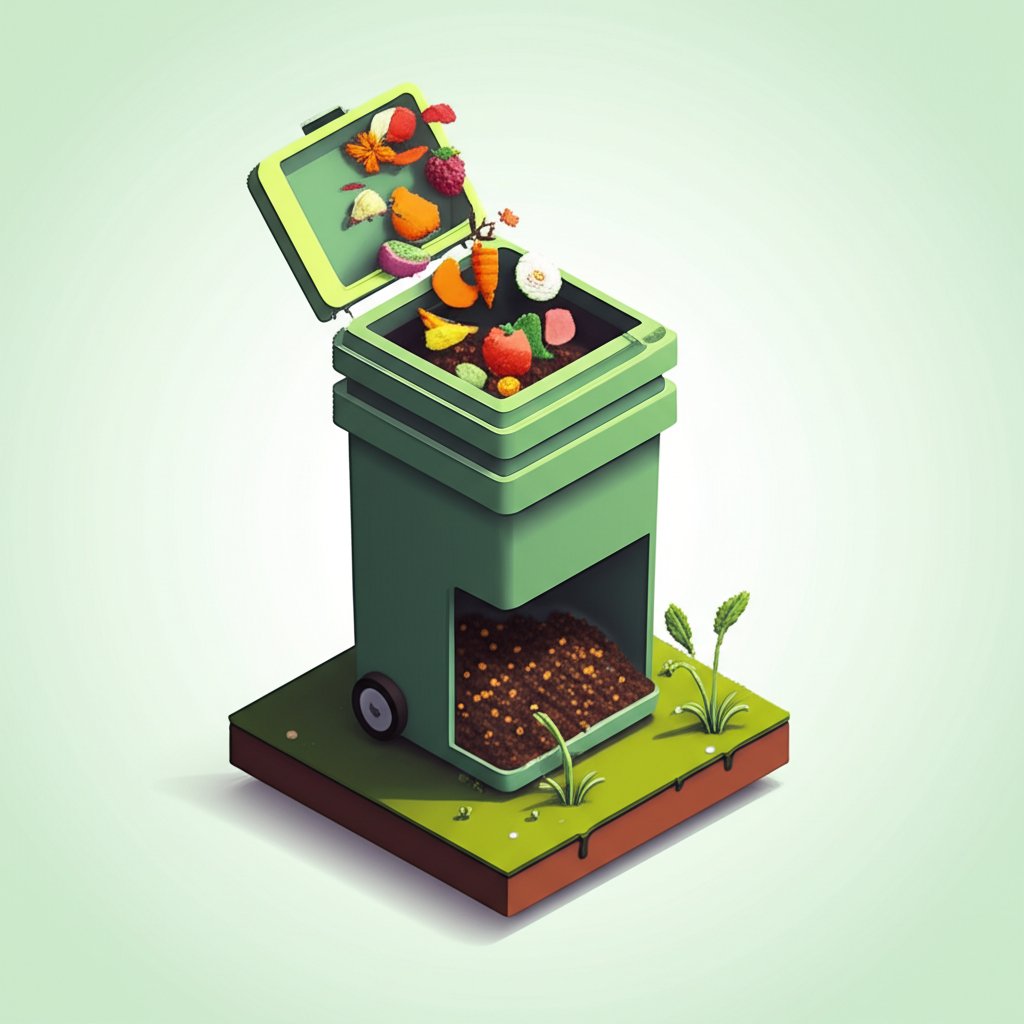
The ripple effects of widespread composting extend far beyond individual gardens, contributing significantly to global environmental preservation efforts and fostering a truly sustainable living ethos worldwide.
Reducing Chemical Fertilizer Dependency: Protecting Water and Air
By providing a natural, nutrient-rich alternative, compost can dramatically reduce or even eliminate the need for synthetic chemical fertilizers. The production of these fertilizers is energy-intensive, relying heavily on fossil fuels and contributing to greenhouse gas emissions. Moreover, runoff from chemical fertilizers can pollute waterways, leading to eutrophication (algal blooms) and destructive “dead zones.” Embracing compost means cleaner water, less energy consumption, and a healthier ecosystem – a direct win for environmental preservation and a hallmark of sustainable living.
Supporting Biodiversity and Ecosystem Health: From Soil to Sky
Healthy soil is the foundation of a healthy ecosystem. By enriching soil with compost, we foster a thriving underground world of microbes, insects, and other organisms. This increased biodiversity within the soil directly supports above-ground biodiversity, providing a more robust environment for plants, pollinators, and wildlife. Composting also reduces reliance on monoculture farming practices that deplete soil and harm diverse ecosystems, thus enhancing overall environmental preservation and building a more resilient planet.
Mitigating Climate Change: A Powerful Natural Solution
The impact of composting on climate change mitigation is multi-faceted and substantial. It reduces potent methane emissions from landfills, decreases the carbon footprint associated with chemical fertilizer production and transportation, and crucially, sequesters carbon in the soil in the form of stable organic matter (humus). This carbon sequestration helps to draw down atmospheric CO₂, making composting a powerful natural climate solution. On a global scale, widespread adoption of composting can play a significant role in achieving climate targets and fostering global sustainable living.
Fostering Sustainable Communities and Education
Composting programs, whether at home or community-wide, encourage a deeper connection to our food systems and the natural world. They build community resilience by creating local sources of soil amendments, reducing the costs associated with waste management, and empowering individuals to participate directly in environmental stewardship. This collective action fosters a culture of sustainable living and a shared commitment to environmental preservation. Composting also serves as an invaluable educational tool, teaching children and adults about natural cycles, responsible resource management, and the power of individual action.
Your Composting Journey: Practical Steps to Sustainable Living
Ready to transform your waste and embrace sustainable living? Starting to compost is easier than you think, and there are options to suit every lifestyle and space, making composting an accessible practice for everyone.
Choosing Your Composting Method: Find Your Fit
- Backyard Composting: The most common method, involving a pile or bin in your garden. It suits those with outdoor space and allows for larger quantities of yard waste alongside kitchen scraps. Requires a good balance of “browns” and “greens” and regular turning for optimal results.
- Vermicomposting (Worm Composting): Ideal for smaller spaces, apartments, or those with mostly food scraps. Red wiggler worms do the work, producing nutrient-rich “castings” (worm poop) and compost tea. It’s a clean, odorless system suitable for indoor or outdoor use.
- Bokashi Composting: An anaerobic fermentation process that uses a special bran inoculated with beneficial microbes. It can break down a wider range of food scraps, including meat and dairy, into a “pre-compost” that then needs to be buried or added to a traditional compost pile to fully break down.
- Community Composting Programs: If you lack space, time, or simply prefer not to manage a home system, many municipalities and local organizations offer drop-off points or curbside collection services for organic waste. This allows you to participate in broader waste management efforts without the hands-on involvement, contributing to environmental preservation at a larger scale.
The Essential Ingredients: Browns, Greens, Water, and Air – A Golden Ratio
Successful composting relies on a balanced mix of the “four ingredients” to fuel microbial activity:
- Browns (Carbon-rich materials): Provide energy and structure. Think dried leaves, straw, wood chips, shredded newspaper/cardboard (non-glossy, non-colored), sawdust (from untreated wood), and dried plant stalks.
- Greens (Nitrogen-rich materials): Provide protein for rapid decomposition. Include fruit and vegetable scraps, coffee grounds and filters, tea bags, fresh grass clippings, and fresh plant trimmings.
- Water (Moisture): Your compost pile should be consistently damp, like a thoroughly wrung-out sponge. Too dry, and decomposition slows; too wet, and it becomes anaerobic and smelly.
- Air (Oxygen): Essential for aerobic microorganisms. Turn your compost pile regularly (weekly to monthly) with a fork or aerator to introduce oxygen, prevent compaction, and speed up the process. A well-aerated pile prevents foul odors and the production of methane.
Aim for a carbon-to-nitrogen ratio of roughly 25-30:1. In practice, this often means about two to three parts brown materials (by volume) for every one part green material.
What to Compost (and What Not To): A Clear Guide
Knowing what to add to your compost pile is crucial for efficient decomposition and preventing pests or odors.
YES, COMPOST THESE!
NO, AVOID THESE!
Troubleshooting Common Composting Issues
- Foul Odor (Rotten smell): Usually indicates too much “green” material or lack of air (anaerobic conditions). Solution: Add more “browns” (e.g., dry leaves, shredded cardboard) and turn the pile well to introduce oxygen.
- Pile Not Heating Up/Slow Decomposition: Often due to too little “green” material, too dry, or too small of a pile. Solution: Add more nitrogen-rich greens, moisten the pile (like a wrung-out sponge), or increase the overall size of the pile to generate more heat.
- Pests (Flies, Rodents): Typically caused by adding prohibited items like meat, dairy, or exposed food scraps. Solution: Bury food scraps deeply in the center of the pile, avoid adding prohibited items, and ensure your compost bin is covered or contained.
Conclusion
Composting is far more than just a method to get rid of food scraps; it’s a profound act of sustainable living that reverberates through our ecosystems, our communities, and our wallets. By transforming our organic “waste” into a vibrant source of “black gold,” we actively engage in responsible waste management, deliver unparalleled soil enrichment to our gardens, and make a tangible, significant contribution to global environmental preservation.
In a world clamoring for greener solutions, composting provides a simple, accessible, and incredibly effective pathway. It empowers individuals and communities to reduce landfill burden, actively mitigate climate change, nurture crucial biodiversity, and cultivate healthier, more resilient environments. Embrace the power of composting today, and join the growing movement towards a truly sustainable and thriving future. Your actions, no matter how small, contribute to a monumental change for our planet.
FAQ
What is composting and why is it important for sustainable living?
Composting is the natural process of recycling organic matter, such as food scraps and yard waste, into a nutrient-rich soil amendment called compost. It’s crucial for sustainable living because it diverts significant amounts of organic waste from landfills (reducing potent methane emissions), enriches soil naturally (reducing the need for chemical fertilizers), conserves water, and supports a circular economy, all contributing to a healthier planet.
How does composting contribute to effective waste management?
Composting is a cornerstone of effective waste management by converting approximately 30-50% of typical household waste (organic matter) into a valuable resource. This significantly reduces the volume of waste sent to landfills, extending their lifespan, and critically, prevents the anaerobic decomposition that produces harmful methane gas, a potent greenhouse gas.
What are the main benefits of composting for soil enrichment?
Composting provides exceptional soil enrichment by introducing a wealth of organic matter, essential macro- and micronutrients, and a diverse community of beneficial microorganisms. This improves soil structure (enhancing aeration and water retention), boosts nutrient cycling, promotes robust plant growth, and increases plant resistance to pests and diseases, making the soil more fertile and resilient.
In what ways does composting support environmental preservation?
Composting supports environmental preservation in multiple ways: it drastically reduces potent methane emissions from landfills, decreases reliance on energy-intensive chemical fertilizers (thus reducing associated pollution and carbon footprint), actively sequesters carbon in the soil, conserves water, and promotes biodiversity both in the soil and above ground.
Can composting save me money, and how?
Yes, composting can save you money. By reducing the volume of waste you send to landfills, you may lower waste disposal fees. Crucially, by producing your own nutrient-rich compost, you can lessen or eliminate the need to purchase expensive chemical fertilizers, soil amendments, and even reduce the need for pesticides and fungicides, leading to significant savings in gardening expenses and potentially lower grocery bills if you grow your own food.
Is composting difficult to start at home?
Composting is surprisingly easy to start at home! You can choose from various methods like backyard composting (a simple pile or bin for outdoor spaces), or vermicomposting (worm composting) for smaller spaces or mainly food scraps. The key is balancing “brown” (carbon-rich) and “green” (nitrogen-rich) materials, ensuring adequate moisture, and providing aeration. Many resources are available to guide beginners through the process.
What items should never be put in a home compost pile?
To prevent pests, odors, and the spread of pathogens, you should avoid composting meat, bones, fish, dairy products, oils, greasy foods, diseased plants, weeds with seeds, and pet waste (like dog or cat feces). Also, steer clear of chemically treated wood or plants.










