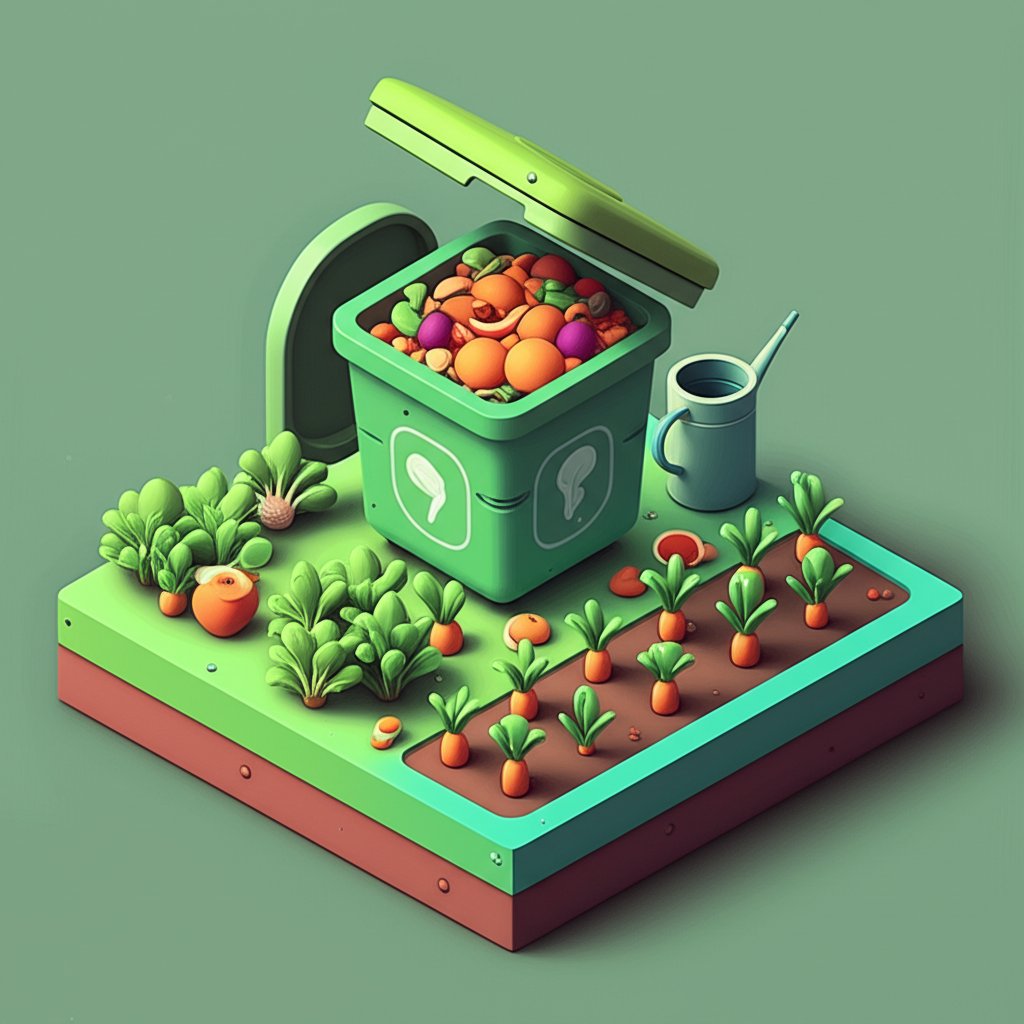
In an era defined by environmental urgency, the call to action for a more sustainable future resonates globally. From meticulously sorting recyclables to conserving precious water resources, every conscious choice contributes to a healthier planet. Among these vital practices, the deceptively simple act of composting stands out as an exceptionally powerful and accessible tool for individuals and communities alike. At the heart of this green revolution lies the humble yet mighty compost bin.
Far from being just a receptacle for kitchen scraps, a compost bin is a dynamic ecosystem, a biological powerhouse that transforms everyday organic waste into nutrient-rich “black gold” for your garden. It’s a direct, tangible way to significantly reduce landfill waste, mitigate harmful greenhouse gas emissions, and actively participate in the fight against climate change. Imagine turning your food waste and garden waste into a vibrant, living soil conditioner that supercharges your plants and fosters a thriving ecosystem – that’s the transformative power a compost bin brings to your home and garden.
If you’re eager to unlock the extraordinary potential hidden in your kitchen and yard waste, and discover how a compost bin can profoundly impact your garden’s health, your wallet, and the planet’s well-being, you’ve arrived at the ultimate guide. This comprehensive resource will delve into the multifaceted benefits of composting, help you navigate the diverse world of compost bin types, and equip you with everything you need to become a confident and successful composter. Get ready to turn your waste into a powerful resource and truly embrace sustainable gardening!
Beyond reducing landfill waste, composting enriches your garden soil, and for a deeper dive into the process, explore these composting food facts to maximize your efforts.
The Myriad Benefits of Composting: Beyond Just Reducing Waste
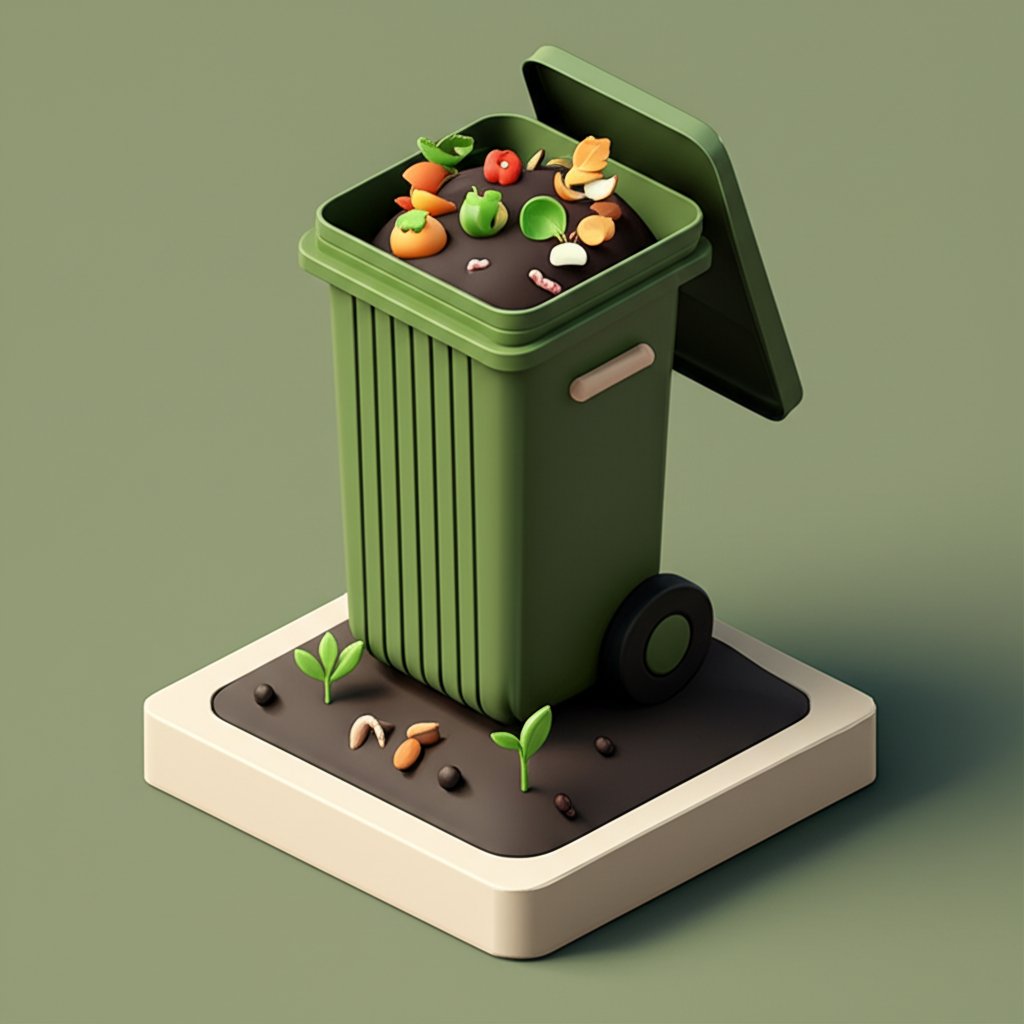
Adopting a compost bin is more than a trend; it’s a profound commitment to a healthier, more sustainable lifestyle. The positive ripple effects of this foundational practice extend from your backyard to global environmental challenges. Let’s explore the remarkable and far-reaching benefits that make owning a compost bin an essential step for every eco-conscious home.
Drastically Reducing Landfill Waste: A Methane-Busting Mission
One of the most immediate and impactful advantages of using compost bins is the significant reduction in household waste sent to municipal landfills. Organic materials—including untouched food, plate scrapings, coffee grounds, and yard trimmings—constitute a staggering portion of municipal solid waste, often exceeding 30-40%. When these materials are buried in the oxygen-deprived environment of a landfill, they undergo anaerobic decomposition, producing methane gas. Methane is a potent greenhouse gas, at least 25 times more effective at trapping heat in the atmosphere than carbon dioxide over a 100-year period, making it a major contributor to global warming.
By diverting these organics into a compost bin, you actively prevent millions of tons of methane from entering our atmosphere annually. This simple act not only saves precious landfill space but also dramatically reduces your household’s carbon footprint. It’s a direct, measurable action against waste overload and climate change, one kitchen scrap and bag of garden waste at a time. The sheer volume of garden waste alone—leaves, grass clippings, branches—can overwhelm landfills, but with a compost bin, it becomes a valuable asset.
Cultivating Superior Soil & Thriving Gardens: The “Black Gold” Advantage
For gardeners, the outputs of composting are nothing short of miraculous. Finished compost is a rich, dark, crumbly material with an earthy aroma, often affectionately called “black gold.” Incorporating this organic amendment into your garden soil offers a plethora of benefits that revolutionize plant health and vitality, making your sustainable gardening efforts truly flourish.
- Nutrient Enrichment & Slow Release: Unlike synthetic fertilizers that provide a harsh, immediate nutrient spike,
compostslowly and steadily releases essential macro and micronutrients as its organic matter continues to break down. This provides a consistent, natural food source for plants, supporting robust growth without the risk of nutrient burn or runoff that can pollute waterways. You’ll significantly reduce, if not eliminate, the need for chemical fertilizers. - Improved Soil Structure & Aeration:
Compostfundamentally transforms soil texture. In sandy soils, it acts as a natural binder, increasing their capacity to retain moisture and nutrients, preventing leaching. For heavy clay soils,compostacts as a loosening agent, improving drainage and aeration, which is crucial for healthy root development and preventing compaction. This creates an optimal environment where roots can penetrate deeper and thrive. - Enhanced Water Retention: Acting like a highly absorbent sponge,
compostdramatically increases the soil’s capacity to hold water. Every 1% increase in soil organic matter can help soil hold an additional 20,000 gallons of water per acre. This means less frequent watering, a vital practice for water conservation, and significantly reduced stress on your plants during dry spells or unexpected droughts, a key aspect ofsustainable gardening. - Boosted Microbial Activity & Soil Food Web:
Compostis alive. It introduces a thriving, diverse ecosystem of beneficial microorganisms, fungi, and earthworms to your soil. These tiny, unseen workers break down organic matter, cycle nutrients, suppress plant diseases by outcompeting harmful pathogens, and create a vibrant, living soil. This intricate soil food web is the foundation of plant health, making plants more resilient and productive. - Enhanced Plant Immunity & Pest Resistance: Healthy soil directly translates to healthy plants. Plants grown in
compost-amended, biologically active soil are inherently more robust and less susceptible to common pests and diseases. The improved nutrient availability, balanced pH, and thriving microbial community allow plants to develop stronger cell walls and natural immune systems, making them less attractive targets for harmful insects and pathogens. This natural symbiosis reduces your reliance on chemical pesticides and fungicides, furthering your commitment tosustainable gardening.
Combating Climate Change & Promoting Sustainable Gardening
Beyond diverting waste and enriching soil, composting plays a pivotal role in the larger fight against climate change and is a cornerstone of sustainable gardening.
- Direct Reduction of Methane Emissions: As previously noted, it directly reduces methane emissions from landfills, a potent greenhouse gas.
- Decreased Reliance on Synthetic Fertilizers: By producing your own organic fertilizer, you decrease the demand for synthetic chemical fertilizers. The manufacture of these chemicals is an energy-intensive process that relies heavily on fossil fuels, releasing significant amounts of carbon dioxide and nitrous oxide (another potent greenhouse gas) into the atmosphere.
- Carbon Sequestration: Healthy, humus-rich soil, regularly amended with
compost, acts as a powerful carbon sink. It sequesters atmospheric carbon dioxide, drawing it down and locking it into the ground, a process known as carbon farming. This regenerative agricultural practice is a fundamental component ofsustainable gardening, fostering ecological balance, improving soil resilience, and directly helping to mitigate rising global temperatures. Choosing acompost binis choosing a pathway to a greener, cooler planet.
Saving Money & Resources: The Economic Perks of Your Compost Bin
The financial benefits of using a compost bin are often underestimated but can lead to significant savings.
- Reduced Waste Disposal Costs: By diverting a substantial portion of your household and
garden wastefrom the landfill, you may see a reduction in your garbage disposal fees, especially if your municipality charges by weight or volume. - Eliminate Fertilizer and Soil Amendment Purchases: Producing your own
composteliminates the need to purchase expensive bags of synthetic fertilizers, soil amendments, and even potting mix from garden centers. This translates into tangible savings, allowing you to invest those funds elsewhere or simply enjoy the financial relief. For a keen gardener, this can be hundreds of dollars annually. - Water Bill Savings: As
compostsignificantly improves soil’s water retention capacity, your garden will require less frequent watering. Over a growing season, this can lead to noticeable reductions in your water bill, especially in drier climates. It’s a key benefit for both your wallet andsustainable gardeningpractices.
Choosing the Perfect Compost Bin: Tailoring to Your Garden & Lifestyle
The market offers a remarkable array of compost bins, each meticulously designed to suit different spaces, lifestyles, and composting goals. Understanding the various types will empower you to select the ideal solution for your home and embark on your composting journey with confidence.
Tumbler Compost Bins: Speed, Efficiency, and Pest Control
- Description: Tumblers are typically enclosed, barrel-shaped containers mounted on a frame, allowing them to be easily rotated or “tumbled.” Most are made from durable, food-grade plastic.
- Pros:
- Faster Composting: Regular tumbling thoroughly aerates and mixes the pile, significantly accelerating decomposition by providing optimal oxygen for microbes. Many models feature dual chambers, allowing one batch of
compostto cure while you continuously add new materials to another. This enables continuouscomposting. - Odor and Pest Control: The fully enclosed design effectively contains odors, preventing them from attracting rodents, insects, and other unwanted pests. This makes them suitable for suburban areas or yards close to neighbors.
- Ease of Use: No manual turning with a pitchfork is required, reducing physical effort and making
compostingaccessible to those with limited mobility. - Neat Appearance: Their contained design keeps the
compostpile tidy and aesthetically pleasing, a bonus for visible garden spots.
- Faster Composting: Regular tumbling thoroughly aerates and mixes the pile, significantly accelerating decomposition by providing optimal oxygen for microbes. Many models feature dual chambers, allowing one batch of
- Cons:
- Capacity Limitations: Tumblers are often smaller than stationary bins, which might be limiting for large households or extensive gardens that generate a significant amount of
garden waste. - Cost: Generally more expensive than basic stationary bins or DIY options.
- Requires Churning: While easy to turn, you still need to remember to do it regularly for optimal results.
- Capacity Limitations: Tumblers are often smaller than stationary bins, which might be limiting for large households or extensive gardens that generate a significant amount of
- Ideal For: Medium-sized households, those who desire faster
compostproduction, individuals who prefer a hands-off approach, or anyone concerned about pests and odors.
Stationary (Batch) Compost Bins: Capacity, Simplicity, and Traditional Composting
- Description: These are typically larger, static containers made from rigid plastic, wood, or wire mesh. They allow materials to decompose in place, often relying on gravity and manual intervention.
- Pros:
- High Capacity: Excellent for larger gardens or households that generate a substantial amount of organic and
garden waste. You can build a sizable pile. - Affordable: Often more budget-friendly than tumblers, especially basic plastic or wire mesh models. DIY versions can be almost free.
- Simple Design: Easy to set up and use; just load materials and wait.
- Long-Term Composting: Ideal for cold
compostingwhere materials slowly break down over many months without much intervention.
- High Capacity: Excellent for larger gardens or households that generate a substantial amount of organic and
- Cons:
- Slower Decomposition: Without regular manual turning (with a pitchfork or aeration tool), decomposition can be slower as oxygen levels naturally diminish.
- Potential for Pests/Odors: Open-bottom or poorly sealed designs can attract pests and create odors if not managed well, particularly if forbidden items are added or green/brown ratios are off.
- Physical Effort: Requires manual turning for aeration, which can be labor-intensive.
- Ideal For: Larger gardens, patient composters, those on a budget, or people who enjoy a more traditional
compostingmethod.
Vermicomposting (Worm Composting): Indoor, Compact, and Nutrient-Rich Castings
- Description: Vermicomposting uses specific species of composting worms (primarily Red Wigglers, Eisenia fetida) to break down organic waste in a contained, often multi-tiered bin. Worms consume food scraps, digest them, and excrete nutrient-rich “castings.”
- Pros:
- Indoor & Small-Space Friendly: Can be kept indoors (kitchen, garage, balcony) due to minimal odor (if managed correctly) and compact size, making it perfect for apartment dwellers or those with limited outdoor space.
- Highly Efficient & Fast: Worms are incredibly efficient at processing food waste quickly, often much faster than traditional cold
composting. - Produces Premium Amendments: Yields nutrient-dense worm castings, considered a superior soil amendment, and “compost tea” (liquid leachate), a natural liquid fertilizer.
- Educational: A fantastic project for children and a great way to observe nature up close.
- Cons:
- Specific Inputs: Cannot process all typical
compost binmaterials (e.g., meat, dairy, oily foods, citrus in large quantities, bulkygarden waste). - Worm Care: Requires some basic care for the worms, including maintaining a consistent temperature, moisture level, and providing the right kind of food.
- Initial Setup & Learning Curve: Can have a slight learning curve to establish a healthy worm bin.
- Specific Inputs: Cannot process all typical
- Ideal For: Apartment dwellers, small households generating mostly kitchen scraps, children’s educational projects, or anyone wanting nutrient-supercharged
compostand a more hands-oncompostingexperience.
DIY Compost Piles & Bins: Budget-Friendly and Highly Customizable
- Description: These range from simple open piles in a secluded corner of the yard to elaborate bins constructed from repurposed materials like pallets, chicken wire, cinder blocks, or even old tires.
- Pros:
- Zero Cost (or very low): Can be made entirely from repurposed or readily available materials, making
compostingaccessible to everyone, regardless of budget. - Unlimited Capacity: A large open pile can handle significant amounts of material, including bulky
garden wastelike branches and leaves. - Flexibility: Adaptable to any size, shape, or aesthetic preference. Can be expanded as your
compostingneeds grow.
- Zero Cost (or very low): Can be made entirely from repurposed or readily available materials, making
- Cons:
- Less Aesthetic: Can appear messy if not well-maintained or thoughtfully designed.
- Pest Concerns: More susceptible to pests and odors if not managed properly (e.g., leaving food scraps exposed).
- Manual Effort: Requires regular turning with a pitchfork or shovel, similar to stationary bins.
- Space Requirement: Open piles generally need more space.
- Ideal For: Large properties, experienced composters, or those with a very tight budget and access to building materials. It’s also excellent for tackling huge volumes of
garden wastein one go.
Specialized Kitchen Compost Bins: The Essential First Step for Food Scraps
- Description: These are smaller, aesthetically pleasing containers typically kept on a kitchen counter or under the sink, used for temporarily collecting food scraps before transferring them to a larger outdoor
compost bin. They are not designed forcompostingthemselves but for convenient collection. - Pros:
- Convenience: Keeps scraps handy until ready for the main outdoor bin, making daily
compostingeffortless. - Odor Control: Many feature tight-fitting lids and/or replaceable charcoal filters to minimize smells, ensuring your kitchen stays fresh.
- Aesthetics: Designed to blend seamlessly into modern kitchen decor.
- Motivates Composting: Makes the initial step of sorting waste simple and encourages consistent participation.
- Convenience: Keeps scraps handy until ready for the main outdoor bin, making daily
- Cons:
- Not for Composting: It’s crucial to remember these are collection bins, not
compost binsfor decomposition. Contents must be transferred. - Requires Regular Emptying: Depending on household size, it may need to be emptied daily or every few days.
- Not for Composting: It’s crucial to remember these are collection bins, not
- Ideal For: Every kitchen! An indispensable tool for efficiently gathering materials for your main outdoor
compost binor vermicomposting system.
Advanced Composting Methods & Considerations
While the above are the most common, the world of composting offers specialized techniques for specific needs and materials, further demonstrating composting’s versatility as a sustainable gardening practice.
- Trench Composting: Involves burying food scraps directly into a garden trench or around plants. It’s simple, odor-free, and feeds plants directly, but is slow and limited in volume.
- Sheet Composting (Lasagna Gardening): Layering organic materials directly onto garden beds in thick sheets, which decompose in place to create new soil. Excellent for starting new garden beds or revitalizing existing ones with minimal effort, effectively turning
garden wasteinto fertile ground. - Bokashi Composting: An anaerobic fermentation process using
Bokashibran (inoculated with beneficial microorganisms) to pre-process a wider range of food scraps, including meat and dairy, indoors. The fermented material (not truecompost) then needs to be buried or added to a traditionalcompost binto break down further. It’s fast and effective for all food waste types.
The Art and Science of Composting: Your Step-by-Step Guide
Embarking on your composting journey is simpler than you might think. With a basic understanding of the ingredients, the process, and some easy management techniques, you’ll be creating valuable compost in no time, actively contributing to sustainable gardening.
Understanding Your Ingredients: Greens (Nitrogen) & Browns (Carbon)
Successful composting relies on a balanced mix of “greens” (nitrogen-rich materials) and “browns” (carbon-rich materials). This balance is crucial because nitrogen provides the protein for the microorganisms, fueling their rapid reproduction and heat generation, while carbon provides their energy source and the bulk structure of the pile. Aim for roughly a 1:2 to 1:3 ratio of greens to browns by volume. Too many greens can lead to a smelly, soggy pile; too many browns will slow decomposition.
Greens (Nitrogen-Rich – Provide moisture and heat):
Browns (Carbon-Rich – Provide aeration, bulk, and a microbe food source):
What Not to Compost: Averting Problems and Ensuring Success
Avoiding certain materials is crucial for preventing pests, foul odors, and harmful pathogens in your compost bin, ensuring your composting process remains clean and efficient for sustainable gardening.
- Meat, Bones, Fish, and Dairy Products: These attract rodents, flies, and other pests, create foul odors, and can cause pathogen issues that home
compost binstypically can’t neutralize. - Oily or Greasy Foods: Fats and oils decompose very slowly, can become rancid, attract pests, and repel water, hindering the
compostingprocess. - Diseased Plants: Can spread diseases back to your garden when you use the finished
compost. It’s better to discard infected plants or burn them if local regulations allow. - Weeds with Mature Seeds or Aggressive Roots: Many weed seeds can survive the
compostingprocess (especially in cooler piles) and sprout in your garden, undoing your weeding efforts. Aggressive roots like bindweed can also regrow. - Pet Waste (Dog, Cat, Human): Contains harmful bacteria (e.g., E. coli, Salmonella), viruses, and parasites that home
compost binsrarely reach temperatures high enough to kill effectively. While specialized commercial systems or composting toilets can handle human waste, it’s unsafe for typical homecomposting. - Chemically Treated Materials: (e.g., pressure-treated wood, grass or plants treated with herbicides/pesticides) Can introduce toxins into your
compostand, subsequently, your garden soil. - Glossy Paper, Magazines, or Colored Ink: May contain heavy metals and other chemicals that you don’t want in your
compost. Stick to plain newspaper or cardboard. - Coal Ash or Charcoal Briquettes: Contains substances harmful to plants and should not be added. Wood ash in small quantities is acceptable.
- Synthetic Materials: Plastics, synthetic fabrics, aluminum foil, glass, styrofoam – these do not decompose.
Setting Up Your Compost Bin for Optimal Performance
Embarking on composting begins with a thoughtful setup. Where you place your compost bin and










