Imagine a sea that whispers tales of ancient floods, hides perfectly preserved shipwrecks in its silent depths, and bridges continents with its vibrant shores. That’s the Black Sea, a body of water brimming with mystery and wonder. While many know of its geographical presence, few grasp the truly captivating facts that make it one of the most intriguing seas on Earth. Get ready to dive deep into a world of unique phenomena, historical legends, and breathtaking beauty as we uncover the astonishing Black Sea facts that will inspire your next adventure. From its unusual chemistry to its rich cultural tapestry, you’re about to discover why the Black Sea is an unparalleled destination for curious minds and an exciting frontier for Black Sea travel.
The Black Sea Unveiled: Geography, History, and Name Origin
The Black Sea is far more than just a large expanse of water; it’s a dynamic crossroads of geology, history, and diverse cultures. Understanding its fundamental characteristics sets the stage for appreciating its many unique wonders.
Where East Meets West: A Geographical Marvel
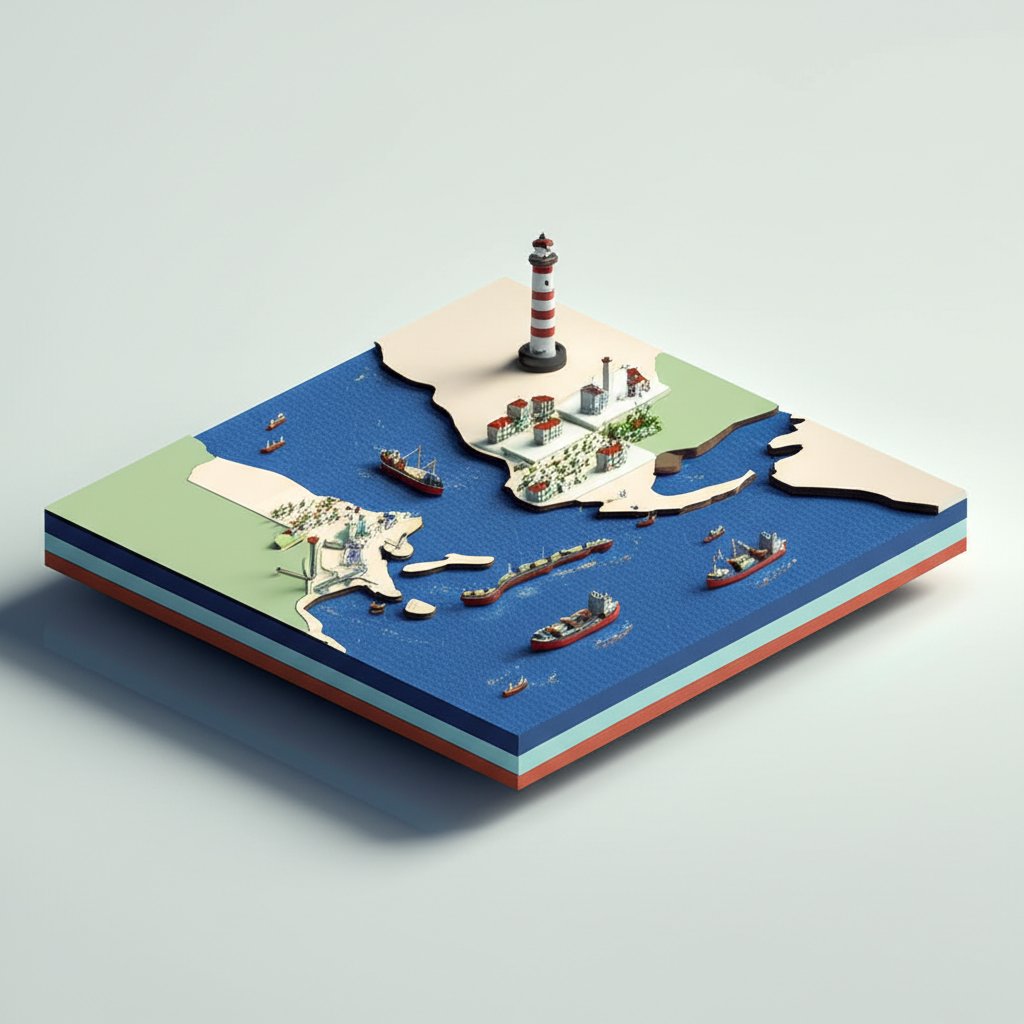
Nestled between Eastern Europe and Western Asia, the Black Sea is a marginal mediterranean sea, connected to the wider ocean system through a series of narrow straits – the Bosporus, the Sea of Marmara, and the Dardanelles, which ultimately lead to the Aegean Sea and the Mediterranean. This crucial connection makes it a semi-enclosed sea, influencing its unique oceanography.
The Black Sea is bordered by six countries, each contributing to its rich cultural mosaic:
Numerous major rivers, including the mighty Danube, Dnieper, and Don, pour their waters into the Black Sea, significantly impacting its salinity and nutrient levels. This constant influx of freshwater, combined with limited outflow, is a key factor in many of the sea’s fascinating characteristics.
The Enigma of its Name: Why “Black Sea”?
The name “Black Sea” immediately conjures images of darkness, and indeed, it’s one of only four seas globally named after a color (alongside the Red, White, and Yellow Seas). But what’s the origin of this intriguing moniker? Several theories attempt to explain this Black Sea fun fact:
- Dark Storms and Deep Waters: One popular theory suggests the name comes from the fierce, dark storms that frequently sweep across its waters, making navigation treacherous. The deep, often cloudy waters can also appear dark.
- Anoxic Chemical Reactions: A more scientific explanation points to the unique chemistry of its deep waters. The high concentration of hydrogen sulfide in the anoxic depths can cause metal objects (like anchors and shipwrecks) to corrode and turn black. Ancient mariners pulling up blackened equipment might have inspired the name.
- Ancient Directional Terms: Some linguists propose that ancient cultures used colors to denote cardinal directions. “Black” might have referred to “north” in some historical contexts, thus meaning “Northern Sea.”
- Hospitable vs. Inhospitable: Early Greek sailors referred to it as “Pontus Axeinus” (Inhospitable Sea) due to its difficult navigation and hostile tribes. Later, with increased trade and colonization, it became “Pontus Euxinus” (Hospitable Sea). Over time, the “black” reference might have re-emerged from local Turkic languages, such as “Kara Deniz” (Black Sea), possibly due to the darker appearance of its waters compared to the clearer Mediterranean.
Regardless of its exact etymology, the name “Black Sea” perfectly encapsulates the enigmatic allure of this captivating body of water.
While the Black Sea’s name origin remains debated, some theories suggest it’s linked to the dark color associated with its depths, a concept explored further when considering facts about the color black.
A Legacy of Ancient Seas
The Black Sea has a dramatic geological past. Approximately 7,500 years ago, it was a much smaller, isolated freshwater lake. That all changed when rising sea levels, likely from melting glaciers, breached the Bosporus Strait, creating a colossal deluge of saltwater from the Mediterranean into the Black Sea basin. This event, often referred to as the “Black Sea Deluge” or “Noah’s Flood theory,” is a subject of fascinating scientific and historical debate. It fundamentally transformed the sea, making it salty and creating the unique stratified layers we observe today. This profound historical transformation makes the Black Sea a living testament to Earth’s dynamic past, home to some of the oldest geological formations in the world.
Dive Deep into Unique Black Sea Facts: A World Apart
The Black Sea’s geology and oceanography are truly unlike any other, offering a wealth of captivating facts that set it apart globally. These unique characteristics shape everything from its marine life to its archaeological potential.
The Meromictic Mystery: Layers That Never Mix
Perhaps the most astonishing of all Black Sea facts is its status as the world’s largest meromictic basin. This scientific term means its water layers do not mix. Unlike most seas and lakes, where currents, winds, and temperature changes cause seasonal mixing, the Black Sea has a permanent stratification due to a significant difference in salinity and density between its upper and lower layers.
- Upper Layer: This oxygenated, less saline layer, fed by freshwater rivers and surface precipitation, extends to about 100-200 meters (330-660 feet) deep. This is where most conventional marine life thrives.
- Lower Layer: Below this lies a dense, highly saline layer, a relic of the Mediterranean seawater influx. This deep water is perpetually stagnant, cut off from the atmosphere and thus from oxygen.
This distinct separation creates a fascinating, albeit challenging, environment.
Anoxic Depths: A Silent, Preserved Realm
The permanent stratification leads directly to another remarkable Black Sea fact: over 90% of its massive volume, below the mixing layer, is anoxic – completely devoid of dissolved oxygen. This makes it largely biologically “dead” for most aerobic organisms.
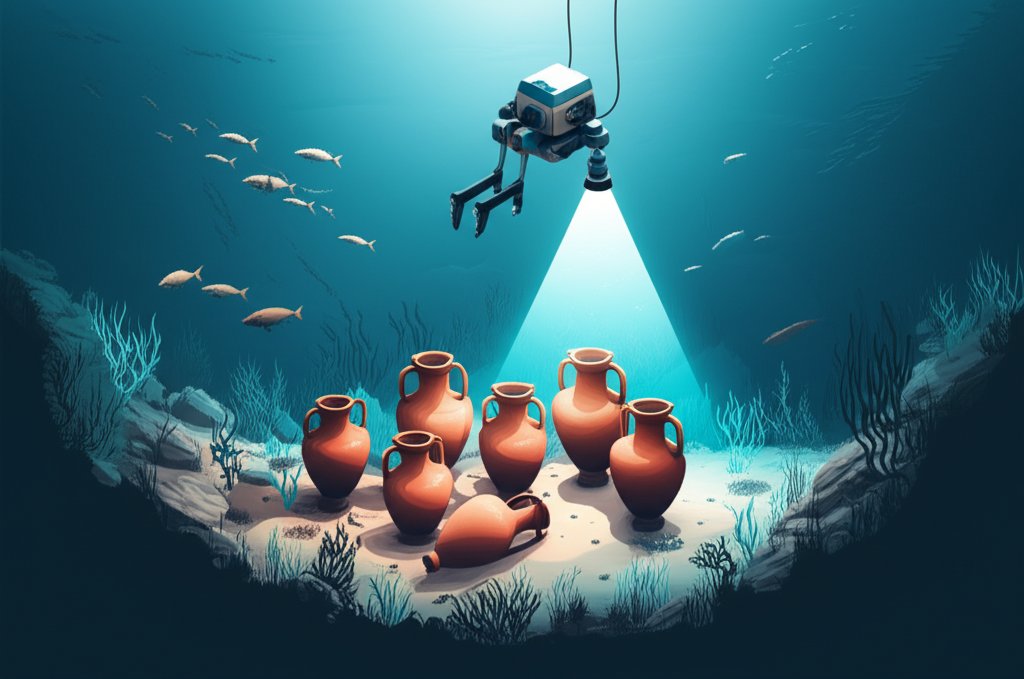
While this lack of oxygen limits complex marine life in the depths, it creates an unparalleled environment for preservation. Wood-boring organisms and bacteria that typically decompose organic matter cannot survive in anoxic conditions. This has led to:
From Freshwater Lake to Salty Sea: The Great Influx
The transition from a freshwater lake to a saltwater sea is one of the most dramatic events in the Black Sea’s history. Around 7,500 years ago, as the last ice age ended and global sea levels rose, the Mediterranean Sea breached the land bridge separating it from the then-freshwater Black Sea basin.
This catastrophic event, detailed by scientists like William Ryan and Walter Pittman, unleashed a torrent of saltwater that transformed the lake into a sea. This massive inflow of denser, saltier water is what created the permanent density stratification observed today, further contributing to the anoxic conditions in the deep. This geological cataclysm has even been linked by some researchers to ancient flood myths, including the biblical story of Noah’s Ark, adding a layer of mythological depth to these scientific Black Sea facts.
Geologically Active: The Rumbles Beneath
The Black Sea lies in a seismically active zone, surrounded by several tectonic plates constantly in motion. This makes it an earthquake hot zone, with tremors and seismic activity shaping its underwater topography. The seabed features dramatic canyons, vast plains, and even mud volcanoes that periodically erupt, releasing methane gas.
Its maximum depth plunges to an astounding 7,257 feet (2,212 meters) in its central basin, making it one of the deepest regional seas in the world. This formidable depth and geological dynamism add an element of raw, untamed power to the Black Sea’s character. The slow recycling time for its deep waters—estimated at a staggering 2,500 years for a complete turnover—further emphasizes its ancient and enduring nature.
Beyond the Depths: Ecosystems and Natural Wonders
While the deep Black Sea holds secrets in its anoxic embrace, its upper layers and surrounding lands teem with life, creating a unique and often challenging ecosystem.
Marine Life: Survivors in a Unique Environment
The Black Sea’s unique conditions mean marine life has adapted to cope with specific challenges, predominantly the lack of oxygen in the vast majority of its volume.
- Surface Dwellers: The upper, oxygenated layer supports a diverse ecosystem. Three species of dolphins (common dolphin, bottlenose dolphin, and harbor porpoise) gracefully navigate these waters. Numerous fish species, including anchovies, sprat, mackerel, and various species of sturgeon and turbot, thrive here, many of which are commercially important.
- Unique Adaptations: Organisms here must tolerate lower salinity compared to the open ocean and a limited habitat range, as descending too far means encountering the anoxic zone.
- Coastal Biodiversity: The coastal areas and estuaries, fed by rivers, support a rich array of birdlife, including pelicans, cormorants, and various migratory species, making it a crucial waypoint for avian migration.
The Danube and Dnieper: Lifelines of the Black Sea
The Black Sea’s health and unique characteristics are intrinsically linked to the major rivers that flow into it. The Danube, Dnieper, and Don rivers collectively discharge an enormous volume of freshwater, nutrients, and sediments into the sea.
- Nutrient Input: This riverine input provides essential nutrients that fuel the food web in the upper layers, supporting abundant plankton blooms that in turn feed fish and other marine life.
- Salinity Gradient: The continuous influx of freshwater is a primary reason for the Black Sea’s lower average salinity compared to the Mediterranean, further contributing to its meromictic nature.
- Environmental Challenges: However, this lifeline also brings challenges. Pollution from agriculture, industry, and urban areas along these rivers can lead to eutrophication (excessive nutrient enrichment), causing harmful algal blooms and exacerbating oxygen depletion in the upper layers.
Islands and Invasive Species: The Comb Jellyfish Challenge
While not known for vast archipelagos, the Black Sea is home to a sprinkling of small islands, each with its own charm and history. Notable examples include Ukraine’s Snake Island (Zmiinyi Island) and Bulgaria’s St. Ivan Island, often home to ancient ruins or protected wildlife.
Among the more recent and dramatic Black Sea facts is the impact of invasive species. In the 1980s, the Atlantic comb jellyfish, Mnemiopsis leidyi, was accidentally introduced, likely via ballast water from cargo ships. With no natural predators in the Black Sea, its population exploded.
- Ecological Devastation: This voracious predator feeds on zooplankton and fish eggs/larvae, causing a catastrophic collapse in vital fish stocks like anchovy, leading to millions of dollars in losses for fishing and tourism industries across the region.
- Natural Recovery: In a fascinating turn of events, another comb jellyfish species, Beroe ovata, which preys specifically on Mnemiopsis leidyi, was later introduced (also likely accidentally). This second invasion helped to control the first, leading to a partial recovery of the Black Sea ecosystem, a testament to nature’s complex and often surprising resilience.
Planning Your Black Sea Travel Adventure: Beyond the Facts
Beyond its scientific intrigue and historical depth, the Black Sea offers incredibly diverse and rewarding experiences for Black Sea travel. From sun-drenched beaches to ancient port cities, this region beckons explorers.
European Shores: Bulgaria, Romania, and the Wider Region
The western and northern coasts of the Black Sea offer a blend of lively resorts and historical treasures.
- Bulgaria: Boasts famous golden sandy beaches like Sunny Beach and Golden Sands, perfect for family holidays and vibrant nightlife. For a dose of history and culture, the ancient town of Nessebar, a UNESCO World Heritage site, offers charming cobblestone streets and Byzantine churches. Varna and Burgas are major port cities with museums and archaeological sites.
- Romania: Mamaia is a popular, upscale resort known for its long sandy beaches and vibrant entertainment. Constanța, Romania’s oldest continuously inhabited city, features Roman ruins, the impressive Constanța Casino, and a lively port.
- Connecting Cultures: While currently impacted by geopolitical events, the wider region traditionally offered access to the historical splendors of Ukraine’s Odessa, a city renowned for its stunning architecture and cultural richness.
These European destinations provide a fantastic entry point for Black Sea travel, blending relaxation with opportunities for cultural immersion.
Turkish Treasures and Georgian Charms
The southern and eastern coasts present a different, equally enchanting facet of the Black Sea.
- Turkey: The Turkish Black Sea coast offers a unique blend of lush green mountains meeting the sea. Cities like Trabzon, with its iconic Sumela Monastery clinging to a cliff face, and Samsun are steeped in history. The region is known for its tea plantations, hazelnut groves, and distinct cuisine. Of course, the Bosporus Strait itself, leading to the majestic city of Istanbul, is a gateway to the entire Black Sea, offering incredible cruises and panoramic views.
- Georgia: On the eastern flank, Georgia presents a stunning coastline framed by the Caucasus Mountains. Batumi, a vibrant city known for its modern architecture, botanical garden, and lively promenade, is a jewel of the Georgian Black Sea. Further north, the coastal town of Anaklia offers a glimpse into a developing resort destination. The region is rich in ancient history, unique cuisine, and warm hospitality, making it a compelling destination for unique Black Sea fun facts and cultural exploration.
Engaging Activities: From Beaches to Historical Sites
A trip to the Black Sea region can be tailored to any interest.
- Beach Bliss: Spend your days lounging on the extensive sandy beaches, swimming in the sea, and enjoying water sports.
- Historical Exploration: Wander through ancient ruins, explore medieval castles, and visit archaeological museums that showcase the region’s rich past, from Greek colonies to Ottoman empires.
- Cultural Immersion: Discover bustling port cities, sample delectable local cuisines (especially fresh seafood and regional specialties), and experience the unique traditions of each bordering nation.
- Nature Adventures: Hike in coastal mountains, explore national parks, or take boat trips to discover hidden coves and observe marine life. Birdwatching is also popular, especially during migration seasons.
Whether you’re a history buff, a nature lover, or simply seeking a relaxing getaway, Black Sea travel promises a journey filled with discovery, adventure, and countless captivating facts waiting to be experienced firsthand.
Conclusion

The Black Sea is a true geological marvel, a body of water that defies conventional expectations and offers a treasure trove of Black Sea fun facts. From its enigmatic name and unique meromictic depths to its dramatic geological past and the fascinating marine life that thrives in its upper layers, every aspect of this sea reveals a story worth telling. We’ve journeyed through the astounding preservation of its anoxic deeps, the historical “Great Flood” theory, the challenges of invasive species, and the vibrant cultures that line its shores.
More than just a geographical feature, the Black Sea is a living, breathing testament to the power of nature and the enduring legacy of human history. Its captivating facts serve as an invitation to explore its multifaceted character, whether through scientific study, archaeological discovery, or the enriching experience of Black Sea travel. So, don’t just read about its wonders—let the charms of the Black Sea enchant you and inspire your own amazing discoveries!
FAQ Section
Q1: What countries border the Black Sea?
A1: The Black Sea is bordered by six countries: Bulgaria, Romania, Ukraine, Russia, Georgia, and Turkey.
Q2: Why is it called the Black Sea?
A2: The exact reason is debated, but theories include: the dark appearance of its waters during storms, chemicals in its deep anoxic waters that blacken metal objects, or ancient directional terms where “black” signified “north.”
Q3: Was the Black Sea always a saltwater sea?
A3: No, the Black Sea was once a much smaller, isolated freshwater lake. Around 7,500 years ago, rising sea levels breached the Bosporus Strait, allowing immense volumes of saltwater from the Mediterranean to flow in, transforming it into a saltwater sea.
Q4: What is a meromictic basin, and why is the Black Sea one?
A4: A meromictic basin is a body of water where layers of water do not mix. The Black Sea is the world’s largest meromictic basin due to its unique formation: a dense, salty deep layer (from the Mediterranean influx) covered by a less dense freshwater surface layer (from rivers and precipitation). This density difference prevents vertical mixing.
Q5: Is there marine life in the Black Sea, given its anoxic depths?
A5: Yes, but primarily in its upper, oxygenated layer (the top 100-200 meters). This surface layer supports dolphins, porpoises, various fish species, and seabirds. The vast majority of its volume below this layer is anoxic and cannot support complex marine life, though some anaerobic bacteria exist.
Q6: What makes the Black Sea unique for archaeology?
A6: The Black Sea’s anoxic (oxygen-free) deep waters act as a natural preservative. Organic materials like wood, textiles, and ropes, which would normally decompose in oxygenated waters, remain remarkably preserved for thousands of years, making it a unique site for discovering ancient shipwrecks and artifacts.
Q7: Can you travel to the Black Sea, and what are popular destinations?
A7: Absolutely! Black Sea travel offers diverse experiences. Popular destinations include: Bulgaria (Sunny Beach, Golden Sands, Nessebar), Romania (Mamaia, Constanța), Turkey (Trabzon, Samsun, and the Bosporus leading to Istanbul), and Georgia (Batumi). These regions offer beaches, historical sites, and unique cultural experiences.
Q8: How deep is the Black Sea?
A8: The Black Sea has a maximum depth of approximately 7,257 feet (2,212 meters).
Q9: What are some of the major rivers that flow into the Black Sea?
A9: The most significant rivers flowing into the Black Sea include the Danube, the Dnieper, and the Don. These rivers contribute substantial amounts of freshwater, nutrients, and sediments.










