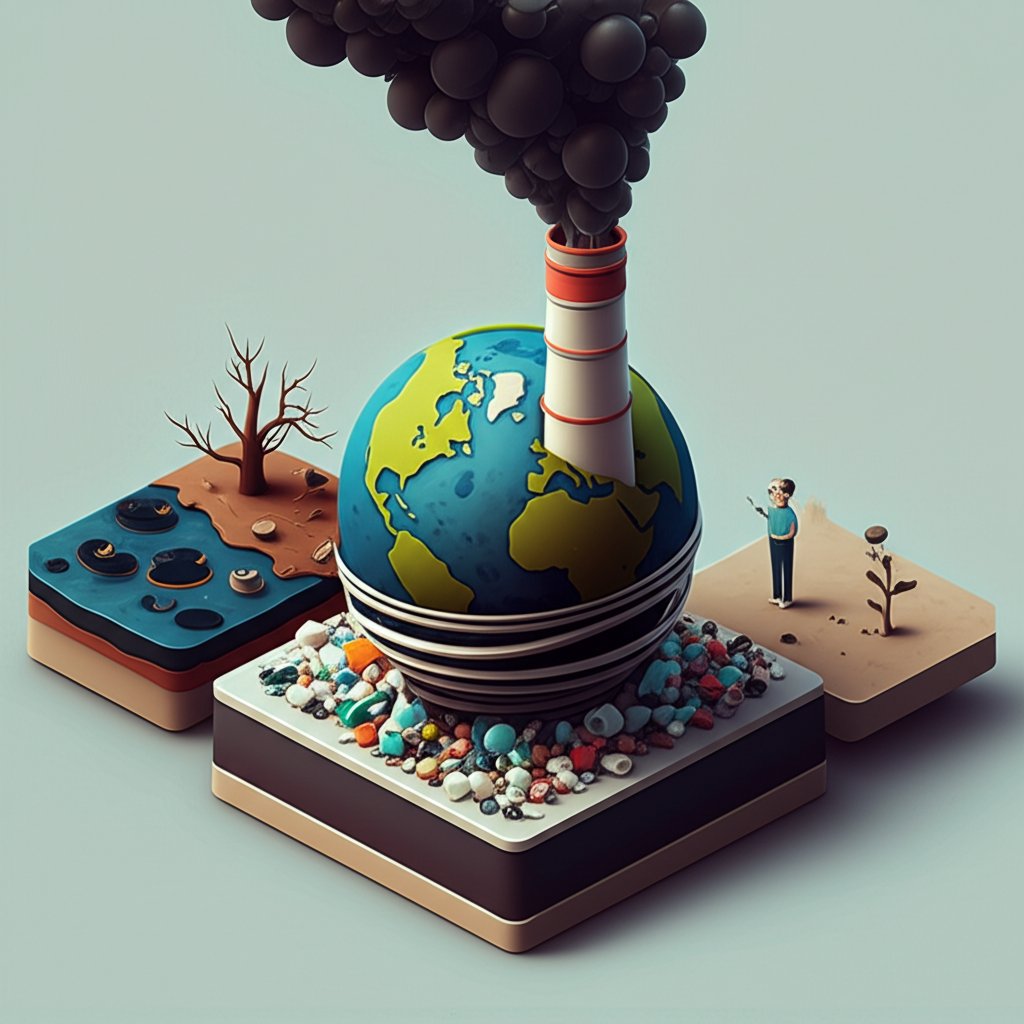
Our planet, a vibrant and intricate network of life, is currently grappling with a severe and escalating array of environmental problems that demand urgent, unified global action. These are not isolated challenges; they are deeply interconnected threats, from the microscopic particles we inhale to the immense ice sheets melting into our seas, fundamentally jeopardizing the health and sustainability of all life. At the core of many of these dilemmas lies the pervasive menace of pollution—a relentless crisis manifesting in our air, water, and soil, relentlessly altering the natural balance.
This comprehensive guide will illuminate 15 of the most pressing global environmental problems, delving into their complex causes, devastating impacts, and the imperative pathways toward a more sustainable future. Understanding these critical environmental issues is the foundational step; collective, decisive action is the non-negotiable imperative that must follow. Our goal is not just to identify the challenges but to empower readers with knowledge, fostering a global commitment to environmental stewardship.
To gain a broader perspective on these dangers, exploring the “10 most important environmental issues” can provide further insights into the challenges that lie ahead.
To gain a broader perspective on these dangers, exploring the “10 most important environmental issues” can provide further insights into the challenges that lie ahead.
Understanding the Global Environmental Crisis: An Interconnected Web
The notion of global environmental problems often conjures images of distant disasters, yet their repercussions are felt in every corner of the world, impacting communities, economies, and ecosystems alike. These challenges are not merely scientific curiosities but represent existential threats that require a holistic understanding and integrated solutions. From rapid urbanization to industrial expansion, human activities have dramatically reshaped Earth’s natural systems, pushing them beyond their capacity for self-repair. Addressing these issues begins with recognizing their scale, the speed of their progression, and their profound interconnectedness.
The Urgency of Environmental Issues
The clock is ticking. Scientific consensus confirms that many environmental problems have reached critical thresholds. Ecosystems are collapsing, resources are dwindling, and the planet’s climate is destabilizing at an unprecedented rate. Ignoring these warnings is no longer an option. The urgency stems from the irreversible nature of many environmental damages, such as species extinction or glacier melt, and the potential for cascading effects that could render large parts of the planet uninhabitable or severely impact human well-being. This era demands a pivot from reactive measures to proactive, preventative strategies.
The Pervasive Threat of Pollution: A Multifaceted Global Crisis

Pollution, in its myriad forms, stands as one of humanity’s most significant and detrimental contributions to environmental problems. It poisons the very elements that sustain us, from the air we breathe to the water we drink and the land that feeds us, making it a central focus in any discussion of global environmental problems.
1. Air Pollution: The Invisible Killer with Visible Consequences
Air pollution, a silent but deadly adversary, is largely a byproduct of industrial activities, vehicle emissions, agricultural practices, and the burning of fossil fuels (coal, oil, natural gas). It releases a hazardous cocktail of gases and particulate matter into our atmosphere. Key pollutants include:
Devastating Impacts: Beyond the immediate threats to human health—such as severe respiratory and cardiovascular diseases, increased rates of cancer, premature deaths, and reduced life expectancy—air pollution also causes widespread environmental damage. It leads to acid rain, which devastates forests, acidifies lakes, damages crops, and corrodes infrastructure. Furthermore, it significantly contributes to global warming by trapping heat in the atmosphere, highlighting the deep interconnections between various environmental issues.
2. Water Pollution: Imperiling Life Below and Above
Clean freshwater is a finite and increasingly threatened resource. It faces relentless contamination from numerous sources:
Critical Consequences: This widespread water pollution devastates aquatic ecosystems, leading to biodiversity loss, impaired growth, and reproductive failure in fish and other species. It renders vast quantities of water unsafe for drinking, agriculture, and recreation, directly impacting human health and food security. Our oceans, in particular, suffer immensely, becoming vast dumping grounds for plastic debris and chemical effluents, creating oxygen-depleted “dead zones” and endangering marine life through entanglement and ingestion.
3. Soil Pollution: Compromising Our Foundation
Healthy soil is the bedrock of terrestrial life, supporting agriculture, filtering water, and hosting diverse microbial ecosystems. However, soil pollution is diminishing its fertility and overall health from:
Profound Effects: This pollution reduces agricultural productivity, posing significant risks to food security. Toxins can enter our food chain through contaminated crops, impacting human and animal health. It also harms crucial microorganisms that maintain soil structure and promote nutrient cycling, leading to long-term ecological damage.
4. Marine and Coastal Pollution: Choking Our Oceans
The continuous growth in solid waste generation, particularly plastic, paired with industrial and agricultural runoff, has led to chronic marine pollution. Millions of tons of plastic enter our oceans annually, forming vast gyres of debris like the Great Pacific Garbage Patch.
Dire Repercussions: Marine pollution causes physical harm to marine life (entanglement, ingestion and internal injury), chemical contamination impacting seafood safety, and widespread disruption of marine ecosystems, including vital coral reefs and mangrove forests. It also facilitates the spread of invasive species via plastic debris, further stressing delicate oceanic balances.
5. Chemical and Toxic Pollution: Silent Contaminants
Beyond the visible forms of pollution, chemical pollution involves a myriad of synthetic compounds, heavy metals, and persistent organic pollutants (POPs) that seep into our environment. Substances like Per- and Polyfluoroalkyl Substances (PFAS, “forever chemicals”), formaldehyde, dioxins, and various industrial chemicals pose long-term, often irreversible, health risks to humans and wildlife.
Long-term Hazards: They contaminate water and soil sources, cause a range of chronic diseases including cancers, birth defects, and neurological disorders, and disrupt hormonal systems in both humans and animals. Managing these elusive and persistent chemical risks is a complex and urgent environmental issue globally.
6. Noise and Light Pollution: Disrupting Natural Rhythms
Often overlooked, noise and light pollution significantly contribute to environmental problems by altering natural sensory landscapes.
Ecological and Health Impacts: Excessive artificial light disrupts the sleep patterns of humans and animals, disorients migratory birds, alters nocturnal ecosystems, and impairs astronomical observation. Chronic noise impacts wildlife behavior, communication, feeding, and reproductive success, leading to stress, habitat avoidance, and reduced population viability. For humans, it leads to sleep disturbances, stress, and higher risks of cardiovascular disease.
Climate Change & Atmospheric Destabilization: An Existential Crisis
The interconnected environmental issues of global warming and climate change represent the most profound and far-reaching challenges of our era. They are fundamentally altering the planet’s systems, with cascading effects on every aspect of life.
7. Climate Change (Global Warming): The Planet’s Rising Fever
Global warming refers to the long-term heating of Earth’s climate system observed since the pre-industrial period (between 1850 and 1900) due to human activities, primarily fossil fuel burning, which increases heat-trapping greenhouse gas levels in Earth’s atmosphere. This rise in average global temperatures is causing more than just warmer days; it’s a systemic disruption.
Systemic Impacts: The relentless rise in global temperature leads to melting polar ice caps and glaciers, contributing to accelerating sea-level rise, threatening coastal communities worldwide. It also increases the frequency and intensity of heatwaves, disrupts oceanic currents and weather patterns, and causes significant shifts in agricultural seasons and crop yields, posing severe food security risks. The Intergovernmental Panel on Climate Change (IPCC) consistently warns of the accelerating pace and severe consequences, underscoring the urgency of addressing this central global environmental problem.
8. Ozone Layer Depletion: Earth’s Vulnerable Shield
Although largely a success story of international cooperation, the depletion of the ozone layer remains an environmental issue of concern. The stratospheric ozone layer acts as Earth’s natural sunscreen, absorbing harmful ultraviolet (UV) radiation from the sun.
Residual Impacts: Despite significant recovery due to the Montreal Protocol, the thinning ozone shield still allows harmful UV radiation to reach Earth’s surface. This increases risks of skin cancer, cataracts, and suppresses immune systems in humans. Ecologically, it harms marine phytoplankton (the base of the ocean food web) and damages crops and terrestrial plant growth. Continued monitoring and vigilance are crucial to ensure its full recovery.
9. Extreme Weather Events & Natural Disasters: A Climate in Chaos
A direct and alarming consequence of global warming and climate change is the increased frequency and intensity of extreme weather events. These events are not merely more severe versions of past phenomena but represent a dangerous destabilization of natural climate cycles.
Immense Damage: These events cause immense environmental damage, massive loss of life, displacement of communities, and significant economic disruption globally. They highlight the urgent need for robust adaptation and resilience strategies, especially for vulnerable populations, as the climate crisis directly exacerbates many existing environmental problems.
Depletion of Natural Resources & Ecosystem Degradation
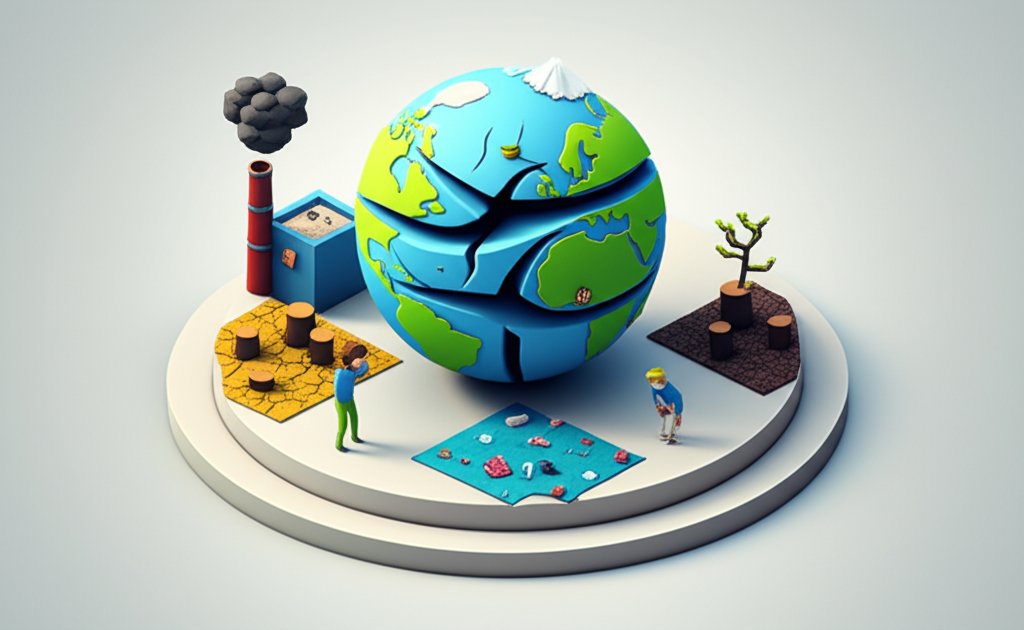
Beyond the direct impacts of pollution and global warming, several other environmental problems stem from the overexploitation of our planet’s finite resources and the relentless degradation of critical ecosystems, undermining the very foundation of sustainability.
10. Deforestation & Habitat Loss: Vanishing Lungs of the Earth
The destruction of forests, particularly old-growth and rainforests like the Amazon, is a major environmental issue. This is driven primarily by:
Catastrophic Consequences: Forests are vital carbon sinks, absorbing massive amounts of CO2, and their destruction releases this stored carbon, accelerating global warming. Deforestation leads to catastrophic biodiversity loss, as countless species lose their habitats. It also causes severe soil erosion, desertification, and disruption of local and regional water cycles, affecting rainfall patterns and water availability. The combined effect significantly weakens the planet’s ability to regulate its own climate and support life.
11. Biodiversity Loss: The Silent Extinction
Biodiversity loss refers to the alarming decline in the variety and abundance of plant and animal species, both locally and globally. It is driven by multiple factors, often exacerbated by human activities:
Ecological Instability: This environmental problem destabilizes ecosystems, diminishing their ability to provide essential services like pollination, water purification, and nutrient cycling. Studies reveal significant declines in wildlife populations globally, indicating a rapidly accelerating extinction crisis with irreversible impacts on ecosystem resilience, potential medicinal compounds, and ultimately, food security and human well-being.
12. Ocean Acidification: Marine Life Under Threat
The absorption of excess carbon dioxide (CO2) from the atmosphere into the oceans causes ocean acidification, reducing seawater pH. This is a direct consequence of increased atmospheric CO2 from human emissions, acting as a “sister problem” to global warming.
Profound Marine Impacts: This environmental issue directly threatens marine organisms, especially those with calcium carbonate shells and skeletons, such as corals, shellfish (oysters, clams), and plankton (e.g., pteropods). It impairs their ability to build and maintain shells, disrupting the delicate balance of marine ecosystems. The consequences include declining fish stocks, damaged coral reefs (which are vital marine habitats), and reduced biodiversity, with severe economic impacts on fisheries and aquaculture that support millions of livelihoods.
13. Soil Degradation & Desertification: Fertile Lands Turning Barren
Soil degradation is a critical environmental problem characterized by the diminishing fertility and overall quality of soil. Its causes are multifaceted and often human-induced:
When soil degradation progresses to an extreme extent, particularly in arid and semi-arid regions, it leads to desertification – the transformation of fertile land into barren, desert-like areas. This process exacerbates food insecurity, displaces communities, and intensifies regional droughts, impacting millions vulnerable to these global environmental problems.
14. Overpopulation & Resource Scarcity: A Growing Strain
The rapid growth of the global human population puts immense and ever-increasing pressure on finite natural resources and the environment. More people mean higher demands across the board:
Systemic Strain: This sustained strain on the planet’s carrying capacity creates a complex web of environmental issues, from widespread water shortages and increased waste generation to pervasive habitat destruction. It underscores the challenge of achieving sustainability when resource consumption continues to outpace the planet’s regenerative capabilities.
15. Waste Disposal & Management Crisis: Drowning in Debris
Improper waste disposal is a burgeoning global environmental problem and a persistent pollution crisis. The sheer volume and complexity of modern waste streams overwhelm existing infrastructure.
Environmental Contamination: The proliferation of non-biodegradable materials highlights the urgent need for robust, integrated waste management systems. Without aggressive initiatives for waste reduction, reuse, recycling, composting, and proper treatment, our planet faces overwhelming contamination of its lands, waters, and air, leading to ecosystem degradation and threats to human health.
Pathways to a Sustainable Future: Solutions and Collective Action
Addressing these 15 urgent global environmental problems requires a paradigm shift towards genuine sustainability – meeting the needs of the present without compromising the ability of future generations to meet their own needs. This demands a holistic approach, integrating environmental protection with social equity and economic viability.
Embracing Renewable Energy and Green Technologies
Transitioning away from fossil fuels to renewable energy sources like solar, wind, hydro, and geothermal power is paramount to combating global warming and drastically reducing air pollution. This involves:
Sustainable Agriculture and Land Management
Implementing sustainable agricultural practices can combat soil degradation, reduce chemical pollution, and protect biodiversity. Key strategies include:
Conservation and Biodiversity Protection
Protecting and restoring natural habitats is essential to halt the silent extinction. This requires:
Waste Reduction, Recycling, and Circular Economy
Moving towards a circular economy model – where products are designed for durability, reuse, and recycling – can drastically reduce waste generation and pollution. Critical actions include:
Policy, Education, and Global Collaboration
Effective environmental governance, strong international agreements, and robust national policies are necessary to drive systemic change.
Conclusion: A Call for Urgent Action on Environmental Issues
The 15 critical global environmental problems outlined here – from the pervasive pollution crisis choking our planet to the existential threats of global warming and biodiversity loss – present an undeniable and urgent call to action. These interconnected environmental issues are not abstract future concerns; they are profoundly impacting lives, ecosystems, and economies right now, escalating daily.
Achieving true sustainability requires a fundamental and rapid shift in how we live, produce, and consume. It demands innovative scientific and technological solutions, unwavering political will from leaders, and the collective commitment of individuals, communities, governments, and industries worldwide. The future of our planet, and indeed humanity itself, hinges on our ability to respond decisively, equitably, and collaboratively to these pressing challenges. The window for effective action is rapidly closing. The time for transformative change is now.
FAQ
Q1: What are the primary drivers of global environmental problems?
A1: The primary drivers of global environmental problems include rapid population growth, unsustainable patterns of consumption and production, industrialization, widespread reliance on fossil fuels, deforestation, and inadequate waste management. These human activities collectively exert immense pressure on natural systems, leading to a multitude of environmental issues.
Q2: How does pollution contribute to climate change?
A2: Pollution significantly contributes to climate change through the emission of greenhouse gases (GHGs) like carbon dioxide, methane, and nitrous oxide from burning fossil fuels and industrial processes. Air pollutants such as black carbon (soot) also accelerate warming by absorbing sunlight and reducing the reflectivity of ice and snow. This makes pollution a critical component of the broader global warming crisis.
Q3: What is biodiversity loss and why is it a critical environmental issue?
A3: Biodiversity loss refers to the alarming decline in the variety of life on Earth, from genes to ecosystems. It is a critical environmental issue because it destabilizes ecosystems, reduces their resilience, and impairs their ability to provide essential services like clean water, pollination for crops, and climate regulation. This loss is often irreversible and can trigger cascading effects throughout the natural world.
Q4: What does “sustainability” truly mean in the context of environmental issues?
A4: In the context of environmental issues, “sustainability” refers to the principle of meeting the needs of the present generation without compromising the ability of future generations to meet their own needs. It involves balancing environmental protection, social equity, and economic viability to ensure long-term well-being for all. It means living within the planet’s ecological limits and managing resources responsibly and equitably.
Q5: What are microplastics and why are they considered a major pollution concern?
A5: Microplastics are tiny plastic particles, less than 5 millimeters in length, that result from the breakdown of larger plastic debris or are manufactured for specific uses (e.g., in cosmetics). They are a major pollution concern because they are pervasive in all environments (oceans, soil, air), ingested by wildlife, and can enter the human food chain, carrying potential toxins. Their small size makes them incredibly difficult to remove and their long-term environmental and health impacts are still being studied.
Q6: How are deforestation and soil degradation interconnected?
A6: Deforestation and soil degradation are deeply interconnected environmental problems. When forests are cleared, the protective canopy and root systems that hold soil in place are removed. This exposes the soil to wind and rain, leading to increased erosion, loss of fertile topsoil, and reduced organic matter. This process can quickly lead to widespread soil degradation and, in vulnerable areas, to desertification, further exacerbating global environmental problems like climate change.
Q7: What role do individual actions play in addressing global environmental problems?
A7: Individual actions, while seemingly small, collectively contribute significantly to addressing global environmental problems. Choices related to energy consumption (e.g., using renewable energy, reducing electricity use), transportation (e.g., walking, cycling, public transport), diet (e.g., plant-based), waste reduction (e.g., recycling, composting, conscious consumption), and advocacy for sustainable policies are crucial. These actions create demand for sustainable products and policies, fostering broader systemic change and promoting sustainability.
Q8: Why is freshwater scarcity becoming a more critical global environmental issue?
A8: Freshwater scarcity is becoming a more critical global environmental issue due to a combination of factors: increasing population demand, agricultural over-extraction, pollution of existing water sources, and altered precipitation patterns caused by climate change. Many regions are experiencing prolonged droughts, while groundwater reserves are being depleted faster than they can replenish, threatening food security, public health, and economic stability.










