In the vast, dynamic landscape of global industry, few names resonate with the same enduring power and prestige as Toyota. Far more than just a brand synonymous with reliable vehicles, this automotive giant has profoundly influenced global manufacturing, championed transformative technologies, and continuously reshapes our understanding of corporate responsibility and innovation. For nearly a century, Toyota has stood as a beacon of quality and ingenuity, captivating car enthusiasts and casual drivers alike.
Are you ready to peel back the layers and uncover the fascinating journey of this industrial titan? Prepare to have your perceptions broadened as we delve into 10 Facts About Toyota that illuminate its profound impact, its captivating Toyota History, and its visionary ventures. Whether you’re a loyal Toyota owner, a keen automotive industry observer, or simply curious about the companies that shape our world, these insights will leave you amazed. Let’s buckle up and explore the incredible narrative of one of the planet’s most iconic corporations.
To gain a deeper understanding of the company’s monumental influence, exploring key facts about Toyota reveals just how far they’ve come from their humble beginnings.
From Humble Looms to an Automotive Empire: Toyota’s Remarkable Origins
The extraordinary odyssey of Toyota didn’t begin with the roar of an engine but with the quiet hum of a revolutionary invention that transformed another industry entirely. Understanding its foundational Toyota History is crucial to grasping its enduring philosophy.
Fact 1: Sakichi Toyoda’s Weaving Machine Revolution – The Seed of Innovation
The deep roots of Toyota stretch back to the late 19th century and the ingenuity of Sakichi Toyoda, often celebrated as Japan’s “King of Inventors.” In 1890, Sakichi unveiled Japan’s first power loom, a groundbreaking invention that dramatically boosted textile production efficiency. His subsequent company, Toyoda Automatic Loom Works, quickly ascended to become a global leader in the textile machinery industry. This early success wasn’t just about machinery; it embedded a deep-seated culture of innovation, problem-solving, and continuous improvement (Kaizen) that would later become synonymous with the Toyota name. It was this pioneering spirit in one sector that laid the financial and philosophical groundwork for a revolution in another.
Fact 2: Kiichiro Toyoda’s Visionary Automotive Leap – Birth of a New Industry
While Sakichi mastered looms, it was his son, Kiichiro Toyoda, who harbored a fervent fascination with automobiles. After extensive travels through Europe and the United States in the 1920s, witnessing the burgeoning automotive industry firsthand, Kiichiro became convinced of its immense future potential. Despite the economic challenges of the Great Depression, he passionately advocated for venturing into car manufacturing. In 1933, with his father’s blessing and initial capital derived from the patent sales of Sakichi’s automatic loom to a British company, Toyoda Automatic Loom Works established a dedicated automotive division. This pivotal decision marked the true beginning of Toyota’s journey into the world of vehicles, a bold move that would forever alter its destiny.
Fact 3: The Auspicious Name Change – From “Toyoda” to “Toyota”
One of the most intriguing Facts About Toyota is its seemingly minor, yet strategically significant, name change. Originally, the family name and the nascent automotive division were called “Toyoda.” However, in 1937, upon the official establishment of the Toyota Motor Corporation as a spin-off, the name was changed. This was no arbitrary decision. In Japanese Katakana, writing “Toyota” (トヨタ) requires exactly eight brush strokes, a number considered highly auspicious in Japanese culture, symbolizing prosperity and growth. Furthermore, “Toyota” has a clearer and more open sound than “Toyoda” (豊田). This subtle rebranding served to symbolically separate the company’s business name from the founder’s family name, allowing the automotive brand to forge its own independent identity and destiny, embracing fortune and a distinct corporate persona.
Engineering Excellence: The Core of Toyota’s Global Dominance
The unwavering commitment to quality, efficiency, and continuous improvement isn’t merely a slogan for Toyota; it’s a deeply ingrained philosophy that has reshaped modern manufacturing and solidified its position as an automotive giant.
Fact 4: The Revolutionary Toyota Production System (TPS) – Blueprint for Lean Manufacturing
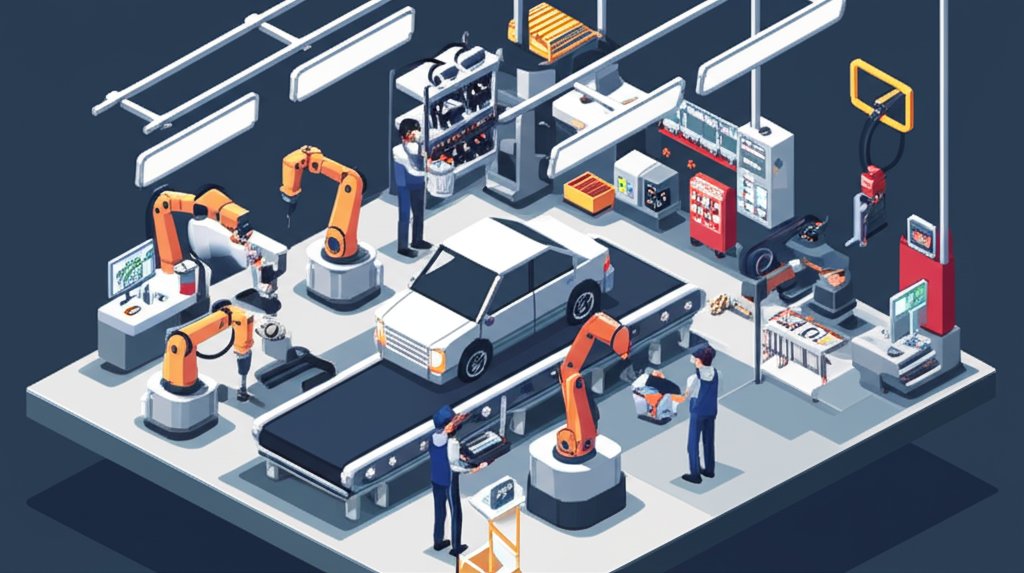
Perhaps Toyota’s most profound contribution to global industry, extending far beyond its vehicles, is the Toyota Production System (TPS). Developed by Taiichi Ohno and Eiji Toyoda in the post-war era, TPS is a groundbreaking socio-technical system for organizing manufacturing and logistics. Its primary goal is to optimize efficiency by systematically eliminating waste (“muda”). This system, which later spawned the global “Lean Manufacturing” movement, is built upon two core pillars:
- “Just-in-Time” (JIT): Producing only what is needed, when it is needed, and in precisely the amount needed, minimizing inventory and associated costs.
- “Jidoka”: Often translated as “automation with a human touch,” meaning equipment stops automatically when a problem occurs, immediately highlighting the cause and preventing defects from passing down the line.
TPS also heavily emphasizes Kaizen, or continuous improvement, empowering every employee – from the factory floor to leadership – to identify and solve problems. This holistic approach fosters problem-solving at the source, ensures ongoing refinement, and cultivates a culture of respect for people. The impact of TPS is staggering, influencing everything from healthcare to software development, cementing Toyota’s legacy as an unparalleled innovator in operational excellence within the automotive sector and beyond.
Fact 5: Unrivaled Quality and Reliability – The Foundational Promise
Toyota vehicles are globally celebrated for their exceptional quality, durability, and reliability. This sterling reputation is not a matter of chance; it’s a direct consequence of the TPS philosophy and an unyielding dedication to engineering excellence. The company’s commitment to “Genchi Genbutsu” – “go and see for yourself” – ensures that problems are meticulously analyzed at their source, leading to robust and lasting solutions.
This commitment translates into tangible, long-term benefits for consumers worldwide. Facts About Toyota consistently highlight its leading position in resale value across a diverse range of models. For example, the Toyota Corolla has legendary status as one of the world’s best-selling cars, with units sold every few seconds globally, largely due to its remarkable longevity and minimal maintenance requirements. This relentless pursuit of building vehicles that last, combined with a meticulous approach to quality control and continuous improvement, has firmly embedded Toyota’s reputation as a brand motorists can trust for years, often for decades, offering unmatched peace of mind in the automotive market.
A Global Powerhouse: Scale, Influence, and Economic Impact

Toyota’s reach extends far beyond Japan, establishing it as a dominant force in both manufacturing and global economics, unequivocally earning its title as an automotive giant.
Fact 6: The World’s Foremost Automotive Giant – A Decade of Leadership
For many years, Toyota has consistently vied for and frequently claimed the title of the world’s largest car manufacturer by production volume. Consistently producing over 10 million vehicles annually, Toyota’s scale of operation is truly staggering. This includes its diverse portfolio of brands such as Lexus (luxury vehicles), Daihatsu (compact cars), and Hino (trucks and buses), all contributing to its colossal global output.
This unprecedented scale is a testament to Toyota’s highly efficient production systems, its diverse product lineup catering to a vast array of global markets, and its remarkable ability to adapt to changing consumer demands and geopolitical landscapes. Maintaining such leadership requires immense logistical prowess, continuous technological innovation, and a deep understanding of consumer needs across vastly different cultures and economies. Toyota’s consistent top-tier ranking among automotive producers underscores its unparalleled influence on the entire global automotive industry.
Fact 7: Driving Global Economies – Toyota’s Massive Investments & Job Creation
Toyota’s economic footprint is far more substantial than just vehicle sales. As a colossal automotive giant, it functions as a major economic engine, stimulating growth, fostering innovation, and generating vast employment opportunities across continents. In the United States alone, Toyota has invested tens of billions of dollars and actively supports hundreds of thousands of jobs through its extensive network of manufacturing plants, cutting-edge research and development centers, parts distributors, and over 1,500 dealerships.
Globally, this impact is multiplied exponentially, with operations spanning dozens of countries, creating direct and indirect employment for millions of individuals. Toyota’s commitment to localized production strategies means it contributes significantly to the economies of the regions where it operates, fostering local supply chains, driving skill development, and actively engaging with communities. This profound and far-reaching economic influence solidifies Toyota’s role as a critical player in global trade and development, transcending the scope of a mere vehicle producer.
Pioneering Tomorrow: Innovation and Sustainable Mobility
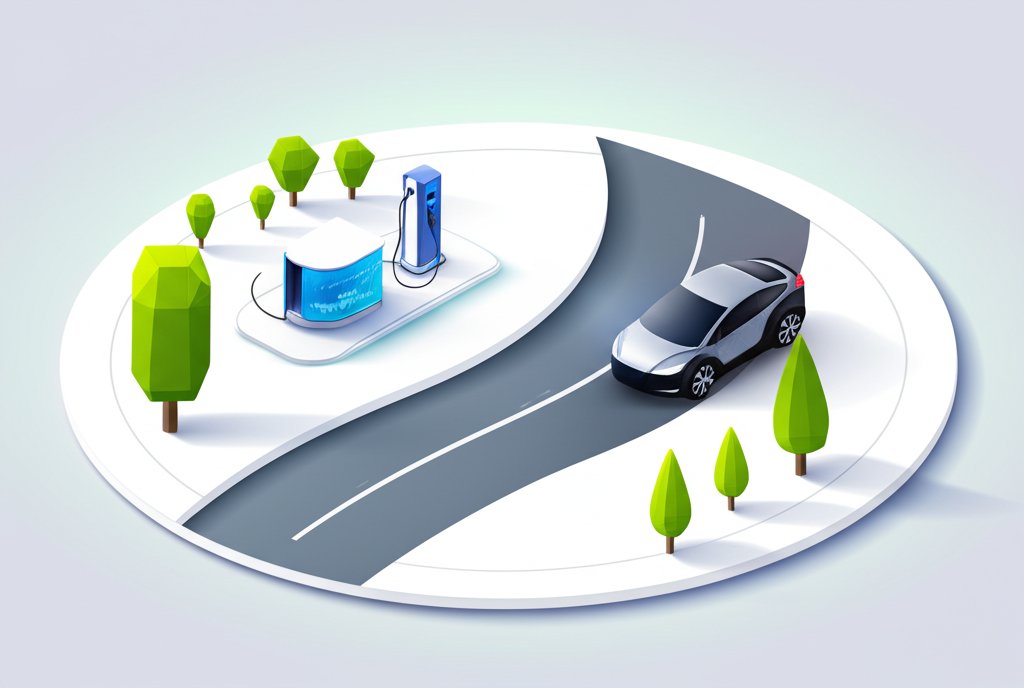
Toyota hasn’t just mastered the present; it has consistently looked to the future, leading the charge in sustainable transportation and cutting-edge automotive technologies.
Fact 8: The Hybrid Revolution Catalyst – The Prius Legacy
When one thinks of hybrid vehicles, the Toyota Prius immediately springs to mind – and for good reason. In 1997, Toyota made a groundbreaking move by launching the Prius, the world’s first mass-produced hybrid electric vehicle. This audacious decision, made at a time when gasoline prices were relatively low and environmental concerns were less mainstream, showcased Toyota’s remarkable forward-thinking vision. The Prius quickly became a global sensation, proving conclusively that fuel-efficient, environmentally conscious cars could be both practical and immensely popular.
This pioneering effort firmly established Toyota as an undisputed leader in green automotive technology, inspiring countless other car manufacturers to follow suit. Today, Toyota offers an expansive range of hybrid models across its entire lineup, from compact sedans to versatile SUVs, cementing its unwavering commitment to reducing carbon emissions and providing diverse sustainable mobility solutions. It’s truly one of the most transformative Facts About Toyota, demonstrating how one company can fundamentally shift the direction of an entire industry.
Fact 9: Betting on a Hydrogen Future – Beyond EVs with Fuel Cells
While Toyota is a dominant force in hybrids and is rapidly expanding its battery electric vehicle (BEV) offerings, its commitment to a diversified sustainable future extends far beyond traditional electric solutions. Toyota stands as a leading proponent and developer of hydrogen fuel cell electric vehicles (FCEVs). The Toyota Mirai, introduced in 2014, was one of the world’s first commercially available FCEVs, notable for emitting only water vapor from its tailpipe, making it truly zero-emission at the point of use.
Toyota views hydrogen as a crucial, versatile energy carrier for achieving a carbon-neutral society, not only for passenger vehicles but also for heavy-duty trucks, buses, forklifts, and even stationary power generation. This proactive and substantial investment in a complex and cutting-edge technology highlights Toyota’s long-term vision and its willingness to explore multiple, parallel pathways for future automotive and energy solutions, rather than solely focusing its innovation efforts on a single technology.
Beyond the Dashboard: Toyota’s Visionary Ventures and Diversification
The Toyota name might primarily conjure images of cars and trucks, but the company’s aspirations and operations span a much broader, and often surprising, spectrum, showcasing the true breadth of this automotive giant’s influence.
Fact 10: Building Future Cities – The Toyota Woven City Project
One of the most audacious and truly mind-blowing Facts About Toyota is its ambitious plan to construct an experimental, fully connected prototype city at the base of Mount Fuji in Japan: the Woven City. Announced at CES 2020, this “living laboratory” is meticulously designed to test and develop future technologies such as autonomous driving, advanced robotics, personal mobility devices, smart home systems, and artificial intelligence in a real-world, integrated environment.
Conceived by Toyota as a fully sustainable city powered by hydrogen fuel cells and solar energy, Woven City will eventually be home to Toyota employees, researchers, and their families. This visionary project profoundly underscores Toyota’s evolution from a traditional car manufacturer to a holistic mobility and technology company. It aims to solve broader societal challenges related to urban congestion, energy consumption, and overall quality of life through integrated technological solutions. It’s an unprecedented move that positions Toyota at the forefront of urban development and the future of living, far beyond the confines of the automotive sector.
Conclusion
From its humble beginnings in weaving looms to its current towering status as a global automotive giant, Toyota’s journey is a compelling testament to relentless innovation, an unshakeable commitment to quality, and a profound, forward-looking vision. These 10 Facts About Toyota unveil a company that not only engineers some of the world’s most reliable vehicles but also pioneers revolutionary manufacturing systems, champions environmental sustainability, drives significant economic growth, and even dares to imagine and build the smart cities of tomorrow.
As one of the world’s leading car manufacturers, Toyota continues to exert a powerful influence on the automotive industry and numerous other sectors. Its rich Toyota History, coupled with its unwavering pursuit of excellence and groundbreaking technologies, firmly secures its position at the forefront of global innovation. The story of Toyota is not just about cars; it’s about a deeply ingrained philosophy of continuous improvement, a dedication to shaping a better future, and an enduring commitment to making a positive impact on the world.
FAQ Section
What are the origins of Toyota?
Toyota originated from Toyoda Automatic Loom Works, founded by Sakichi Toyoda, who invented advanced textile looms. His son, Kiichiro Toyoda, established the Toyota Motor Corporation as a dedicated spin-off in 1937 to pursue automobile manufacturing. This rich Toyota History began with a focus on mechanical innovation and diversification.
Why did Toyota change its name from Toyoda?
The name was strategically changed from “Toyoda” to “Toyota” in 1937 upon the company’s formal establishment. This was partly for practical reasons, as “Toyota” (トヨタ) is considered to have a clearer, more open sound, and also for symbolic luck. The Katakana characters for “Toyota” are written with exactly eight brush strokes, a number considered highly auspicious in Japanese culture for prosperity and growth. This is one of the foundational Facts About Toyota.
What is the Toyota Production System (TPS) and why is it significant?
The Toyota Production System (TPS) is Toyota’s unique and revolutionary approach to manufacturing and logistics, focused on minimizing waste and maximizing efficiency. It emphasizes “Just-in-Time” production (producing only what’s needed), “Jidoka” (automation with a human touch that stops production for defects), and “Kaizen” (continuous improvement), empowering employees to actively solve problems. TPS has profoundly influenced global industries far beyond automotive, birthing the “Lean Manufacturing” movement.
Is Toyota the largest car manufacturer in the world?
Toyota consistently ranks as one of the largest, and often the largest, car manufacturer in the world by production volume for many years, producing well over 10 million vehicles annually across its various brands (including Lexus, Daihatsu, and Hino). This consistent leadership reinforces its status as an automotive giant.
How has Toyota contributed to green automotive technology?
Toyota made a groundbreaking contribution by launching the Prius in 1997, the world’s first mass-produced hybrid electric vehicle. This established Toyota as an early leader in sustainable automotive technology and profoundly influenced the industry’s shift towards more environmentally friendly vehicles. The company continues to invest heavily in hybrids, battery electric vehicles (BEVs), and advanced hydrogen fuel cell technology.
What is Toyota’s Woven City project?
The Woven City is a visionary prototype smart city that Toyota is building at the base of Mount Fuji in Japan. It’s intended to be a “living laboratory” where researchers can test and develop future technologies such as autonomous driving, robotics, personal mobility, and smart home systems in a real-world, sustainable environment powered by hydrogen fuel cells and solar energy. This project showcases Toyota’s commitment to shaping future living and mobility, highlighting surprising Facts About Toyota that extend beyond car production.
What other industries is the broader Toyota Group involved in besides cars?
Beyond its well-known automotive ventures, the broader Toyota Group is a highly diversified conglomerate. It manufactures industrial equipment like forklifts (via Toyota Industries), offers comprehensive financial services (Toyota Financial Services), builds prefabricated homes (Toyota Home), and actively researches and develops cutting-edge robotics, artificial intelligence, and advanced mobility solutions. These Facts About Toyota highlight its broad industrial and technological reach.










