Discover Earth’s Grand Tapestry: Unveiling Compelling Facts About Biomes

Imagine a world painted with every shade of green, sculpted by icy winds, or shimmering under a scorching sun. Our planet is a marvel of diverse environments, each supporting a unique community of life. These magnificent regions are called biomes – vast ecological areas characterized by their climate, vegetation, and the animals that call them home. Understanding facts about biome is key to appreciating our planet’s intricate web of life.
From towering rainforests buzzing with unseen creatures to icy tundras where life clings to the permafrost, biomes are Earth’s largest ecosystems. They aren’t just pretty pictures; they are fundamental to planetary health, influencing global climate, water cycles, and the very air we breathe. Get ready to embark on a captivating journey as we uncover some truly fun facts about biomes that will deepen your appreciation for these extraordinary natural wonders. We’ll explore not just what they are, but why they are so incredibly important and full of interesting facts about biomes that will leave you amazed.
What Exactly Are Biomes? Understanding Earth’s Grand Ecosystems
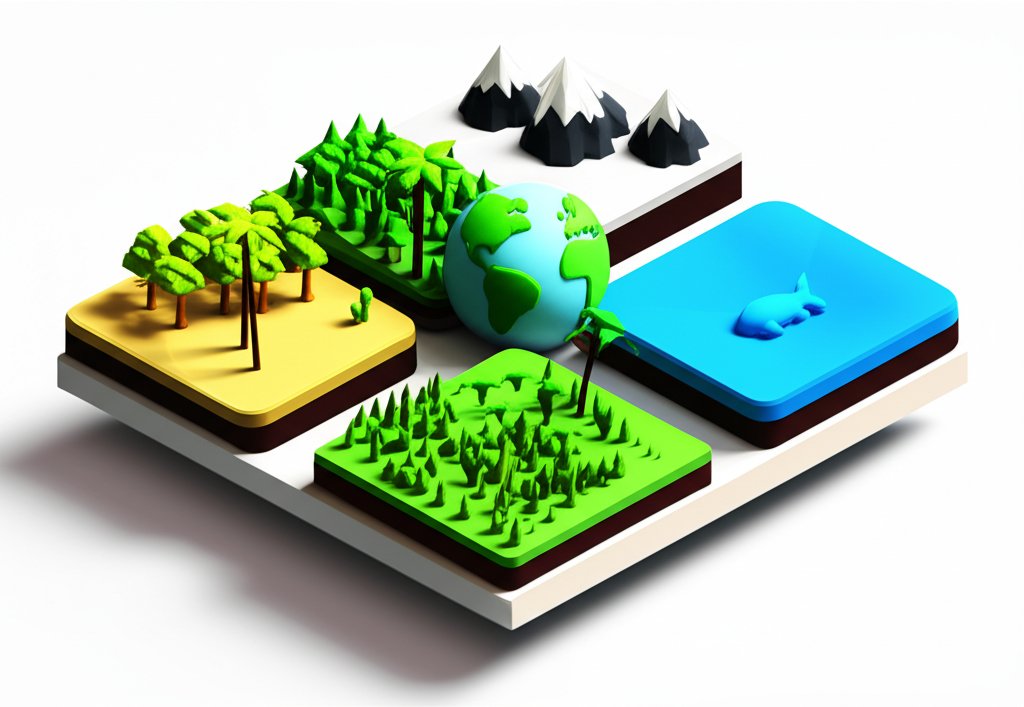
Before we dive into the specifics, let’s clarify what a biome truly represents. It’s more than just a habitat or an ecosystem; it’s a monumental ecological region defined by its overarching climate patterns, latitude, and common plant and animal species that have adapted to those conditions. Each biome plays a crucial role in the Earth’s overall ecosystem, boasting unique biomes facts that highlight their individuality.
Defining Biomes: More Than Just Habitats
While often confused, a biome is a much larger classification than a habitat or an ecosystem. A habitat is a specific place where an organism lives, and an ecosystem includes all living organisms (biotic factors) and non-living components (abiotic factors like soil, water, sunlight) interacting within a defined area. A biome, on the other hand, groups together multiple ecosystems that share similar climate characteristics – primarily precipitation and temperature – leading to similar types of vegetation and animals, even if they are geographically separate. These defining climatic conditions are why learning facts about biome classifications often starts with understanding global weather patterns.
While biomes encompass vast regions with distinct characteristics, ecosystems are smaller and more localized, and learning about the savanna biome can illustrate the intricate relationships within a specific environment.
The Major Types: A Global Snapshot
While scientists sometimes disagree on the exact number, biomes are generally categorized into two main groups: terrestrial (land-based) and aquatic (water-based). Within these, the most widely recognized major biomes include:










